
Beautiful Plants For Your Interior
Beautiful Plants For Your Interior
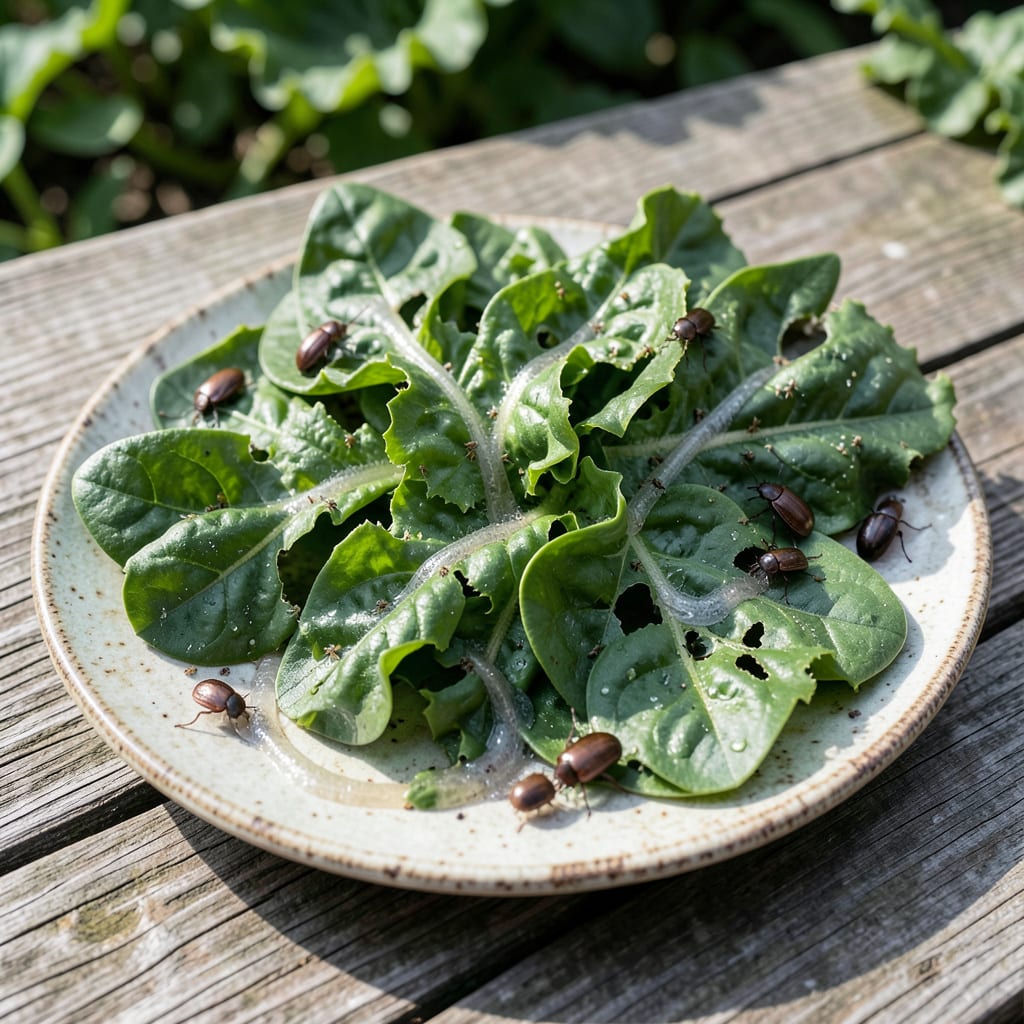
Waking up to ragged holes in your vegetable leaves feels like a personal betrayal. I’ve stood in my garden, coffee in hand, staring at the damage and wondering which culprit spent the night feasting on my hard work.
Here’s the thing—it’s rarely one obvious villain. Slugs leave silvery trails, beetles create jagged edges, and caterpillars roll leaves like tiny burritos. Each pest has a signature, and learning to read these signs is half the battle.
The good news? Most damage is fixable with quick action. A simple inspection at dawn or dusk often catches the offenders red-handed, and natural solutions can restore your garden’s health without harsh chemicals.
By the end of today, you’ll know exactly what to look for and how to stop it. No more mystery munching.
Understanding why your vegetable leaves are being devoured starts with identifying the culprits behind the damage. Here’s a breakdown of the most common causes, explained scientifically and with actionable insights.
Insects are the primary offenders when it comes to munching on vegetable leaves. Caterpillars (larvae of moths and butterflies) and beetles (like Japanese beetles or flea beetles) are frequent offenders. These pests chew through leaves, often leaving jagged edges or holes. Lepidoptera larvae, for example, have strong mandibles designed to consume large amounts of foliage quickly. To confirm, inspect the undersides of leaves for eggs or larvae, and look for frass (insect droppings).
Tiny but mighty, spider mites and aphids suck the sap from leaves, causing stippling, discoloration, or curling. Spider mites (Tetranychus urticae) thrive in hot, dry conditions and spin fine webs on the undersides of leaves. Aphids, on the other hand, excrete a sticky substance called honeydew, which can lead to sooty mold growth. Check for webbing or clusters of small, green, or black insects to identify these pests.
These slow-moving mollusks are nocturnal feeders, leaving behind irregular, ragged holes in leaves and a telltale slime trail. They prefer damp, shaded environments and are especially active after rain. Slugs and snails use a ribbon-like tongue called a radula to scrape away leaf tissue, often targeting young, tender plants. Look for silvery trails on leaves or soil to confirm their presence.
Deer, rabbits, and even squirrels can decimate vegetable gardens, especially in rural or suburban areas. Unlike insects, these animals leave clean-cut edges on leaves or entirely strip plants. Deer, for instance, have no upper incisors, so they tear leaves rather than chewing cleanly. Rabbit damage often appears as neat, angled cuts. Installing fences or using repellents can deter these larger pests.
While not “eating” in the traditional sense, some pathogens cause leaf damage that mimics pest activity. Fungal diseases like powdery mildew or bacterial leaf spot create spots, lesions, or discoloration. These issues often arise from poor air circulation or excess moisture. Unlike pest damage, fungal or bacterial problems won’t show signs of chewing but may cause leaves to yellow, wilt, or develop unusual patterns.
Once you’ve identified the culprit behind your chewed-up veggies, it’s time to take action. Below are targeted fixes for the most common leaf-munching pests, along with simple prevention tips to keep them from coming back.
Create a physical barrier using copper tape around garden beds—slugs and snails dislike the electric charge it produces. For a quick fix, set out beer traps (shallow dishes filled with beer) at soil level; they’ll crawl in and drown. Prevention tip: 💡 Water your garden in the morning so surfaces are dry by nightfall, making it harder for these pests to travel.
For small infestations, handpick beetles off plants in the early morning when they’re sluggish, then drop them into soapy water. For larger outbreaks, apply neem oil (mix 2 tbsp oil + 1 tsp dish soap per gallon of water) to leaves, focusing on the undersides. Prevention tip: 🌡️ Use floating row covers to block adult beetles from laying eggs on your plants.
Blast mites off leaves with a strong jet of water from a hose, focusing on the undersides. Repeat every 2–3 days until they’re gone. For severe cases, introduce beneficial predators like ladybugs or lacewings. Prevention tip: ✨ Keep plants well-watered, as mites thrive in dry, dusty conditions.
Use Bt, a natural bacterial spray that targets caterpillars without harming other insects or plants. Apply it to leaves in the evening, as Bt breaks down in sunlight. Prevention tip: 🎯 Encourage birds and parasitic wasps by planting native flowers nearby—they’ll help keep caterpillar populations in check.
Install 8-foot-tall fencing for deer or chicken wire (buried 6 inches deep) for rabbits. For a temporary fix, spray commercial repellents (or a homemade mix of rotten eggs and water) around the garden perimeter. Prevention tip: 🔥 Interplant with deer-resistant herbs like rosemary or lavender to deter browsing.
Insects leave jagged edges or holes, while animals like deer create clean cuts. Look for slime trails (slugs) or tiny webs (mites) to confirm insect activity.
Handpick beetles in the morning or use neem oil for mites. For slugs, set up beer traps or copper barriers. These methods are pet- and kid-safe.
Nocturnal pests like slugs and snails feed after dark. Check for silvery trails on soil or leaves. Set traps or inspect with a flashlight to catch them.
Yes! Use floating row covers for plants and interplant with pest-deterring herbs like rosemary. Morning watering also discourages slugs.
