
Beautiful Plants For Your Interior
Beautiful Plants For Your Interior
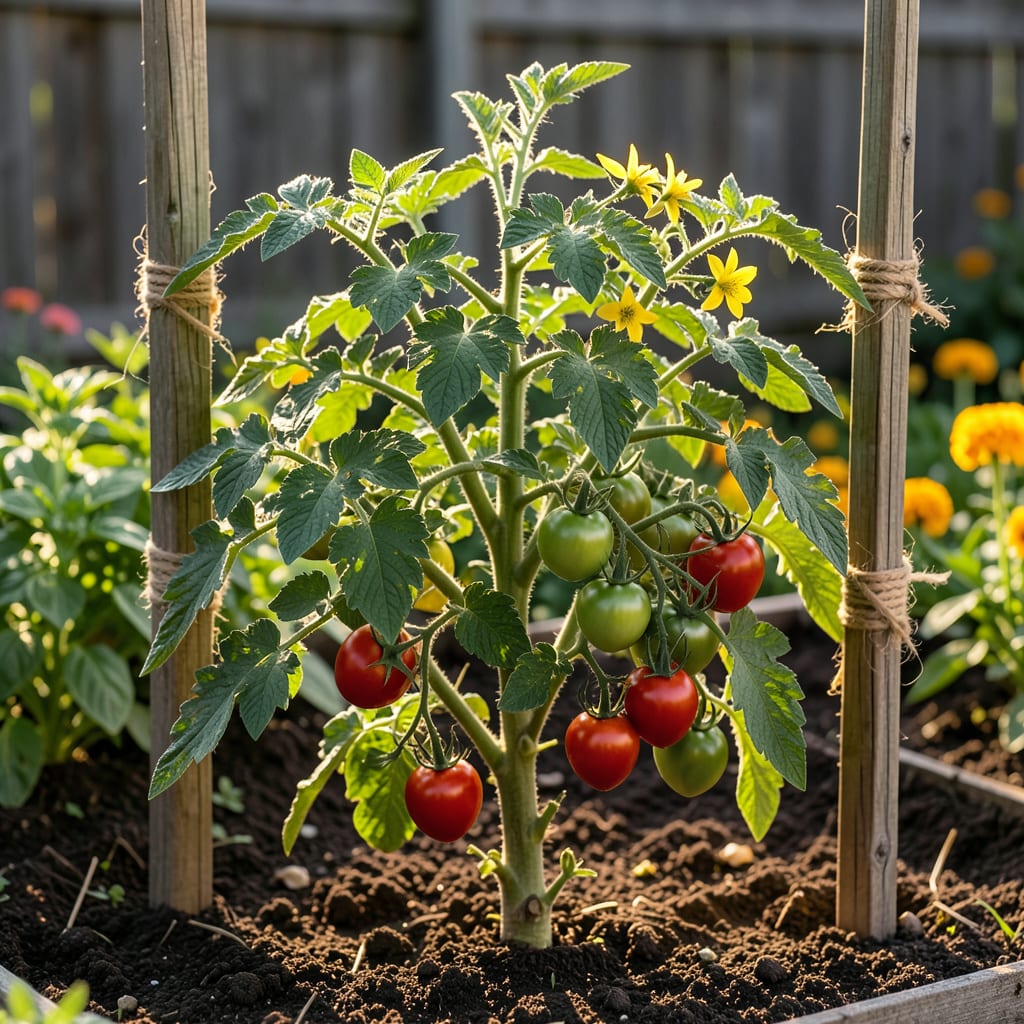
Cutworms, hornworms, slugs, and earwigs are the most likely culprits chewing your tomato stems. Cutworms sever seedlings at soil level, while hornworms leave jagged bite marks higher up. Slugs create irregular holes with slime trails, and earwigs chew small, scattered notches.
These pests target tomato plants at different growth stages, which is why you might notice damage appearing suddenly. 🔥 Cutworms strike overnight, often felling young seedlings in a single feeding, while hornworms (despite their name) prefer leaves and stems during daylight. Slugs thrive in damp conditions, leaving telltale silver trails, and earwigs—though mostly nocturnal—tend to nibble on tender new growth. The key is matching the damage pattern to the pest’s behavior for fast, effective control.
What’s tricky is that some pests, like hornworms, blend perfectly with foliage, making them hard to spot until damage is severe. ✨ I’ve found that checking plants at dawn or dusk—when many of these pests are most active—can help catch them in the act. Early intervention saves not just stems but your entire harvest.
💡 In This Article
Each pest leaves a unique “signature” on tomato stems that reveals its identity. Cutworms create clean, sharp cuts at soil level—almost like someone snipped the stem with scissors.
These caterpillars curl into a C-shape when disturbed and feed exclusively at night, which is why you’ll find healthy plants one evening and toppled seedlings the next morning. Their damage is surgical: a single bite can sever a young plant completely.
Hornworms, on the other hand, leave ragged, uneven chew marks along stems and leaves. These bright green caterpillars (up to 4 inches long) feed during daylight, often starting at the top of the plant and working downward. Look for dark green or black droppings (called frass) near damaged areas—a dead giveaway.
Their feeding pattern creates a “skeletonized” appearance where only the toughest veins remain. 🔥
Slugs and snails create irregular, smooth-edged holes that often appear overnight in damp conditions. The real smoking gun is the shiny silver slime trail they leave behind, which dries into a thin, reflective film.
These pests prefer tender new growth and will chew through stems at any height, leaving behind a slimy residue that actually attracts more pests if not removed.
Earwigs make small, scattered notches along stem edges—almost like someone took tiny bites out of the plant. These nocturnal feeders hide during the day in dark, moist places and emerge at night to nibble. Unlike other pests, earwigs rarely cause fatal damage but their feeding creates entry points for diseases.
Check for them under mulch or in curled leaves where they shelter.
The location of damage tells you which pest you’re dealing with. Soil-level cuts = cutworms. Higher stem damage with frass = hornworms. Irregular holes with slime = slugs. Small notches along edges = earwigs. This pattern-matching system lets you identify the culprit without ever seeing the pest itself. ✨
Life cycles matter too. Cutworms are most destructive as young caterpillars in early spring. Hornworms appear later in summer when tomatoes are fruiting. Slugs thrive in wet conditions, while earwigs become problematic in hot, dry weather. Timing your inspections to these patterns increases your chances of catching them red-handed.
Here’s what most gardeners miss: many pests leave behind more than just bite marks. Cutworms often drag plant debris into their underground burrows. Hornworms blend perfectly with stems (look for their white diagonal stripes). Slugs leave metallic-looking trails. Earwigs emit a foul odor when crushed.
These secondary clues confirm your identification when the damage patterns aren’t clear.
Pro tip: Use a flashlight to inspect plants at night when many of these pests are active. The light will make slug trails glisten and cutworms curl up defensively. Hornworms become easier to spot when they’re feeding under artificial light. This simple trick can save you hours of frustrating daytime searches. 💫
Remember that some damage might look similar at first glance. For example, both slugs and earwigs can create small holes, but slug holes are smooth while earwig damage looks more torn.
When in doubt, set up a simple trap (like a board on the soil) and check underneath the next morning—you’ll often find your culprit taking shelter there.
Pest damage typically shows as chewed edges or holes in stems, often with visible trails (slugs) or frass (hornworms). Disease causes discoloration, wilting, or mushy tissue without bite marks. Look for physical evidence like slime trails or insect bodies to confirm pests.
Create protective collars using cardboard or plastic. Bury them 1 inch deep around each seedling at planting time. Toilet paper rolls work perfectly—they’re biodegradable and provide instant protection against nocturnal cutworm attacks.
Many stem pests like cutworms and earwigs are nocturnal feeders. They hide during daylight in soil or under debris. Use a flashlight to inspect plants after dark—you’ll often catch them in the act. Dawn is another good time when they’re still sluggish.
Planting basil, marigolds, or garlic near tomatoes creates natural barriers. Basil repels hornworms, marigolds deter slugs, and garlic confuses earwigs. This method works best when combined with other controls like collars or traps.
Inspect tomato plants every 2-3 days during growing season, focusing on new growth. After rain or watering, check daily—moisture attracts slugs and earwigs. Early morning is ideal for spotting fresh damage and the pests responsible.
