
Beautiful Plants For Your Interior
Beautiful Plants For Your Interior
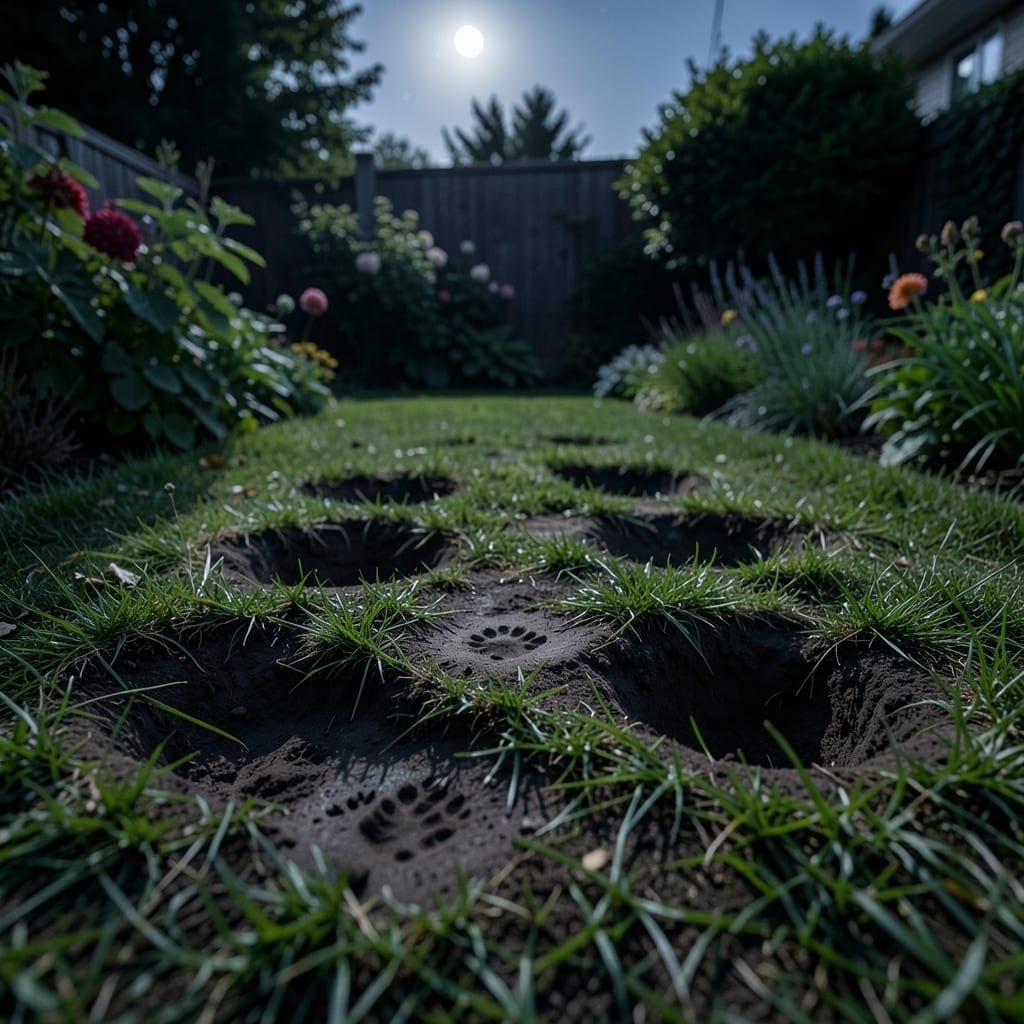
Waking up to fresh holes in your yard is never a good feeling. I’ve spent too many mornings staring at dug-up grass, wondering what creature turned my lawn into its personal construction site overnight.
Raccoons, skunks, and even armadillos are the usual suspects, each leaving their own telltale signs. Raccoons dig shallow holes while searching for grubs, while skunks leave small, cone-shaped pits. Armadillos? They carve out deeper trenches.
You don’t have to live with the damage. Simple, eco-friendly fixes like motion-activated lights or natural repellents can send these nighttime visitors packing without harming them—or your garden.
Prevention starts with removing food sources and securing trash. A little effort now saves your yard from becoming a midnight buffet.
Nocturnal digging in your yard is usually tied to the natural behaviors of wildlife or environmental factors. Here’s a breakdown of the most common causes:
Many animals, like raccoons, skunks, and armadillos, dig at night to uncover grubs, insects, or worms. These creatures have a keen sense of smell and can detect prey beneath the soil. Lawns with moist, loose soil or high insect activity are prime targets. Actionable tip: Reduce grubs with beneficial nematodes or milky spore treatments to make your yard less appealing.
Nocturnal diggers such as moles and voles create tunnels and burrows for protection from predators and harsh weather. Moles leave raised ridges, while voles dig shallow holes with visible runways. Actionable tip: Install underground barriers or use repellents like castor oil to deter burrowing.
Some animals, like opossums and foxes, are naturally active at night and may dig while searching for food or marking territory. These digs are often shallow and scattered. Actionable tip: Secure trash cans and remove food sources (e.g., pet food, fallen fruit) to discourage visits.
In dry climates, animals such as squirrels or chipmunks may dig to access moisture in the soil. This is common in freshly watered lawns or areas with poor drainage. Actionable tip: Water your lawn in the early morning to allow absorption before nightfall, reducing surface moisture.
Once you’ve identified the nocturnal culprit, it’s time to take action. Below are targeted solutions for common yard diggers, along with prevention tips to keep your lawn intact.
These masked bandits and their striped cousins dig for grubs and leftovers. Fix: Remove food attractants like pet bowls, fallen fruit, or unsecured trash cans. Use bungee cords to tightly seal lids. For grubs, apply beneficial nematodes to your lawn—they’ll kill the larvae without chemicals.
Prevent it: Install motion-activated sprinklers or lights to startle them away. A low, electric fence (1-2 inches off the ground) can also deter digging.
Armadillos dig shallow holes searching for insects. Fix: Castor oil-based repellents (sprayed weekly) make your yard less appealing. For active burrows, flood them with a hose to encourage the armadillo to leave.
Prevent it: Install hardware cloth or a trench filled with rocks around gardens. Keep your lawn mowed short to reduce insect populations.
Mice and voles create small, shallow holes. Fix: Set snap traps or live traps near holes with peanut butter as bait. For voles, use apple slices—they’re irresistible.
Prevent it: Clear brush piles, tall grass, and woodpiles near your home. Store firewood at least 20 feet from your house and elevate it off the ground.
Pets dig out of boredom or to bury toys. Fix: Designate a digging zone filled with soft soil or sand, and reward them for using it. For stubborn diggers, a cones or chicken wire barrier over the hole can break the habit.
Prevent it: Increase playtime and provide chew toys or puzzle feeders to keep them occupied.
💡 Pro Tip: For persistent pests, try a nighttime stakeout with a flashlight to catch the digger in action. This helps confirm your solution is targeting the right animal!
Look for clues in the hole size and pattern. Raccoons leave shallow, hand-sized pits, while armadillos dig deeper, wider trenches. Skunks create small, cone-shaped holes.
Most digging is cosmetic, but extensive burrowing can damage roots and create tripping hazards. Moles and voles may harm plant roots over time.
Natural repellents like castor oil are safe and humane. They make your yard unappealing without causing harm. Always follow product instructions.
Motion lights and sprinklers work immediately. Repellents may take 1-2 weeks as animals learn to avoid the area. Consistency is key.