
Beautiful Plants For Your Interior
Beautiful Plants For Your Interior
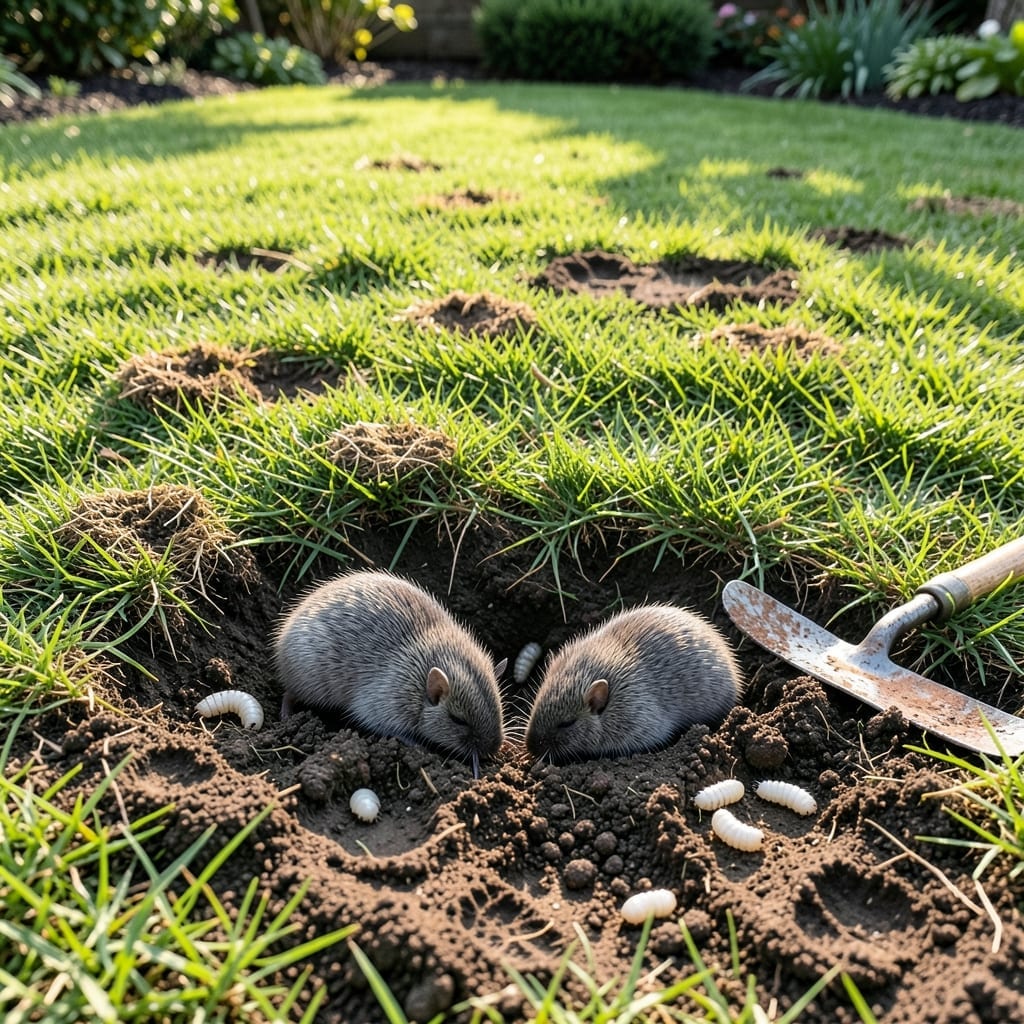
Waking up to mysterious holes in your lawn feels like a garden mystery novel. I’ve solved this case more times than I can count—usually before my morning coffee even cools.
The usual suspects are digging animals, burrowing pests, or even fungal issues. Each leaves a distinct pattern: raccoons tear up turf, moles create tunnels, and grubs leave dead patches that pull up like loose carpet.
You’ll spot the difference with a quick inspection—no magnifying glass required. Look for 1-2 inch entry points, mounded soil, or wilting grass above the damage.
Most fixes take less than an hour and prevent future invasions. Here’s how to restore your lawn’s good looks fast.
Holes in your lawn can stem from a variety of causes, each with its own unique footprint. Understanding the why behind these frustrating gaps is the first step to fixing them. Here’s a breakdown of the most common culprits:
Small mammals like moles, voles, or gophers dig tunnels just beneath the surface, creating raised ridges or sunken holes. Moles leave cone-shaped mounds, while voles chew grass roots, leaving shallow, meandering trenches. Larger holes (2-4 inches wide) often point to raccoons or skunks digging for grubs. To confirm, look for fresh dirt piles or claw marks.
Grubs (larvae of beetles) are a primary suspect. They feed on grass roots, causing the turf to loosen and collapse into small, irregular holes. Earthworms, while beneficial, can also leave behind tiny, cast-like mounds. Check for spongy, discolored patches—peel back the grass to spot white, C-shaped grubs or worm casings.
Poor drainage or heavy foot traffic can lead to soil compaction, creating low spots where water pools. Over time, these areas erode, forming depressions. Clay-heavy soils are especially prone. Test by pressing a screwdriver into the soil—if it resists, compaction is likely. Aerating the lawn can relieve pressure and improve water absorption.
Newly laid sod or fill dirt may settle unevenly, leaving small divots. This is common after heavy rain or thawing frost, which shifts the soil. While unsightly, it’s usually harmless. Top-dress with a mix of sand and compost to level the area.
Identify the pattern and size of the holes to pinpoint the cause—then tackle it at the root!
Once you’ve identified the culprit behind those unsightly holes, it’s time to take action. Below are practical solutions tailored to each common cause, along with prevention tips to keep your lawn looking lush and hole-free.
For holes caused by moles, voles, or gophers, start by filling the tunnels with soil and tampering it down. To prevent recurrence, install underground barriers or use castor oil-based repellents—animals dislike the taste and smell. For a natural deterrent, plant daffodils or alliums around the perimeter; their bulbs are unappetizing to diggers.
💡 Pro Tip: Check for fresh activity in the early morning or evening—this is when burrowing animals are most active.
If grubs, ants, or beetles are to blame, apply a targeted insecticide or beneficial nematodes to the affected areas. For a chemical-free approach, dethatch your lawn to expose pests to natural predators like birds. After treatment, reseed bare spots with a hardy grass variety to speed up recovery.
💡 Pro Tip: Water your lawn deeply but infrequently to avoid creating damp conditions that attract insects.
Holes from poor drainage or heavy rainfall can be fixed by leveling low spots with topsoil and aerating compacted areas to improve water absorption. For long-term prevention, install a French drain or grade your yard to redirect water away from vulnerable zones.
💡 Pro Tip: Use a rain gauge to monitor water levels—your lawn needs about 1–1.5 inches of water per week, including rainfall.
High-traffic areas often develop depressions that turn into holes. Lay down stepping stones or mulch in frequently used paths to distribute weight. For existing holes, fill with a mix of soil and sand, then cover with sod or grass seed.
💡 Pro Tip: Rotate play areas or seating spots in your yard to give grass time to recover.
Fungal holes or patches require removing infected soil and grass to prevent spread. Apply a fungicide if needed, then overseed with disease-resistant grass. Improve airflow by pruning nearby shrubs and avoiding overwatering.
💡 Pro Tip: Mow your lawn to the recommended height for your grass type—too short can stress the lawn and invite disease.
Look for 1-2 inch cone-shaped mounds with no visible entry. Moles create raised tunnels just beneath the surface, often in straight lines. Fresh activity is easiest to spot in early morning or evening.
Fill with a mix of topsoil and sand, then tamp down firmly. For bare spots, add grass seed and water deeply. Most small repairs take less than 30 minutes to complete.
Yes, excessive water can erode soil and create depressions. Clay-heavy soils are especially prone. Aim for 1–1.5 inches of water per week, including rainfall, to prevent this.
Use castor oil repellents or plant daffodils around the perimeter. Underground barriers work for persistent diggers. Natural deterrents are safe for pets and plants.