
Beautiful Plants For Your Interior
Beautiful Plants For Your Interior
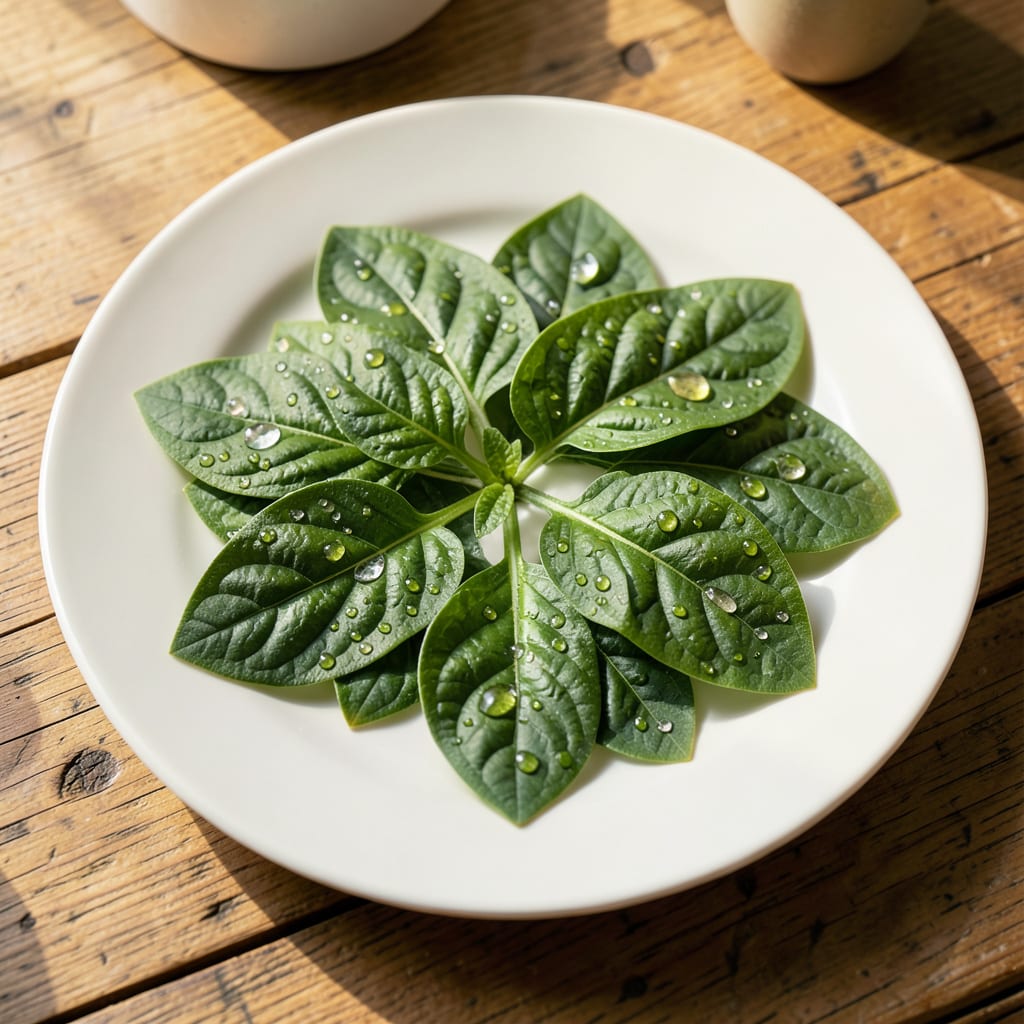
Spotted transparent patches on your tomato leaves mean trouble. I’ve seen this exact pattern before—it’s not just unsightly, it’s your plant’s distress signal flare.
These spots usually point to one of three culprits: pest damage, fungal infection, or environmental stress. Each leaves a distinct signature, from ragged edges to yellow halos, that helps pinpoint the problem fast.
The good news? Early intervention can save your crop. I’ve nursed tomatoes back from this exact issue with targeted fixes that stop the spread within 48 hours.
We’ll identify the pattern, match it to the cause, and apply the right rescue. No guesswork, just actionable steps to restore healthy leaves.
Transparent spots on tomato leaves are a distress signal from your plant, often tied to environmental stress or disease. Here’s a breakdown of the most common causes, explained clearly so you can act fast.
Intense sunlight or extreme heat can damage leaf tissues, causing localized cell death. This appears as bleached or translucent patches, especially on the upper leaves exposed to direct midday sun. The plant’s cuticle (protective waxy layer) may break down, leading to water loss and tissue collapse. Action: Provide shade cloth (30-50%) during peak heat or relocate potted plants.
Inconsistent watering—either drought stress or waterlogged roots—disrupts the plant’s ability to regulate moisture. Underwatering causes leaves to lose turgor pressure, leading to dry, paper-thin spots. Overwatering, meanwhile, suffocates roots, reducing nutrient uptake and creating water-soaked, translucent lesions. Action: Water deeply 1-2 times weekly (adjust for soil type) and ensure proper drainage.
Pathogens like Septoria lycopersici or Early Blight (Alternaria solani) start as small, water-soaked spots that turn brown or gray with translucent edges. These fungi thrive in humid, wet conditions, entering through stomata or wounds. Action: Remove infected leaves, improve airflow, and apply copper-based fungicides preventatively.
A lack of calcium or boron can manifest as irregular, translucent patches between leaf veins. Calcium is immobile in the plant, so new growth suffers first. Boron deficiency causes brittle, distorted leaves with watery spots. Action: Test soil and amend with gypsum (for calcium) or borax (sparingly) for boron.
Sap-sucking pests like whiteflies or thrips pierce leaf cells, causing localized damage that appears as stipled or transparent spots. Their feeding disrupts chlorophyll, leading to pale or see-through areas. Action: Use insecticidal soap or neem oil, and introduce beneficial insects like ladybugs.
Transparent spots on tomato leaves are often a sign of stress or disease, but the good news is many causes are treatable. Below are practical, step-by-step solutions mapped to the most common culprits, along with prevention tips to keep your plants healthy.
If the spots are caused by Septoria leaf spot or early blight, remove affected leaves immediately to prevent spread. Apply a copper-based fungicide or neem oil spray every 7–10 days, especially after rain. Prevention tip: 💡 Space plants properly for airflow and avoid overhead watering to reduce humidity.
Transparent spots from thrips or spider mites require action. Spray leaves with insecticidal soap or introduce beneficial insects like ladybugs. For severe infestations, use pyrethrin-based sprays. Prevention tip: 🎯 Regularly inspect the undersides of leaves and keep the garden free of debris where pests hide.
If the spots appear after intense sunlight, your plants may be sunburned. Move potted tomatoes to partial shade or use shade cloth (30–50% density) during peak hours. Prevention tip: ✨ Harden off seedlings gradually before transplanting to full sun.
Overwatering or high humidity can cause edema, leading to transparent, blister-like spots. Let the top inch of soil dry between waterings and improve drainage with perlite or sand. Prevention tip: 🌡️ Water in the morning so leaves dry quickly, and ensure containers have drainage holes.
Yellowing or transparent spots between leaf veins may signal a magnesium or calcium deficiency. Apply Epsom salt (1 tbsp/gallon of water) for magnesium or crushed eggshells for calcium. Prevention tip: 🔥 Test soil annually and amend with compost for balanced nutrition.
Yes, if caused by fungal infections or pests. Isolate affected plants and treat immediately with copper fungicide or insecticidal soap to prevent contamination.
Within 24-48 hours for best results. Early treatment stops damage from worsening and saves your crop.
Damaged leaves won’t fully heal, but new growth will be healthy. Remove severely affected leaves to redirect energy to recovery.
Possibly. Water-soaked, translucent spots often indicate edema from excess moisture. Let soil dry slightly between waterings.
