
Beautiful Plants For Your Interior
Beautiful Plants For Your Interior
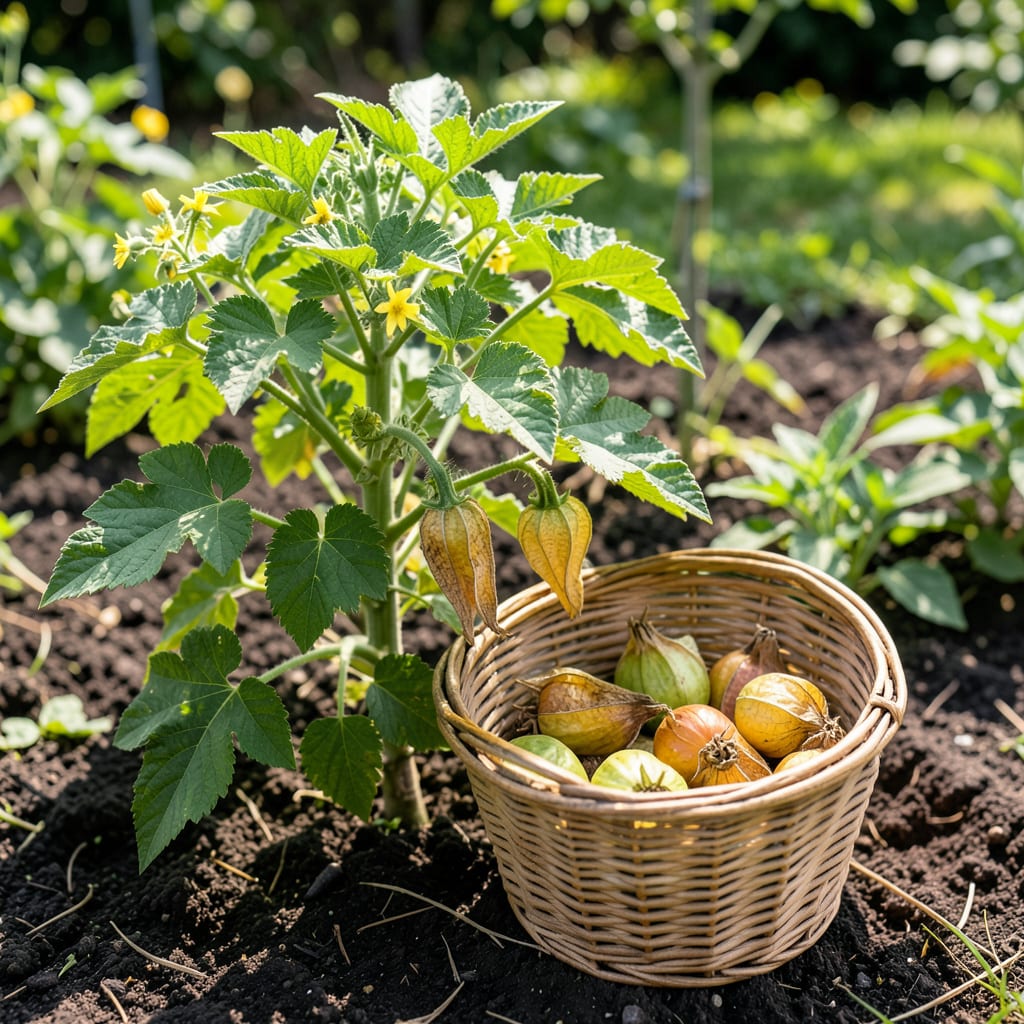
I used to stare at my Tomatillo 🍅 plants wondering if they were ready, until I learned the simple signs to look for. The transformation from green husk to papery brown is your first clue.
When that husk splits open and you see a plump fruit filling its shell, you’ve hit the perfect moment. That’s when the flavor is at its peak for all your favorite recipes.


I’ve learned that tomatillos give clear signals when they’re ready for harvest, and it starts with the husk color change. That green papery covering slowly turns tan or brown as the fruit matures inside.
The most reliable sign is when the husk splits open naturally, revealing a plump fruit that fills its shell completely. This usually happens 70-100 days after planting, depending on the variety.
| Ripeness Sign | What to Look For |
| Husk Color | Turns brown and papery |
| Husk Condition | Splits open naturally |
| Fruit Size | Fills the husk completely |
| Fruit Texture | Firm to touch |
| Harvest Time | 70-100 days after planting |
Don’t be fooled by the fruit color alone. Tomatillos can be green, yellow, purple, or even red when ripe, depending on the variety. The husk is your best indicator, not the fruit’s shade.
I always check for firmness too. Gently squeeze the fruit through the split husk—it should feel solid and slightly springy. If it’s mushy, it’s likely overripe.
Another trick I use is to peek inside the husk. If the fruit has filled the entire space, it’s ready. If there’s still air gaps, give it more time on the vine.
The sticky residue on the fruit is normal—it’s a natural protective coating. Just rinse it off after harvest if it bothers you, but it doesn’t affect the flavor or quality. ☀️
I’ve found that morning harvesting works best. The fruits are firmer, and the plants are less stressed from heat. Use sharp pruners or scissors to avoid damaging the vine.
If you’re growing purple or red varieties, the husk may split earlier, but the fruit will still need to reach full size. The same rules apply: wait for the husk to brown and the fruit to fill it.
Remember, tomatillos continue to ripen slightly after picking, but they’re best when harvested at peak ripeness. The flavor is sweeter and more complex when you get the timing right. 🌱
I’ve made the mistake of harvesting tomatillos at the wrong time, and it affects both flavor and texture. Picking too early means you’ll get tart, underdeveloped fruits that lack sweetness.
The husk color and fruit firmness are your best guides. If the husk is still green and tight, the fruit inside isn’t ready, no matter how eager you are to use it.
| Picking Too Early | Picking Too Late |
| ❌ Tart flavor ❌ Small fruit size ❌ Poor texture |
❌ Mushy fruit ❌ Split skins ❌ Shorter storage |
If you wait too long, the fruit becomes overripe. The husk may darken excessively, and the tomatillo inside turns soft and mealy. This makes them less ideal for storage or fresh use.
I’ve noticed that underripe tomatillos can still ripen off the vine, but they won’t develop the same complex flavor as those left to mature naturally. The sticky coating is more pronounced too.
For best results, aim for that sweet spot when the husk splits and the fruit feels firm and plump. This is when the sugar content is at its peak.
If you accidentally pick a few early, don’t worry. They’ll still work in cooked dishes, though the tangy flavor will be more dominant. Just avoid using overripe ones in fresh preparations.
I always mark my planting date on the calendar. Since tomatillos take 70-100 days to mature, this helps me anticipate the harvest window and avoid guessing. 🌱
I’ve found that using the right tools makes harvesting tomatillos much easier. A pair of sharp pruners or clean scissors helps me snip the stem without tearing the plant.
That sticky residue on the fruit can be messy, but I’ve learned to wear gardening gloves. It washes off easily with soap and water, but it’s best to avoid getting it on your skin.
I always check my plants daily once the husks start changing color. Tomatillos can go from perfectly ripe to overripe quickly, especially in hot weather. A quick daily inspection helps me catch them at the right moment.
To encourage continued production, I
If you’re growing multiple plants, harvest from different areas each time. This prevents stress on any single vine and keeps your entire crop healthy and productive throughout the season. 🌱
Start checking daily once husks begin turning brown. The fruit can go from perfectly ripe to overripe in just 2-3 days, especially in warm weather.
Some varieties stay green when ripe. Focus on the husk color and firmness, not the fruit’s shade. Purple or yellow types follow the same rules.
Pick in the morning when fruits are firmest and plants are less heat-stressed. This helps maintain quality and reduces plant shock.
Split skins often mean overripeness. These work for cooking but may be too soft for fresh use like salsa verde. Check firmness first.
