
Beautiful Plants For Your Interior
Beautiful Plants For Your Interior
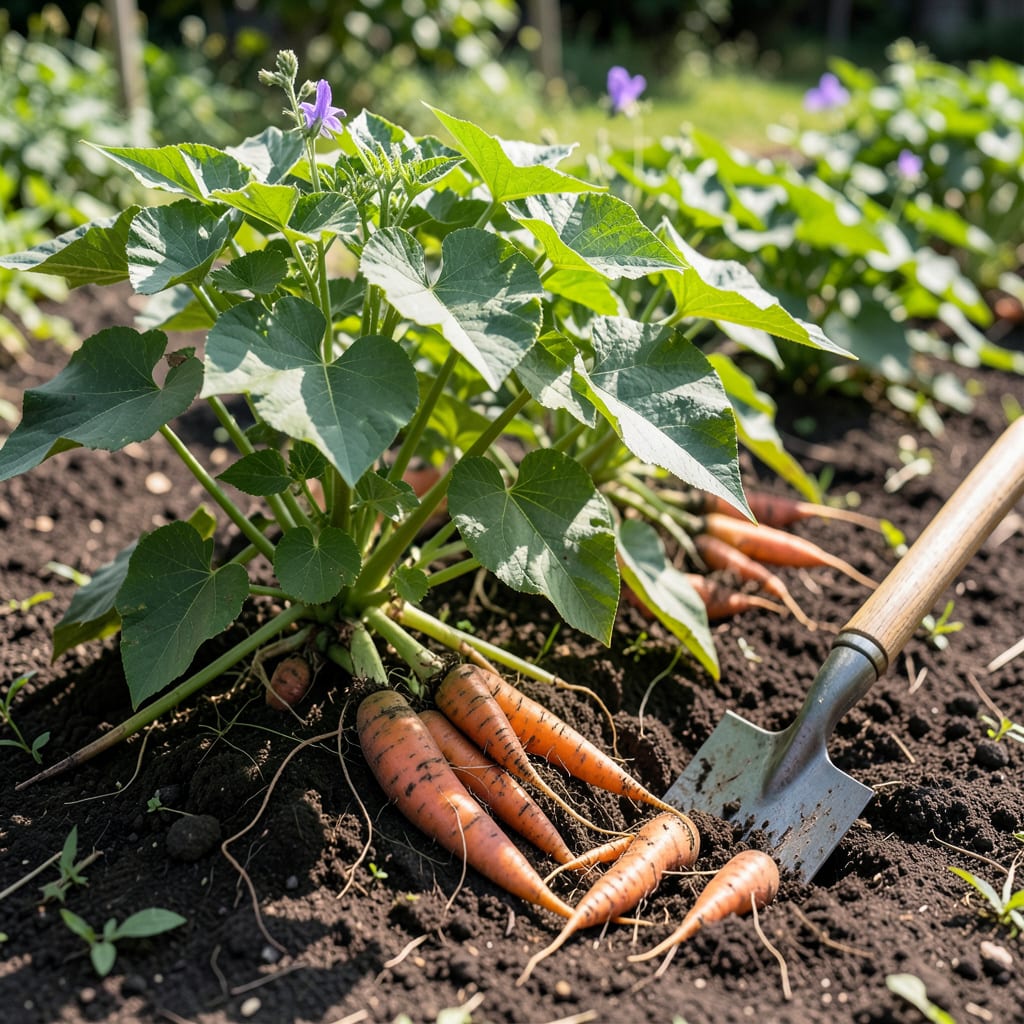
There’s nothing quite like pulling perfect 🍠 Sweet Potatoes from your garden after months of care. Timing is everything when it comes to that ideal sweetness and texture we all crave.
I’ll walk you through the key factors that determine when your crop is truly ready, from variety differences to nature’s own signals. Let’s get this harvest just right.


Timing your sweet potato harvest perfectly starts with knowing your variety. I’ve found that early types like Georgia Jet can be ready in as few as 90 days, while others need the full 120 days to reach peak sweetness. 🌱
The growth stages are remarkably consistent across varieties. First comes the vine establishment phase, then rapid tuber formation. The final stage is all about sugar development, which is why patience pays off. 🌿
| Variety | Days to Maturity | Key Trait |
| Beauregard | 100 days | Most popular, copper skin |
| Georgia Jet | 90 days | Early producer, deep orange |
| Centennial | 110 days | Drought tolerant, uniform size |
| Jewel | 120 days | Sweetest flavor, late season |
In my experience, soil temperature plays a huge role in these timelines. Sweet potatoes won’t start forming tubers until the soil hits at least 60°F. That’s why I always use a soil thermometer before planting. ☀️
For northern gardeners, I recommend starting slips indoors 6-8 weeks before the last frost. This gives you a head start on the growing season and helps ensure you hit that 100-day mark before cold weather arrives. 🌡️
The vine growth can be misleading – some varieties spread up to 10 feet while others stay compact. Don’t let the top growth fool you; it’s what’s happening underground that counts. I’ve seen small vines produce amazing yields. ✂️
I always mark my planting date on the calendar and start checking tubers at the 90-day point. A gentle test dig near the plant’s edge lets me assess size without disturbing the main crop. This simple step has saved me from many early harvest mistakes. 📅
Remember that weather conditions can adjust these timelines. A cool summer might add 10-14 days, while a hot one could speed things up. I keep a garden journal to track these variations year to year. 📋
For the best flavor, I’ve learned to let sweet potatoes cure in the ground for a few extra days after they reach maturity. This extra time allows the starches to convert to sugars, giving you that perfect sweetness we all love. 🪴
While counting days to harvest is helpful, I’ve learned that mother nature gives us clearer signs. The most reliable indicator is when the vines start yellowing, which typically happens as the tubers mature underground. 🌱
Another sure sign is when you notice the tubers reach 3-5 inches in length. I use a gentle test dig near the plant’s edge to check size without disturbing the main crop. This method has saved me from many premature harvests. 🌿
I pay close attention to the skin’s firmness during my test digs. When the skin resists scratching, it’s a sign the tubers are mature and ready for storage. This simple test is more reliable than counting days alone. ☀️
For northern climates, I recommend harvesting before the first frost. Even a light frost can damage the vines and tubers. I keep a weather eye on the forecast and have my harvest tools ready when temperatures start dropping. 🌡️
The test dig method also helps me assess flavor development. I’ll sample a small tuber from different plants to check for that perfect balance of sweetness and moisture. This hands-on approach takes the guesswork out of timing. ✂️
Remember that variety matters – some types show more obvious signs than others. I’ve found that Beauregard varieties often have more pronounced vine yellowing, while Jewel types may require more careful observation. 🪴
I see many gardeners make the same timing errors with sweet potatoes that cost them that perfect harvest. The most common is harvesting too early, which leaves you with starchy tubers instead of sweet ones. 🌱
Another big mistake is waiting too long. Over-mature sweet potatoes can become fibrous and woody, losing that tender texture we love. I’ve learned that 100-120 days is the sweet spot for most varieties.
Avoid these common mistakes to protect your sweet potato crop:
I always watch the weather forecast closely as harvest time approaches. Even a light frost can damage the vines and tubers, so I aim to harvest before the first cold snap. This is especially crucial in northern climates. ☀️
The test dig method has saved me from many timing mistakes. By gently checking a few tubers at the 90-day mark, I can adjust my harvest plans based on actual size and maturity, not just calendar dates. 🌿
Remember that variety matters too. Early types like Georgia Jet may be ready at 90 days, while late varieties like Jewel need the full 120 days. I keep notes on each variety’s performance in my garden journal. ✂️
Harvesting before 90 days results in starchy, less sweet tubers. The starches haven’t converted to sugars yet, so you’ll miss that signature sweetness. Patience is key!
It’s risky. Over-mature tubers become fibrous and woody. Also, frost can damage the crop. Aim for that 100-120 day window for best texture and flavor.
Use the test dig method! Gently check a tuber near the plant’s edge at 90 days. Look for 3-5 inch size and firm skin that resists scratching.
Early types like Georgia Jet may be ready at 90 days, while Jewel needs the full 120 days. Always check your specific variety’s timeline.
