
Beautiful Plants For Your Interior
Beautiful Plants For Your Interior
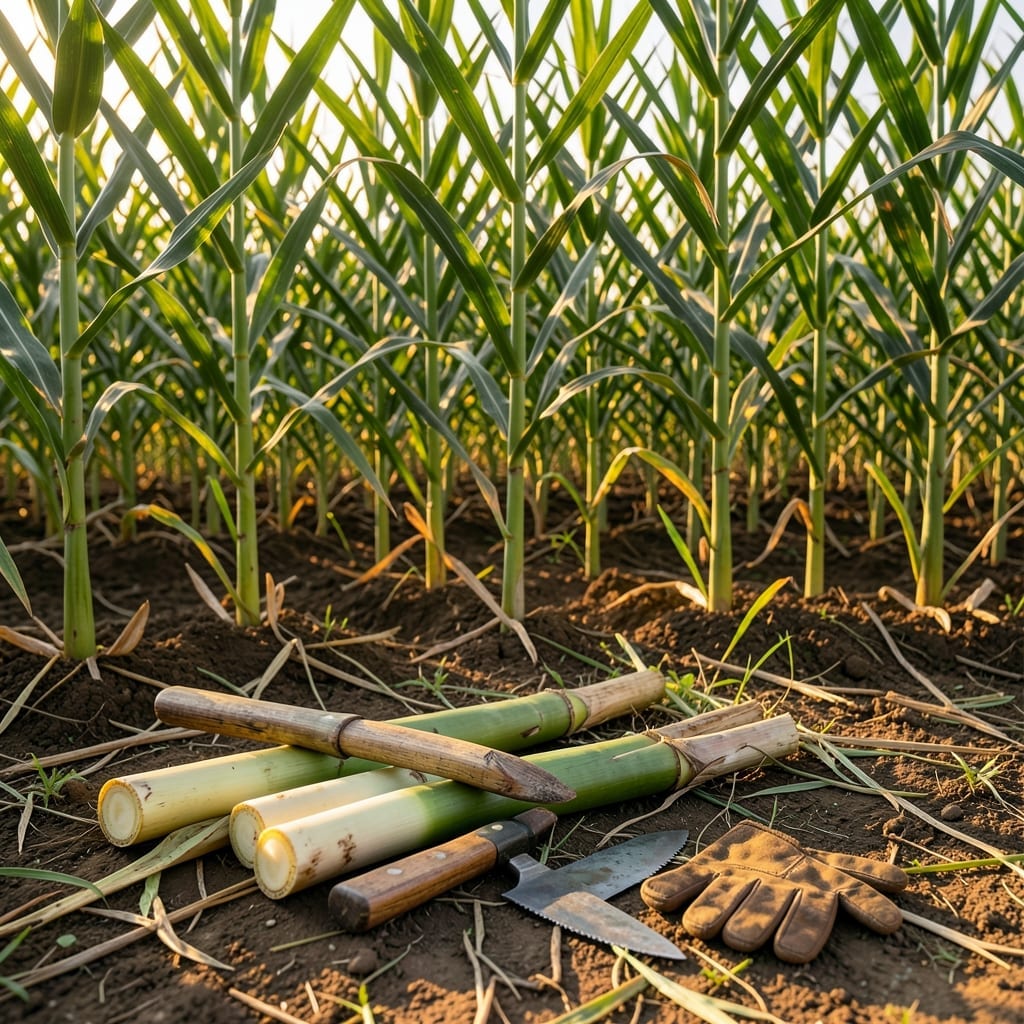
Timing your 🌿 Sugarcane harvest perfectly can mean the difference between a mediocre crop and a bumper yield of sweet, high-quality stalks.
Whether you’re a commercial grower or a home gardener, knowing the optimal moment to cut your cane is crucial for maximizing sugar content and flavor.
From USDA zones 9-11, the window is narrow but rewarding. I’ll show you how to spot the key signs of readiness.
Let’s explore how climate, plant maturity, and simple tests can help you pinpoint the best time to harvest your 🌿 Sugarcane.

As a gardener, I’ve learned that sugarcane harvest time varies dramatically by climate zone. In tropical regions, where temperatures stay above 70°F year-round, you can harvest year-round with peak sweetness in dry seasons. ☀️
The subtropical zones (like Florida or Louisiana) have a shorter window. Here, the best time is late fall to early winter, when cool nights and warm days maximize sucrose content. 🌡️
| Climate Zone | Optimal Harvest Window | Key Indicators |
|---|---|---|
| Tropical | Year-round, peak in dry season | Stalks 1-2″ thick, lower leaves yellow |
| Subtropical | October-December | Cool nights, firm stalks |
| Temperate | September-October (before frost) | First frost warning, 12-15% sucrose |
In temperate climates (Zones 8-9), sugarcane is riskier to grow but possible with care. The harvest window is tight—September to October—before the first frost hits. I always check weather forecasts religiously. ❄️
For home gardeners, the planting date affects harvest time. If you plant in early spring, expect 12-18 months to maturity. Stalk diameter is my go-to indicator—1-2 inches means it’s ready. 🌱
I’ve noticed that sucrose levels peak when days are warm (80-85°F) and nights are cool (50-60°F). This temperature swing signals the plant to store more sugar. A Brix refractometer can confirm 12-15% sugar content. ✂️
In coastal areas, humidity plays a role. High humidity can delay maturity, so I wait for drier conditions. The leaf sheaths will start to dry and split when the cane is ready. 💧
For commercial growers, timing is everything. Harvesting too early means lower yields, while too late risks frost damage or over-ripening. I recommend testing a few stalks first. 🌾
If you’re in a short-season area, consider early-maturing varieties like ‘CP 80-1743’ or ‘HoCP 91-555’. These can reach harvestable size in 10-12 months instead of 18. 🌿
Remember, sugarcane doesn’t ripen after cutting, so timing is non-negotiable. I always mark my planting date on the calendar and count forward 300-400 days for the first harvest window. 📋
Testing sugarcane maturity is essential to ensure you harvest at peak sweetness. I always start by checking the stalk diameter—it should be 1-2 inches thick for optimal yield. Thin stalks often indicate immaturity and lower sugar content.
Another reliable method is observing the leaf color changes. When the lower leaves begin to turn yellow, it’s a strong sign that the plant is redirecting nutrients to the stalks, boosting sucrose levels.
I also recommend the sound test. Tap the stalk with a knife or your knuckles—a hollow sound indicates high moisture and sugar content, while a dull thud suggests it’s not yet ready.
For the most accurate results, use a Brix refractometer. This tool measures the sucrose levels in the stalk juice. Aim for a reading between 12-15% for the sweetest harvest.
Don’t forget to inspect the stalk’s weight. Mature sugarcane feels heavy and firm, while immature stalks are lightweight and spongy. This tactile check is quick and effective.
Finally, avoid harvesting if the leaves are still green or the stalks feel soft. These are clear signs that the plant needs more time to develop its full sugar potential.
Taking these steps ensures you’ll harvest sweet, high-quality sugarcane every time ☀️