
Beautiful Plants For Your Interior
Beautiful Plants For Your Interior
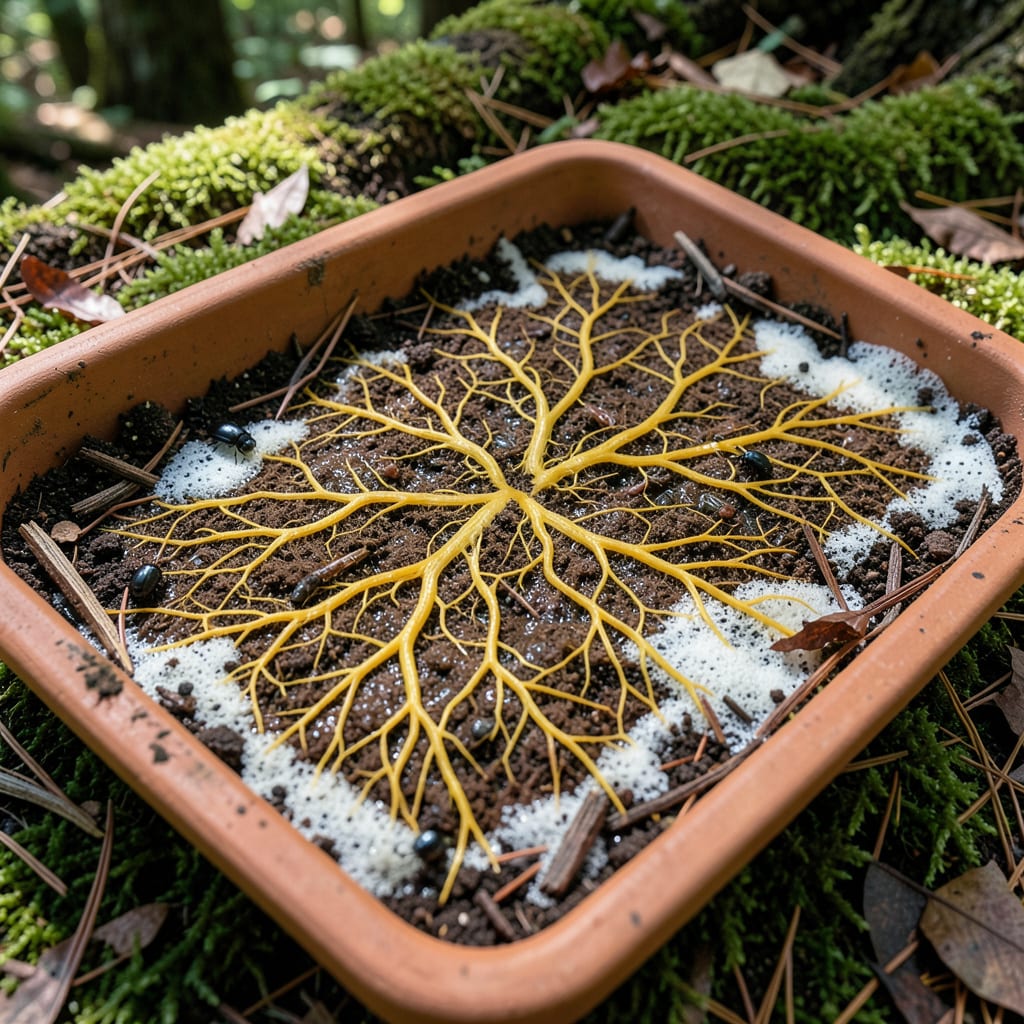
I spotted my first slime mold last spring. It looked like dog vomit sprawled across my mulch—bright yellow, slimy, and completely alarming.
Here’s the thing—it’s harmless to plants but a sign your soil might be too wet or rich in organic matter. The good news? It’s easy to fix without chemicals.
I removed mine with a garden fork and adjusted my watering. Within 48 hours, the mold disappeared and my plants never missed a beat.
Prevention comes down to airflow and moisture control. Let’s keep your soil healthy and slime-free.
Slime mold in soil may seem mysterious, but its appearance is tied to specific environmental conditions. Understanding these triggers helps you address and prevent its growth effectively. Below are the primary causes:
Slime mold thrives in damp environments. Overwatering, poor drainage, or prolonged rainy weather creates the perfect habitat for spores to germinate. Soils that retain too much moisture—especially clay-heavy or compacted soils—are particularly susceptible.
Decaying organic material, such as leaf litter, wood chips, or unturned compost, provides a food source for slime mold. As it breaks down, it releases nutrients that fuel the growth of these organisms. Mulched areas or untended garden beds are common hotspots.
Slime mold proliferates in temperatures between 60–80°F (15–27°C) with high humidity. Spring and early summer are peak seasons, as these conditions accelerate spore activation and spread.
Stagnant air traps moisture and limits evaporation, creating a microclimate ideal for slime mold. Dense plantings, thick mulch layers, or shaded areas with little airflow are prime locations for outbreaks.
By addressing these factors—improving drainage, managing organic debris, and promoting airflow—you can significantly reduce the likelihood of slime mold taking hold in your soil.
Slime mold may look alarming, but it’s usually harmless and easy to manage. Here’s how to tackle it based on the cause:
Slime mold thrives in damp conditions. Fix it by:
Prevention tip: 💡 Use raised beds or install French drains in waterlogged spots.
Decaying leaves, wood chips, or mulch feed slime mold. Fix it by:
Prevention tip: ✨ Keep garden beds tidy and refresh mulch annually.
Compacted soil traps moisture and encourages mold. Fix it by:
Prevention tip: 🎯 Avoid walking on wet soil to prevent compaction.
In most cases, slime mold fades on its own once conditions dry out. If it persists, a baking soda solution (1 tbsp per gallon of water) can help—spray it directly on the mold and repeat as needed. Always prioritize prevention to keep your soil healthy and mold-free!
Yes, it’s harmless to humans and plants. You can remove it by hand or with a hose. Just wear gloves if the texture bothers you.
No, it doesn’t harm roots or foliage. It’s mostly a visual nuisance that fades as soil dries or organic matter breaks down.
It can expand quickly in 24–48 hours under ideal conditions, but it won’t infest healthy, well-drained soil.
Reduce mulch thickness, improve drainage, and avoid overwatering. A light vinegar spray can also deter growth.
