
Beautiful Plants For Your Interior
Beautiful Plants For Your Interior
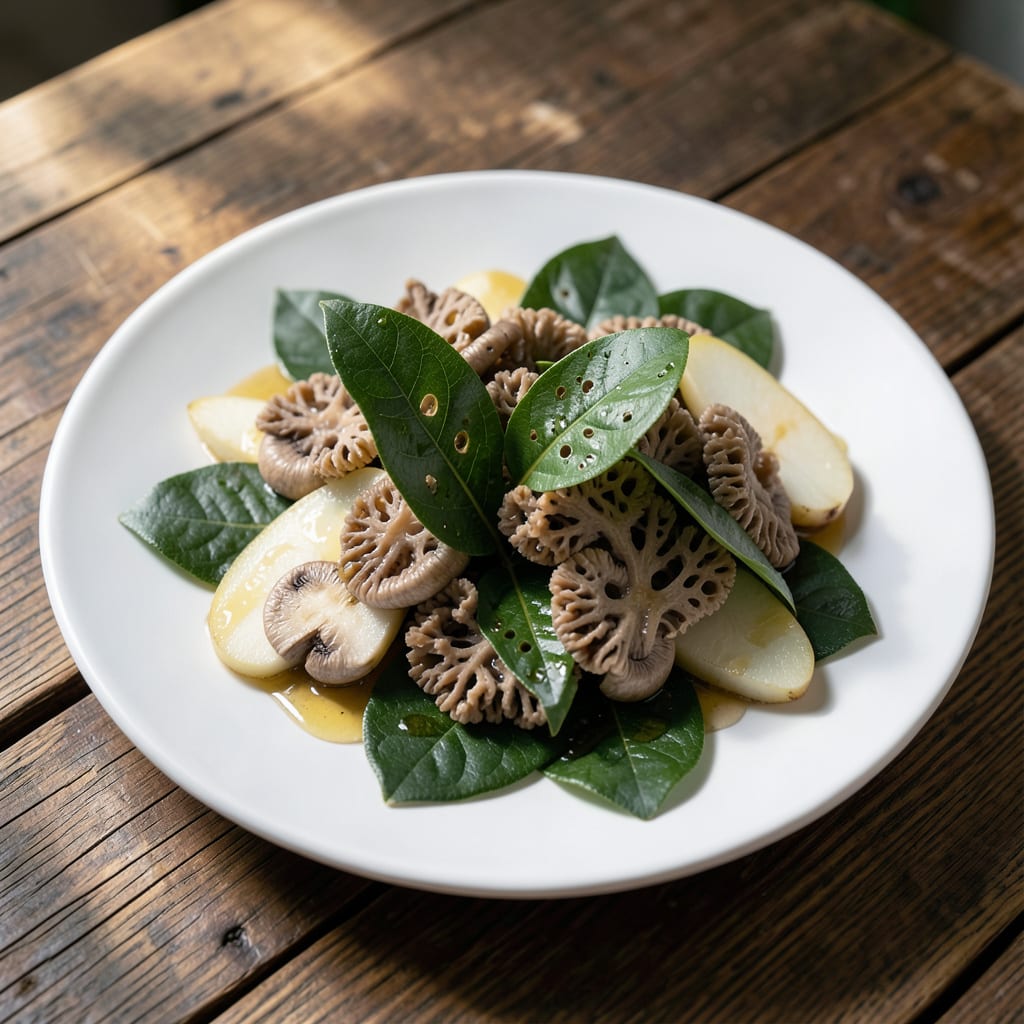
I first noticed the tiny holes in my laurel leaves last spring, thinking it was insect damage. Turns out it was shot hole fungus, a common issue that silently spreads when conditions are right.
This sneaky problem starts with small brown spots that eventually drop out, leaving your laurel looking like it’s been shot with a BB gun. It thrives in damp, crowded environments where air can’t circulate properly.
Catching it early makes all the difference. Once you spot those telltale holes, you can stop the spread with simple organic treatments and better plant care habits. The key is acting before it weakens your laurel.
Prevention is even easier than treatment. A few adjustments to watering and spacing can keep your laurels healthy and hole-free all season long.
Shot hole fungus on laurel plants is primarily caused by the pathogen Stigmina carpophila (formerly known as Wilsonomyces carpophilus). This fungal disease thrives under specific environmental and cultural conditions. Below are the key triggers and how they create the perfect environment for infection.
The fungus requires consistent moisture to germinate and infect. Rainy or humid weather, overhead irrigation, or poor air circulation can leave laurel foliage wet for extended periods. Water on the leaves for 6+ hours significantly increases spore germination. Avoid watering in the evening to allow leaves to dry before nightfall.
Stigmina carpophila is most active in temperatures between 50–68°F (10–20°C), which are common in spring and fall. These conditions accelerate fungal growth and spore production. Laurel plants in regions with mild, wet springs are particularly vulnerable during this window.
Dense foliage restricts airflow, trapping moisture and creating a microclimate ideal for fungal spread. Improper pruning (e.g., topping or shearing) can also create entry points for spores. Thin out laurel hedges annually to improve ventilation and reduce humidity around the leaves.
The fungus overwinters in fallen leaves, twigs, and old fruit beneath laurel plants. If not removed, these debris serve as a spore source for new infections in the next growing season. Sanitation is critical: rake and dispose of debris in late winter or early spring before new growth emerges.
Laurels under nutritional stress (e.g., nitrogen deficiency or excessive fertilization) are more susceptible to infection. Weak plants lack the vigor to resist fungal attack. Conduct a soil test and amend with balanced, organic fertilizers to maintain plant health.
Tackling shot hole fungus on your laurel starts with quick action and consistent care. Below are targeted solutions for common issues, paired with prevention tips to keep your plants thriving.
Prune and dispose of leaves, stems, or branches showing signs of infection (brown spots with yellow halos or holes). Do not compost these—disease can spread. Sterilize pruning tools with rubbing alcohol between cuts to avoid contamination. Prevention tip: Thin out dense foliage annually to improve airflow, as humidity fuels fungal growth.
Overhead watering wets leaves, creating a perfect environment for spores. Switch to drip irrigation or water at the base of the plant early in the day, allowing foliage to dry. Avoid watering in the evening or during rainy periods. Prevention tip: Mulch around the base to retain soil moisture and reduce splash-back onto leaves.
Spray affected plants with copper-based fungicides or neem oil at the first sign of trouble, following label instructions. Reapply every 7–10 days during wet seasons or as directed. For severe cases, consider baking soda solutions (1 tbsp baking soda + 1 tsp dish soap + 1 gallon water) as a mild alternative. Prevention tip: Treat nearby healthy plants preventatively if infection is widespread.
Weak plants are more susceptible. Fertilize with a balanced, slow-release organic fertilizer to strengthen resistance. Avoid high-nitrogen feeds, which promote tender growth that’s prone to disease. Prevention tip: Test soil pH—laurels prefer slightly acidic to neutral soil (6.0–7.0).
Pro tip 💡: Rotate treatments and cultural practices to prevent fungal resistance. Consistency is key—monitor plants weekly during humid or wet conditions!
Look for small brown spots with yellow halos that eventually drop out, leaving holes in the leaves. These symptoms often appear first on lower, older leaves.
Yes, the fungus can spread to nearby laurels through water splash or wind. Remove infected leaves immediately and avoid overhead watering to prevent contamination.
While organic options are preferred, chemical fungicides like copper-based products can be effective. Always follow label instructions and apply during dry weather.
