
Beautiful Plants For Your Interior
Beautiful Plants For Your Interior
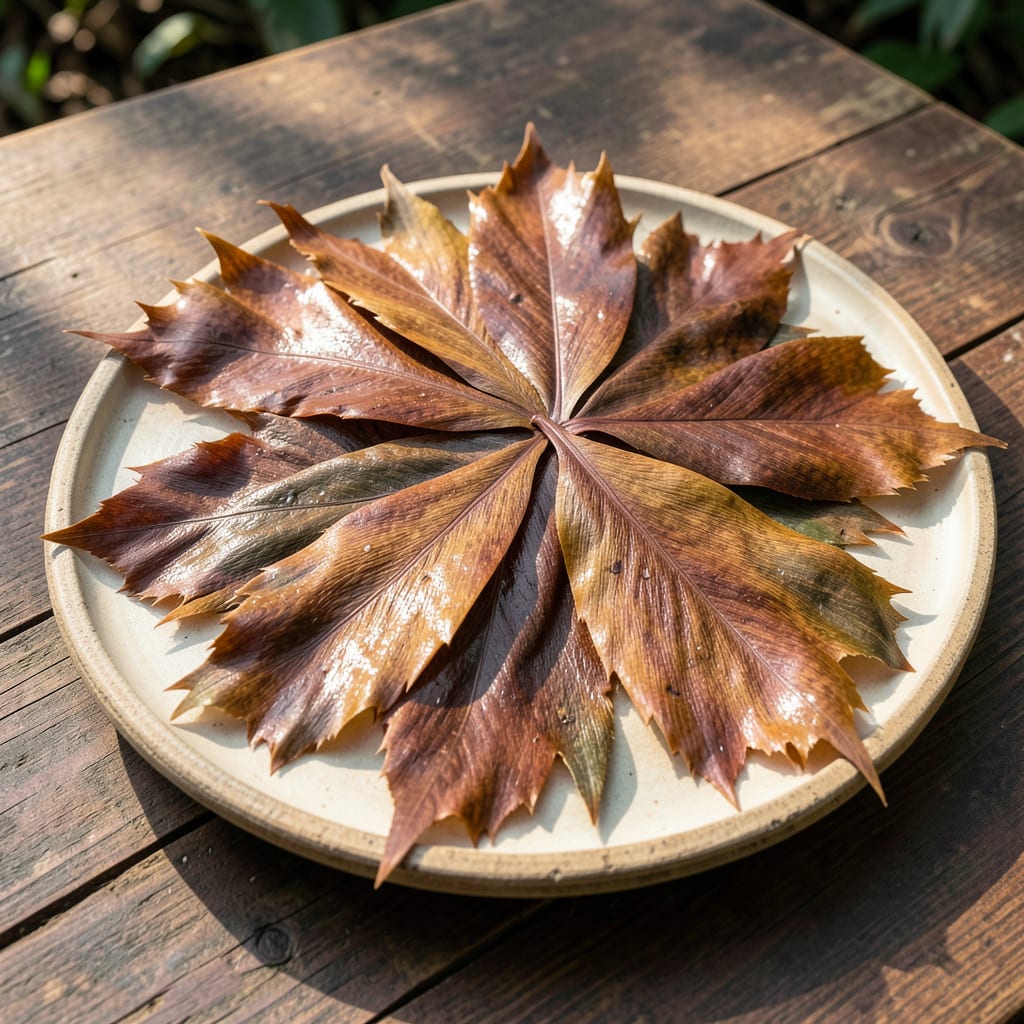
Brown sago palm leaves had me worried sick last summer. Turns out, it’s usually one of three culprits: too much water, not enough food, or uninvited pests throwing a party on your plant.
I fixed mine by cutting back on watering—these plants hate soggy feet—and switching to a palm-specific fertilizer. The change was noticeable within 2-3 weeks, with new growth coming in green and healthy.
You’ll spot the difference between overwatering (yellowing first) and underwatering (crispy tips). Pests leave their own calling cards, like webbing or sticky residue on the fronds.
Prevention is simpler than cure. Well-draining soil, a consistent watering schedule, and regular inspections keep most problems at bay. Here’s how to get your sago back to its best.
The brown leaves on your sago palm (Cycas revoluta) often signal underlying stress. Below are the most common causes, explained scientifically for clear action.
Sago palms thrive in USDA zones 8-11 and tolerate temperatures between 15–110°F (-9–43°C). Exposure to frost or prolonged heat above 100°F (38°C) damages cellular structures, leading to necrosis (tissue death). Frost disrupts water uptake, while extreme heat accelerates moisture loss, both turning fronds brown.
Overwatering suffocates roots, promoting Phytophthora or Fusarium root rot, which blocks nutrient transport. Underwatering, conversely, causes dehydration; leaves curl and brown as chlorophyll breaks down. Aim for deep, infrequent watering—let the top 2–3 inches of soil dry between sessions.
Native to humid subtropics, sago palms struggle in arid climates. Relative humidity below 30% increases transpiration, stressing the plant. Brown leaf tips (tip burn) often appear first. Grouping plants or using a pebble tray with water can restore moisture levels.
A lack of magnesium or manganese triggers interveinal chlorosis (yellowing between veins), progressing to brown necrosis. Sago palms prefer slightly acidic soil (pH 5.5–6.5). Test soil and amend with chelated micronutrients or Epsom salt (for magnesium) if deficiencies are confirmed.
Scale insects and mealybugs pierce leaf tissues to feed on sap, introducing toxins and pathogens. Their honeydew also fosters sooty mold, which blocks sunlight. Inspect undersides of fronds; treat with neem oil or insecticidal soap at first signs.
Brown leaves on your sago palm can be alarming, but with the right approach, you can nurse it back to health. Below are targeted solutions for common causes, along with prevention tips to keep your plant thriving.
Fix: Move your sago palm to a spot with partial shade, especially during peak afternoon hours. If it’s potted, shift it to a covered patio or under a tree. For in-ground plants, use shade cloth to filter harsh rays.
Prevention: Gradually acclimate your palm to sunlight if it’s been indoors, increasing exposure by 1-2 hours daily over a week. 💡 Pro tip: East-facing locations offer gentle morning sun without the intense afternoon heat.
Fix: Check the soil 2 inches down—if it’s bone-dry, water deeply until it drains from the bottom. If soggy, stop watering and let it dry out. For severe overwatering, repot in fresh, well-draining soil and trim any black, mushy roots.
Prevention: Water only when the top 1-2 inches of soil are dry. Use a pot with drainage holes and a cactus/succulent mix to avoid waterlogging. 🌡️ Pro tip: Reduce watering in winter when growth slows.
Fix: Apply a balanced, slow-release fertilizer (like 10-10-10) in spring and summer. For manganese deficiency (common in sago palms), use a micronutrient spray or chelated manganese supplement.
Prevention: Feed lightly every 2-3 months during the growing season. Avoid over-fertilizing, which can burn roots. ✨ Pro tip: Flush the soil with water every few months to remove salt buildup from fertilizers.
Fix: Wipe leaves with neem oil or insecticidal soap to tackle scale or mealybugs. For severe cases, use systemic granules. Trim heavily infested fronds and dispose of them in sealed bags.
Prevention: Inspect your palm weekly for pests, focusing on the undersides of leaves. Keep the area clean and avoid overcrowding with other plants. 🎯 Pro tip: Ladybugs are natural predators—release them near your palm for biological control.
Fix: Prune brown, dead fronds to encourage new growth. If the entire plant is brown, it may recover from the roots—be patient. Protect it with frost cloth if cold snaps are forecasted.
Prevention: Plant sago palms in USDA zones 8-11 or grow them in pots to bring indoors during winter. Mulch around the base for insulation. 🔥 Pro tip: Cover young palms with a blanket or burlap during unexpected freezes.
Yes, remove completely brown fronds to improve appearance and redirect energy. Use clean shears and cut at the base. Never remove more than 1/3 of fronds at once to avoid shocking the plant.
Water deeply every 1-2 weeks, allowing the top 2-3 inches of soil to dry between sessions. Reduce to monthly in winter. Always check soil moisture first.
No, once fronds turn brown, they won’t recover. Focus on improving care to encourage new, healthy growth. The plant may take 2-3 months to show improvement.
Use a slow-release palm fertilizer with micronutrients, especially manganese. Apply every 2-3 months during growing season. Avoid high-nitrogen products.
