
Beautiful Plants For Your Interior
Beautiful Plants For Your Interior
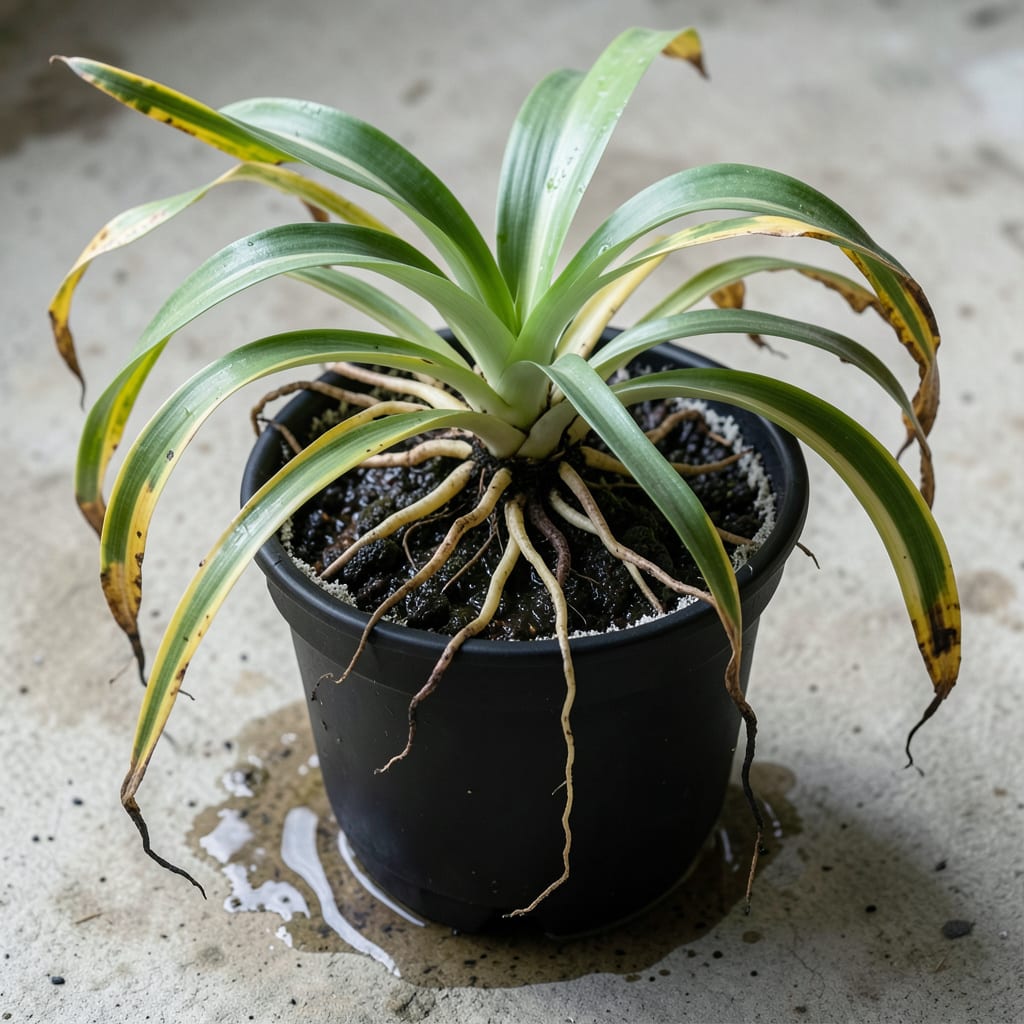
Yellow leaves and mushy stems in your spider plant scream trouble. I’ve saved mine from root rot more times than I’d like to admit by catching it early and acting fast.
The problem starts with too much water sitting in the soil, which suffocates the roots. Black, slimy roots and a foul smell confirm it. Most people don’t realize spider plants need the soil to dry out between waterings.
You can revive it by trimming the rotten roots, repotting in fresh soil, and adjusting your watering routine. I use a simple moisture meter now to avoid guessing.
With the right care, new growth appears within 2-3 weeks. Prevention is easier than treatment, so let’s get the basics right.
Root rot in spider plants is primarily triggered by excessive moisture and poor drainage, which create the perfect breeding ground for harmful fungi and bacteria. Below are the key causes, explained with actionable insights to help you prevent them.
Spider plants thrive in consistently moist but not soggy soil. When watered too frequently, the soil becomes waterlogged, suffocating the roots and preventing oxygen uptake. This anaerobic environment encourages Pythium, Phytophthora, and Fusarium fungi, which attack the roots, turning them mushy and brown. Actionable fix: Water only when the top 1–2 inches of soil are dry.
Even with moderate watering, lack of drainage holes in pots or compacted soil can trap water at the roots. Clay or dense potting mixes retain moisture longer than necessary, accelerating root decay. Actionable fix: Use well-draining pots and a mix of perlite or sand (20–30%) to improve aeration.
Old leaves or dead roots left in the pot decompose, releasing pathogens and attracting fungus gnats. These pests further damage roots, making them more susceptible to rot. Actionable fix: Regularly remove debris and repot every 1–2 years to refresh the soil.
Spider plants in shady, cold spots (below 50°F/10°C) grow slowly, reducing their ability to absorb water. Stagnant moisture then lingers, promoting rot. Actionable fix: Place plants in bright, indirect light and maintain temperatures above 60°F (15°C).
Reviving your overwatered spider plant starts with addressing the root of the problem—literally. Below are targeted fixes for each cause, along with prevention tips to keep your plant thriving long-term.
If the soil stays wet for days, act fast. Remove the plant from its pot and gently rinse the roots under lukewarm water to wash away infected soil. Trim any mushy, dark roots with sterilized scissors. Repot in fresh, well-draining potting mix (add perlite or sand for aeration). Use a pot with drainage holes to avoid future waterlogging.
Prevention tip: 💡 Water only when the top 1-2 inches of soil are dry. Stick your finger in to check!
Let the soil dry out between waterings. If you’ve been watering on a fixed schedule, switch to a “water when needed” approach. Spider plants prefer slight neglect over constant moisture. For severe cases, skip watering for a week or two to let roots recover.
Prevention tip: ✨ Use a moisture meter or lift the pot—if it feels heavy, it’s still wet. Empty saucers after 10 minutes to prevent reabsorption.
For early-stage rot, soak roots in a 1:10 hydrogen peroxide-to-water solution (3%) for 10 minutes to disinfect. Alternatively, use a fungicide like neem oil or cinnamon powder (sprinkle on roots before repotting). Avoid harsh chemicals if you prefer organic care.
Prevention tip: 🎯 Sterilize pots and tools with rubbing alcohol between uses to prevent cross-contamination.
Plastic pots trap moisture; switch to terracotta or ceramic, which wick away excess water. Ensure the new pot is only 1-2 inches larger in diameter—too much space holds unnecessary moisture.
Prevention tip: 🌡️ Elevate pots on pebbles or a stand to improve airflow underneath.
Look for yellowing leaves, mushy brown roots, and a foul smell from the soil. Healthy roots are firm and white.
Yes, if some healthy roots remain. Trim all rotten roots, repot in fresh soil, and hold off on watering for 1-2 weeks.
Use a well-draining mix with 50% potting soil and 50% perlite or sand. Terracotta pots help too.
Wait until the top 1-2 inches of soil are completely dry. This may take 10-14 days depending on humidity.
