
Beautiful Plants For Your Interior
Beautiful Plants For Your Interior
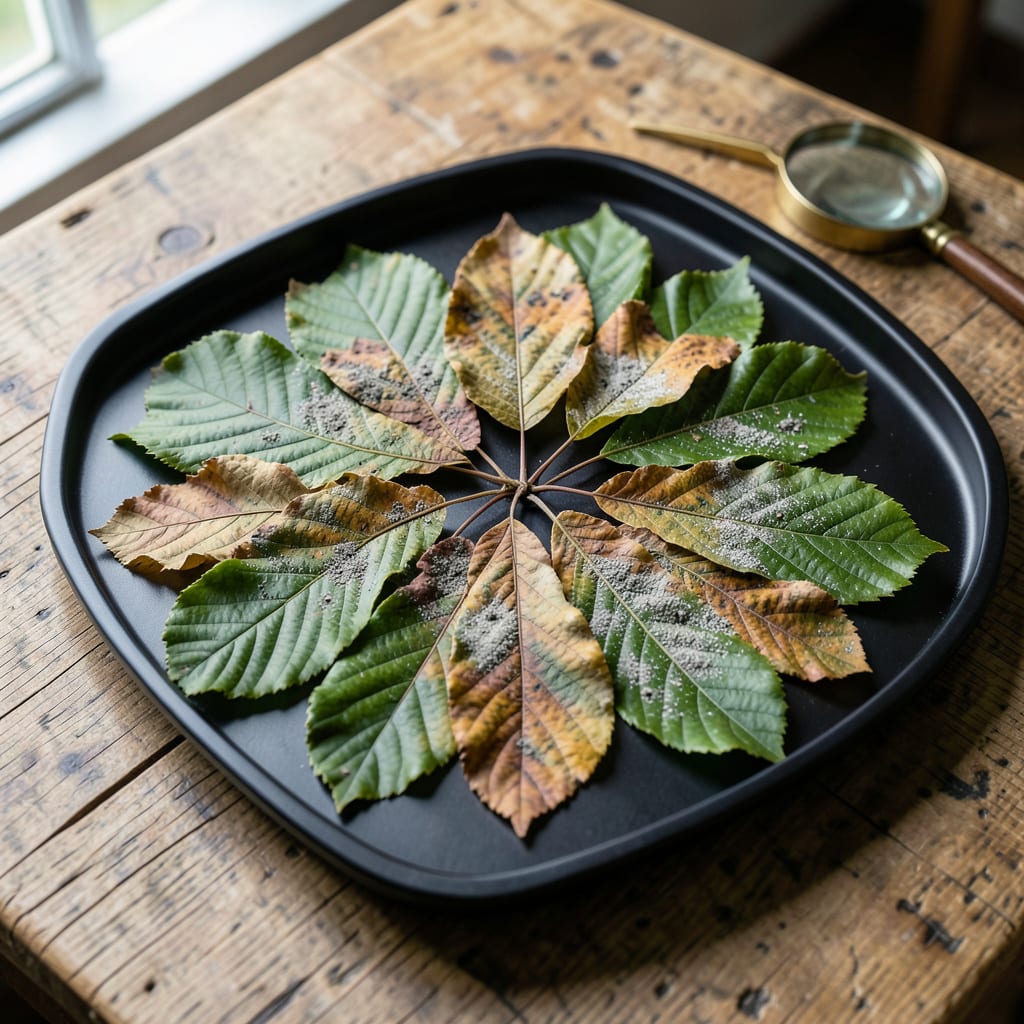
Spotted, curled, or discolored leaves on your river birch mean trouble. I’ve seen firsthand how quickly leaf spot or anthracnose can spread, turning a healthy tree into a skeleton of its former self.
Diagnosing starts with the patterns—purple-brown splotches, black veins, or yellow halos each point to different culprits. The good news? Most issues are fixable with the right approach, and early action saves years of growth.
You’ll learn to match symptoms to solutions, from pruning infected branches to adjusting watering habits. Within 2-3 weeks of treatment, new growth often emerges clean and vibrant.
Works for young saplings and mature trees alike. Clear photos and simple steps make identification foolproof.
River birch leaf diseases often stem from a mix of environmental stresses, fungal invaders, and cultural practices. Below are the most common causes, explained with actionable insights to help you diagnose and address them.
Fungi like Marssonina betulae (leaf spot) and Apiognomonia veneta (anthracnose) thrive in wet, humid conditions. These pathogens infect leaves through stomata or wounds, causing dark spots, blight, or premature defoliation. Action: Improve air circulation, avoid overhead watering, and apply fungicides (e.g., copper-based) at the first sign of infection.
Drought, waterlogging, or extreme heat weaken river birch trees, making them susceptible to secondary infections. Poor drainage, in particular, creates a breeding ground for root rot (Phytophthora spp.), which can manifest as yellowing leaves or dieback. Action: Ensure consistent moisture (1–1.5 inches of water weekly) and amend heavy clay soils with organic matter.
Sap-sucking pests like aphids and birch leaf miners stress the tree, leaving it vulnerable to disease. Their feeding damage also creates entry points for fungi. Action: Monitor for sticky residue (honeydew) or curled leaves, and treat with horticultural oil or insecticidal soap as needed.
Improper planting depth, soil compaction, or nutrient deficiencies (e.g., iron chlorosis in alkaline soils) can trigger leaf discoloration and decline. Action: Plant at the correct depth (root flare visible), mulch to retain moisture, and test soil pH, amending with sulfur or iron chelates if needed.
If your river birch leaves are showing signs of disease, quick action can save your tree. Below are targeted solutions for common causes, along with prevention tips to keep your tree thriving.
Early intervention is key—monitor your tree weekly during the growing season and act at the first sign of trouble!
Look for purple-brown spots, black veins, or yellow halos on leaves. Early signs often include curling or wilting. Catching these symptoms early can prevent further spread.
Yes, waterlogging stresses the tree and creates ideal conditions for fungal growth like root rot. Ensure proper drainage and water only 1-1.5 inches weekly.
Improve air circulation by pruning crowded branches and avoid overhead watering. Remove fallen leaves in autumn to reduce fungal spores.
Yes, cultivars like ‘Heritage’ or ‘Dura-Heat’ show better resistance to common leaf diseases. Consider these for new plantings.
