
Beautiful Plants For Your Interior
Beautiful Plants For Your Interior
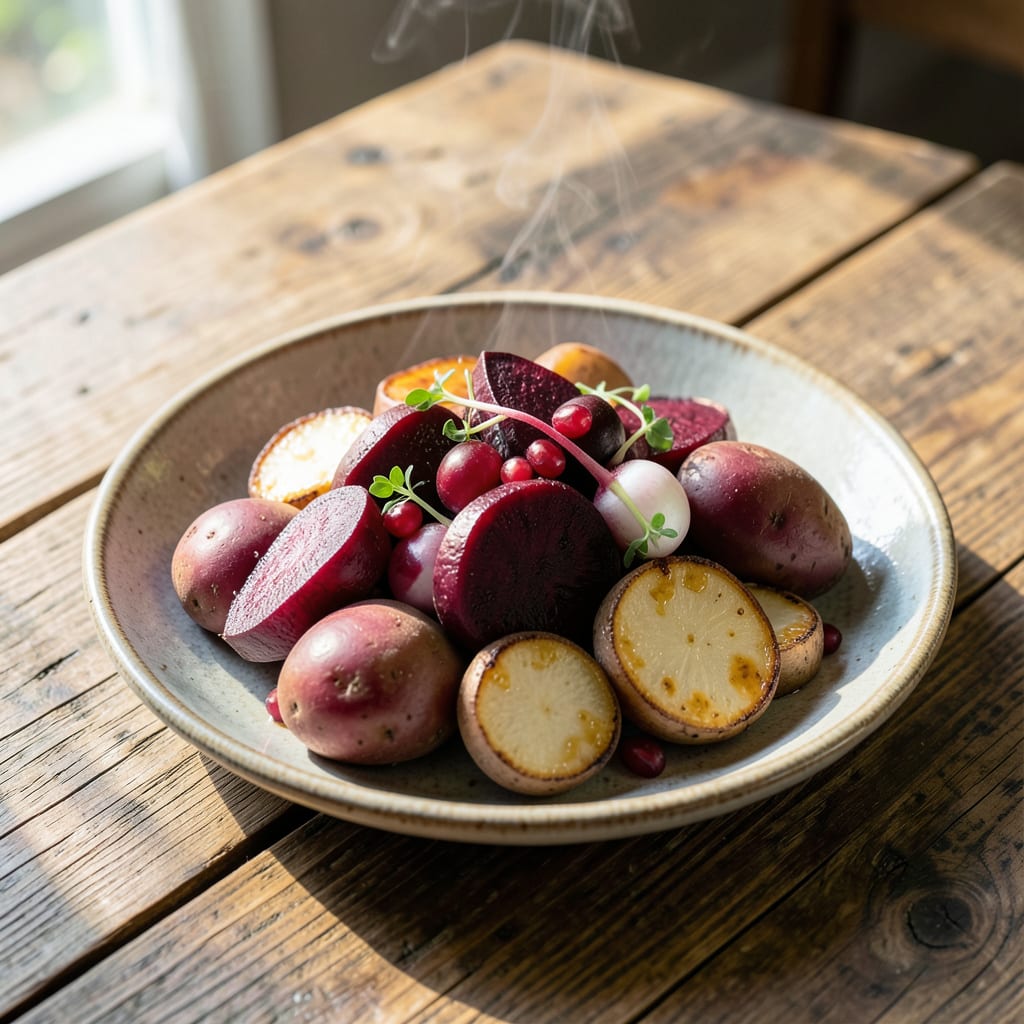
That first pull of a ruby-red root from the soil never gets old. I’ve grown beets, radishes, and carrots with crimson skins for years, and the thrill of that vibrant harvest hasn’t faded.
The secret starts with loose, well-draining soil—roots need room to stretch. Most red varieties thrive in full sun but tolerate partial shade, and consistent moisture prevents woody textures.
You’ll see sprouts in 5-10 days for radishes, 2-3 weeks for beets and carrots. Thin seedlings early to avoid crowding, and you’ll be rewarded with plump, colorful roots.
Works in raised beds, containers, or directly in the ground. Here’s how to get started with the easiest, most rewarding varieties.
The vibrant red skin on root vegetables like beets or radishes isn’t random—it’s a fascinating interplay of genetics, environment, and plant biology. Here’s why it happens:
Some root vegetables are naturally programmed to produce anthocyanins, the pigments responsible for red, purple, or blue hues. These compounds are part of the plant’s genetic code, especially in varieties like Chioggia beets or Red Ace radishes. If the seed is bred for red skin, the plant will almost always express it.
Sunlight triggers phenolic compound production, including anthocyanins, as a protective mechanism. When the top of the root (exposed to light) gets more sun, it often deepens in color. This is why partially uncovered roots in loose soil may develop a richer red hue.
Cooler temperatures (50–60°F) enhance anthocyanin synthesis, leading to more intense red skin. Heat stress can sometimes mute these colors, while consistent mild conditions (like in spring or fall) bring out the boldest tones.
Slightly acidic to neutral soil (pH 6.0–7.0) helps maintain vibrant red pigments. Nutrient imbalances—like nitrogen deficiency or phosphorus excess—can alter color intensity. A balanced fertilizer (10-10-10) supports optimal pigment development.
When your red-skinned root crops show trouble, quick action and smart habits keep them thriving. Below are targeted fixes for the most frequent problems, paired with prevention tips to stop them from returning.
Fix: Ensure consistent sunlight (6–8 hours daily) and check soil pH—root veggies prefer slightly acidic to neutral (6.0–7.0). Add compost to boost nutrients if the soil is poor. If the issue is sun scald, use shade cloth during peak afternoon heat.
Prevent: 💡 Rotate crops yearly to avoid nutrient depletion, and mulch with straw to regulate soil temperature and moisture.
Fix: Water deeply but less frequently to encourage steady growth. If cracks appear, harvest immediately to prevent spoilage. For existing plants, maintain even moisture—drip irrigation works best to avoid fluctuations.
Prevent: 🌡️ Avoid over-fertilizing with nitrogen, which spurs rapid growth. Test soil moisture with your finger before watering—keep it like a wrung-out sponge.
Fix: Handpick visible pests like flea beetles or cutworms early in the morning. For underground invaders (e.g., root maggots), apply beneficial nematodes or diatomaceous earth around the base. Row covers can block adult flies from laying eggs.
Prevent: ✨ Plant companion herbs like rosemary or thyme to deter pests naturally. Remove garden debris promptly to eliminate hiding spots.
Fix: Loosen compacted soil gently with a fork to improve aeration. If wilting persists, check for fungal diseases—remove affected leaves and avoid overhead watering. A balanced fertilizer (10-10-10) can revive nutrient-deficient plants.
Prevent: 🎯 Space plants according to guidelines (usually 2–4 inches apart) to reduce competition. Water at the base in the morning so foliage dries quickly.
Popular examples include beets, radishes, and certain carrot varieties. Beets like Detroit Dark Red are classic, while Watermelon radishes surprise with their vibrant interior. All thrive in similar growing conditions.
Sow seeds ½ to 1 inch deep in loose, well-draining soil. Deeper planting can slow germination, while too shallow may expose seeds to drying out. Keep soil consistently moist until sprouts appear.
Lack of sunlight or nutrient imbalance often causes this. Ensure 6-8 hours of sun daily and test soil pH (aim for 6.0-7.0). Adding compost can restore vibrant color.
Yes! Choose containers at least 12 inches deep for beets and radishes. Use quality potting mix and ensure drainage holes exist. Dwarf varieties work best for limited spaces.
