
Beautiful Plants For Your Interior
Beautiful Plants For Your Interior
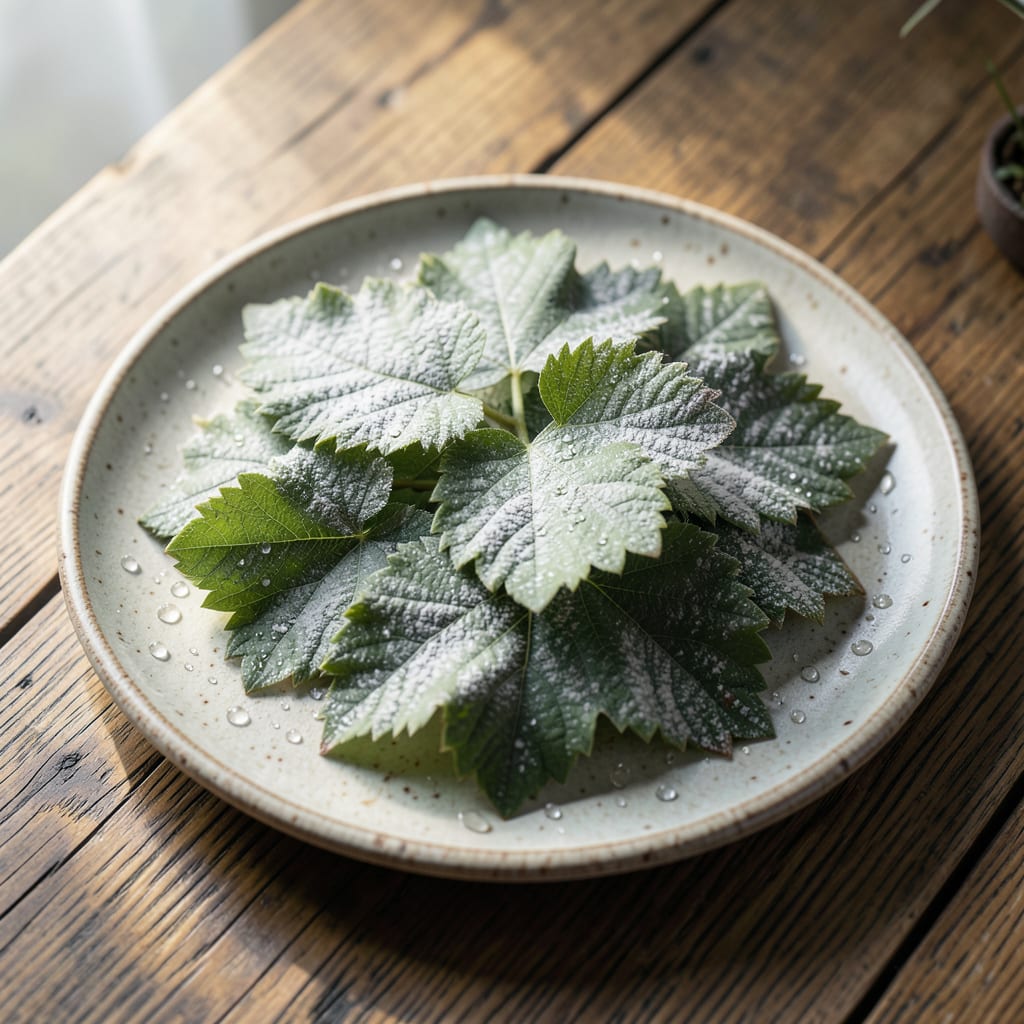
That white dust on your grape leaves isn’t flour—it’s trouble. Powdery mildew spreads fast, turning healthy vines into powdered sugar coatings overnight.
I’ve lost entire harvests to this fungus before learning the organic fixes that actually work. The key is catching it early, before it stunts growth and ruins fruit. Simple sprays and cultural tweaks stop it in its tracks.
Within 48 hours of treatment, you’ll see the spread slow dramatically. Consistent application means your vines bounce back with clean, vibrant leaves by the next growth cycle.
Works for backyard arbors, vineyard rows, or even container grapes on your patio.
Powdery mildew on grape leaves thrives under specific environmental and biological conditions. Understanding these triggers helps you prevent and manage outbreaks effectively.
The fungus Erysiphe necator (formerly Uncinula necator) flourishes in environments with 60-80% relative humidity and temperatures between 68-86°F (20-30°C). Unlike other fungal diseases, powdery mildew does not require free water to germinate—high humidity alone is sufficient. This is why grapevines in crowded canopies or shaded areas are particularly vulnerable.
Dense vine canopies, overgrown foliage, or improper pruning restrict airflow, creating a microclimate that traps moisture and heat. Stagnant air prevents spores from dispersing and allows them to settle on leaves, where they quickly colonize. Pruning to open the canopy is a critical preventive measure.
Some grape cultivars are genetically more prone to powdery mildew. Vitis vinifera varieties like Chardonnay, Cabernet Sauvignon, and Pinot Noir are highly susceptible, while native American species (e.g., Vitis labrusca) often show greater resistance. If you’re growing vulnerable varieties, proactive monitoring and early intervention are essential.
While powdery mildew doesn’t need water to infect, late-day irrigation or overhead watering can prolong leaf wetness, indirectly encouraging spore germination. Drip irrigation or watering early in the day allows foliage to dry quickly, reducing risk.
The fungus overwinters as mycelium in dormant buds or as cleistothecia (survival structures) on bark and leaf litter. In spring, these release spores that infect new growth. Sanitizing pruning tools and removing infected plant debris after harvest disrupts this cycle.
Powdery mildew on grape leaves can be tackled effectively with the right approach. Below are targeted solutions based on the underlying causes, along with prevention tips to keep your vines healthy.
Trim dense foliage and thin out excess growth to improve airflow around your grapevines. Space plants at least 6 feet apart to reduce humidity buildup. This simple step can significantly lower the risk of mildew development.
Prevention Tip: 💡 Regularly prune suckers and water shoots to maintain an open canopy.
Wet leaves are a breeding ground for powdery mildew. Avoid overhead watering and opt for drip irrigation at the base of the plant. Water early in the morning so foliage dries quickly.
Prevention Tip: 💧 Use a soaker hose to deliver water directly to the roots, keeping leaves dry.
If your vineyard is in a humid climate, increase ventilation by staking vines or using trellises. This elevates the foliage, allowing air to circulate freely.
Prevention Tip: 🌬️ Plant in a sunny, breezy location to naturally reduce humidity around the leaves.
For existing infections, spray affected leaves with neem oil, baking soda solution (1 tbsp baking soda + 1 tsp dish soap + 1 gallon water), or sulfur-based fungicides. Apply in the early morning or late evening to avoid leaf burn.
Prevention Tip: ✨ Treat vines preventatively every 7–10 days during the growing season, especially after rain.
Strengthen your grapevines with balanced fertilization and proper care. Healthy plants are more resistant to diseases. Avoid over-fertilizing with nitrogen, as it promotes tender growth that’s more susceptible to mildew.
Prevention Tip: 🌱 Use compost or organic matter to improve soil health and plant vigor.
It appears as white, powdery spots on the upper surface of grape leaves. These patches spread quickly, covering entire leaves and stems if untreated.
Yes, but wash them thoroughly first. The fungus is mostly superficial, but severe cases can affect fruit quality. Remove heavily infected clusters to prevent spread.
Apply organic fungicides like neem oil or sulfur every 7-10 days during humid weather. Increase frequency if rain is frequent or infections persist.
The fungus overwinters in leaf debris and buds. Clean up fallen leaves in autumn and sanitize pruning tools to break the cycle.
