
Beautiful Plants For Your Interior
Beautiful Plants For Your Interior
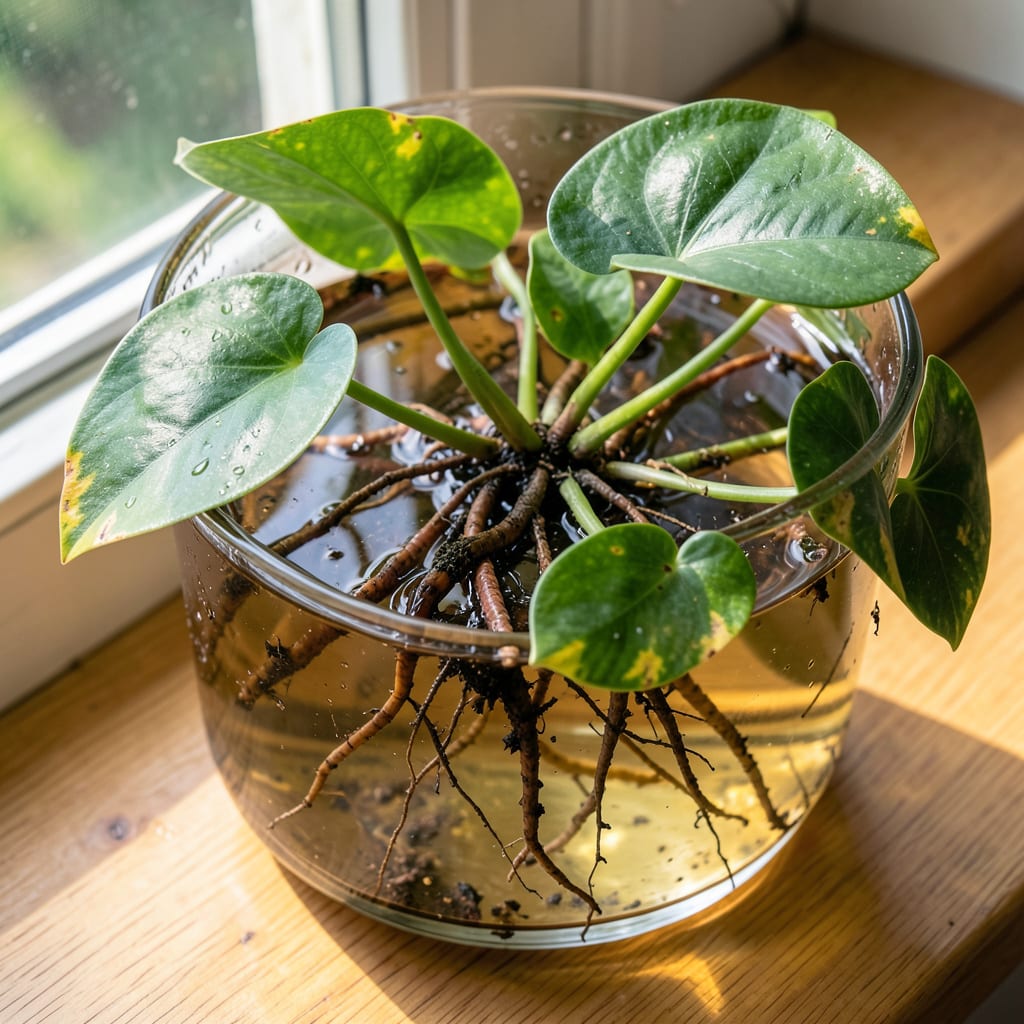
Yellowing leaves and mushy stems spell trouble for water propagated pothos. I learned the hard way that root rot starts subtle—just one brown tip or a single droopy vine before it spreads fast.
This happens when roots sit too long in water without oxygen or fresh circulation. Most people don’t realize their clear jar setup is actually suffocating the plant they’re trying to grow.
Catch it early and you can save your pothos with a simple rescue plan that takes 10 minutes. The key is acting before the rot reaches the main stem.
Works for any water-propagated plant showing these signs. Here’s exactly how to diagnose and fix it.
Root rot in water-propagated pothos occurs due to a combination of biological and environmental factors. Here’s a breakdown of the primary causes:
Stagnant water creates an ideal breeding ground for Pythium, Phytophthora, and Fusarium—common soil-borne pathogens that thrive in oxygen-poor conditions. These microbes attack the roots, breaking down cell walls and causing decay. Without proper water changes or circulation, their populations explode, overwhelming the plant’s defenses.
Pothos roots need oxygen to respire. In still water, dissolved oxygen depletes quickly, especially in warm or crowded conditions. Anaerobic (low-oxygen) environments stress the roots, making them more susceptible to infections. Aeration—via bubbles or frequent water refreshes—can mitigate this.
Water that’s too warm (above 75°F/24°C) accelerates microbial growth, while cold water (below 60°F/15°C) slows root metabolism, reducing their ability to fight rot. Insufficient light also weakens the plant, leaving it vulnerable. Maintain stable conditions to discourage pathogens.
Reusing unsterilized jars, scissors, or even water from previous propagations can introduce spores or bacteria. Always clean tools with rubbing alcohol and use fresh, filtered water to minimize contamination risks.
Root rot in water-grown pothos is often reversible if you act fast. Below are targeted fixes for the most common causes, along with prevention tips to keep your plant thriving.
If your pothos sits in murky or stale water, the roots suffocate. Drain the container, rinse the roots gently under lukewarm water, and refill with fresh, room-temperature water. Use filtered or distilled water if your tap water is hard to prevent mineral buildup.
Prevention tip: 💡 Change the water every 1-2 weeks, or sooner if it looks cloudy. Trim any slimy or brown roots before replacing the water.
Cold water or dim light slows root growth, making them more prone to rot. Move your pothos to a spot with bright, indirect light and keep the water temperature consistent (65–75°F). Avoid drafty windows or AC vents.
Prevention tip: ✨ Rotate the jar occasionally so all sides of the plant get even light exposure.
Algae or bacterial growth on the container walls can spread to the roots. Scrub the jar with mild soap and warm water, then rinse thoroughly. For stubborn buildup, use a 1:10 bleach-water solution (rinse well afterward).
Prevention tip: 🎯 Opt for clear glass or plastic to monitor root health easily, and clean the container every time you change the water.
If most roots are mushy and black, the plant may not recover. Snip healthy stems just below a node and place them in fresh water to regrow roots. Discard the rotted portion to prevent the issue from spreading.
Prevention tip: 🌡️ Always use sharp, sterilized scissors to avoid introducing new bacteria.
Refresh every 1-2 weeks or sooner if cloudy. This prevents oxygen depletion and bacterial growth.
Trim the rotten roots and propagate healthy cuttings in fresh water. Discard any mushy stems to stop the spread.
Brown roots often mean early rot from stagnant water or contamination. Check water freshness and container cleanliness.
Filtered or distilled is best. Tap water may contain chlorine or minerals that stress roots over time.
