
Beautiful Plants For Your Interior
Beautiful Plants For Your Interior
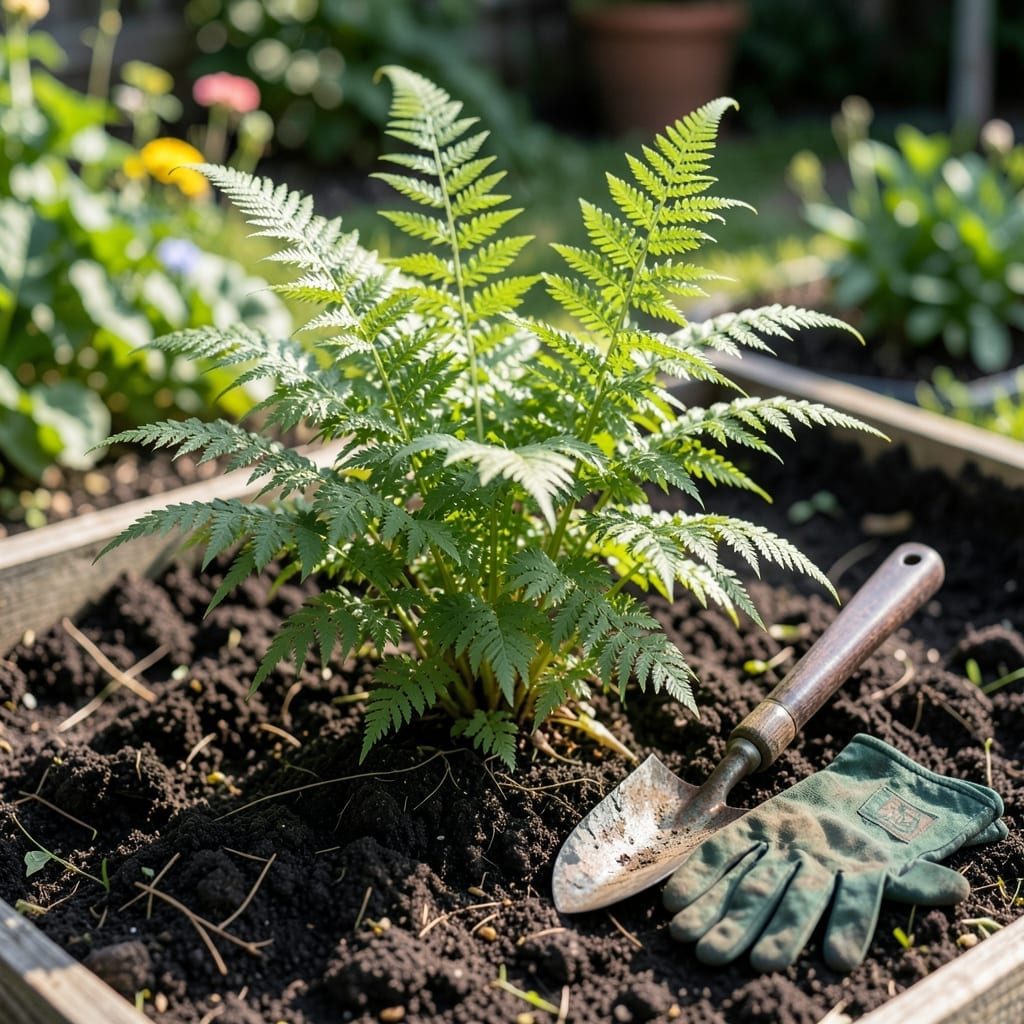
I transformed my shady backyard corner with ostrich ferns. These shade-tolerant plants thrive where others struggle, and their unfurling fiddleheads are a spring delicacy.
Plant them in moist, rich soil about 1-2 feet apart, and keep the soil consistently damp. They’ll reward you with lush, arching fronds and a reliable harvest for years.
📚 In This Guide
This method delivers reliable results with minimal effort and maximum fiddlehead yield.
Ostrich fern thrives in partial to full shade, making it perfect for north-facing slopes or areas under tree canopies. I look for spots with rich, moist but well-draining soil—avoid low areas where water pools or heavy clay that suffocates the crowns.
The soil pH should be 5.0-6.5 for optimal growth. Test with a kit if you’re unsure; amending with compost usually brings it into range. Watch for existing ferns or moss—these indicate the moisture and light conditions are ideal for ostrich fern.
Real talk: if your chosen spot gets more than 2-3 hours of direct sun, the fronds will scorch and the rhizomes will struggle. Morning sun is tolerable, but harsh afternoon exposure is a death sentence for this shade specialist.
Clear the area of weeds and debris, then loosen the soil to a depth of 12-15 inches. I work in a 3-4 inch layer of organic matter like leaf mold or well-rotted compost—ostrich fern is a heavy feeder and responds dramatically to rich soil.
Space the rhizomes 18-24 inches apart to allow for their eventual 3-5 foot spread. If planting multiple rows, leave 3 feet between rows for easy access and air circulation. The crowns should sit just below soil level—burying too deep causes rot, while planting too shallow exposes them to drying out.
Dig a hole wide enough to accommodate the rhizome without bending the roots. Place it horizontally with the buds facing upward—this orientation is critical for proper frond emergence. Backfill with the amended soil, pressing gently to eliminate air pockets.
Water thoroughly after planting until the soil is saturated to a depth of 6 inches. I’ve found that a 2-inch layer of mulch (shredded leaves or bark) helps retain moisture and suppress weeds, but keep it 2-3 inches away from the crown to prevent rot.
Keep the soil consistently moist but not waterlogged during the first growing season. Ostrich fern has shallow roots, so 1 inch of water per week is ideal—more in extreme heat. The fronds will tell you when they’re stressed: drooping in afternoon heat is normal, but wilting that persists into morning means they need water.
Here’s the thing—once established, ostrich fern is quite drought-tolerant, but the first year is critical. I check soil moisture by pushing my finger 1 inch deep; if it feels dry, it’s time to water. Drip irrigation works beautifully for even, consistent moisture without wetting the fronds.
Fertilize lightly in early spring with a balanced organic fertilizer as new fronds emerge. I use 1 pound per 100 square feet and scratch it into the soil surface. Avoid high-nitrogen fertilizers—they promote lush growth that’s more susceptible to pests and diseases.
Remove dead fronds in late winter before new growth starts. This keeps the planting tidy and reduces hiding spots for slugs, which love ostrich fern. Divide clumps every 3-4 years in early spring to maintain vigor and prevent overcrowding. The division process also gives you free plants to expand your patch or share with friends.
Small details make the difference between struggling plants and a thriving fern patch.
The Shade Factor: In Step 1, true partial to full shade is non-negotiable. I learned this the hard way when my first batch crisped in morning sun. Look for areas where dappled light filters through trees or where buildings create consistent shade throughout the day.
Depth Discipline: That 1 inch crown height in Step 3 isn’t arbitrary. Confession: I buried my first ferns too deep and lost half to rot. Use a ruler if needed—set the crown exactly 1 inch above soil level, no deeper, no shallower. Your future self will thank you.
Moisture Monitoring: The 2-3 times per week watering in Step 4 assumes average conditions. In extreme heat, you might need daily watering. Conversely, skip watering if rain has penetrated those critical 6 inches deep. Always check soil moisture at the 2-inch depth as directed—this simple test prevents both drowning and drought.
Weed Warfare: Those first 6-8 weeks in Step 5 are make-or-break. I’ve seen promising ferns choked out by creeping Charlie. Create a 12-inch weed-free zone around each plant and refresh it weekly. A thin layer of mulch helps but doesn’t replace vigilance.
Plant ostrich ferns in early spring or fall when the soil is cool and moist. This gives the roots time to establish before summer heat or winter frost. Avoid planting in extreme temperatures for best results.
Ostrich ferns thrive in partial to full shade, making them perfect for wooded or north-facing areas. They can tolerate morning sun but prefer dappled or indirect light to prevent frond scorching.
Yes! Use a large pot with well-draining soil and keep it in a shady spot. Ensure the container stays consistently moist, as potted ferns dry out faster than those in the ground.
Brown fronds often signal underwatering, too much sun, or poor soil moisture. Check the soil’s dampness and adjust watering. Trim damaged fronds to encourage healthy new growth.