
Beautiful Plants For Your Interior
Beautiful Plants For Your Interior
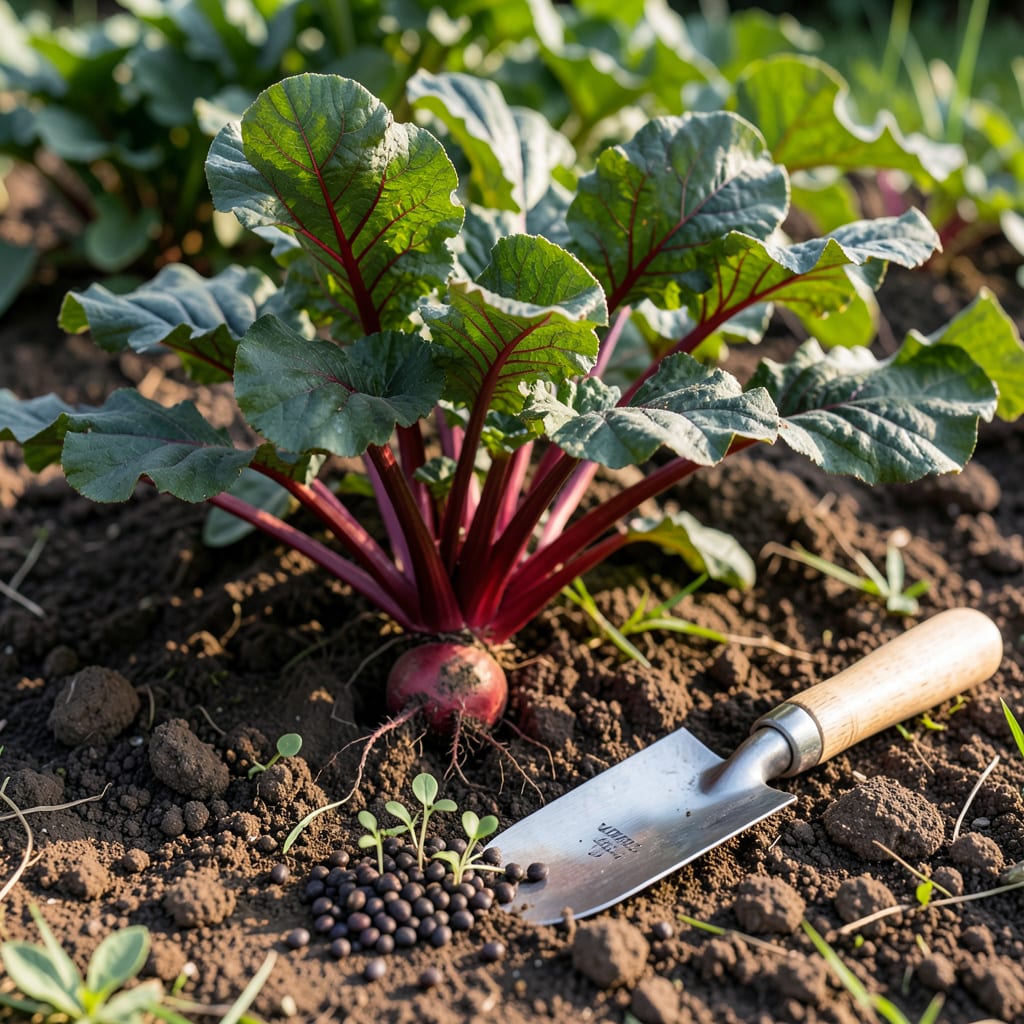
There’s nothing quite like pulling sweet 🥬 Beets from the soil as the air turns crisp in fall. With the right timing, you can enjoy a bountiful harvest just as other crops wind down.
I’ll show you exactly when to plant and how to care for your Beets so they thrive in the cooler months. Let’s get started on your most flavorful fall garden yet.

Timing is everything when planting beets for fall harvest. I always aim to sow 8-10 weeks before the first expected frost in my area. This gives the roots enough time to mature before the cold sets in.
In most regions, August and September are ideal months. For USDA Zone 6a, I start planting in mid-August to ensure a sweet, tender harvest by October or November.
| Requirement | Specification |
|---|---|
| Ideal Months | August, September |
| Planting Window | 8-10 weeks before frost |
| Days to Maturity | 50-75 days |
| Harvest Time | October-November |
| Sun Needs | Full sun, 6+ hours |
If you live in a warmer climate, you can push planting into early October. Just ensure the beets have at least 50 days of growth before the first hard frost hits.
For cooler zones, like Zone 5 or below, start earlier in late July. This accounts for the shorter growing season and ensures your beets reach maturity before winter.
I always check my local frost dates and count backward. Beets grow best in soil temperatures between 50-85°F, so avoid planting during extreme heat.
If you miss the ideal window, don’t worry. Beets are cold-hardy and can tolerate light frosts. In fact, a light frost can enhance their sweetness by converting starches to sugars.
For succession planting, I sow a new batch every 2-3 weeks until mid-September. This staggered approach ensures a continuous harvest rather than one large batch.
Remember, beet greens are edible too! If you plant late, you can still enjoy the tender leaves even if the roots don’t fully mature. 🌱
Finally, always monitor soil moisture in the fall. Cooler temperatures mean less evaporation, so adjust your watering schedule to prevent over-saturation.
To get the sweetest fall beets, I always start with rich, well-draining soil. Work in 2-3 inches of compost before planting to boost nutrients and improve texture for root development.
Sow beet seeds about ½ inch deep and 2-3 inches apart. Since each seed is actually a cluster, thin seedlings to 3-4 inches apart once they sprout to prevent overcrowding.
I find that consistent moisture is key for tender beets. Water 1-2 inches per week, especially during dry spells. Morning watering helps prevent fungal issues as temperatures drop.
Add a 2-inch layer of mulch around plants to retain soil warmth and moisture. This is especially helpful in cooler climates where nights get chilly early in the season.
For extra sweetness, I reduce watering slightly in the final 2 weeks before harvest. This concentrates the sugars in the roots, giving you that perfect fall flavor we all love.
Even experienced gardeners can stumble when planting beets for fall harvest. The most common mistake I see is planting too late in the season, which leaves roots underdeveloped before frost.
Another frequent issue is overcrowding seeds. Beets need 3-4 inches of space between plants to develop properly. When sown too densely, they compete for nutrients and sunlight.
⚠️ Avoid These Fall Beet Pitfalls
Planting too late can result in small, immature beets. Always count backward from your first frost date to ensure adequate growing time.
Overcrowding leads to stunted growth. Thin seedlings to 3-4 inches apart for best results.
Neglecting soil prep can limit root development. Loosen soil to 12 inches deep before planting.
Neglecting soil preparation is another critical error. Beets need loose, well-draining soil to grow straight and smooth. I always loosen the soil to 12 inches deep and remove rocks that could deform the roots.
Inconsistent watering can cause woody or bitter beets. I maintain even moisture without waterlogging, especially during the first few weeks after sowing. Drought stress leads to tough, unappetizing roots.
Finally, ignore the temptation to over-fertilize. Too much nitrogen promotes leafy growth at the expense of roots. I use a balanced 5-10-10 fertilizer sparingly, focusing on phosphorus for root development. 🌱
Sow seeds up to 8-10 weeks before your first expected frost. In most zones, this means mid-August to early September for a November harvest.
Yes! A light frost converts starches to sugars, enhancing sweetness. However, harvest before a hard freeze to prevent damage to the roots.
Beets thrive in 50-85°F soil. Avoid planting in extreme heat, as it can stress seedlings. Cooler fall temps often produce the best flavor.
Use a container at least 12 inches deep with well-draining soil. Keep it in full sun and water regularly for tender roots.
