
Beautiful Plants For Your Interior
Beautiful Plants For Your Interior
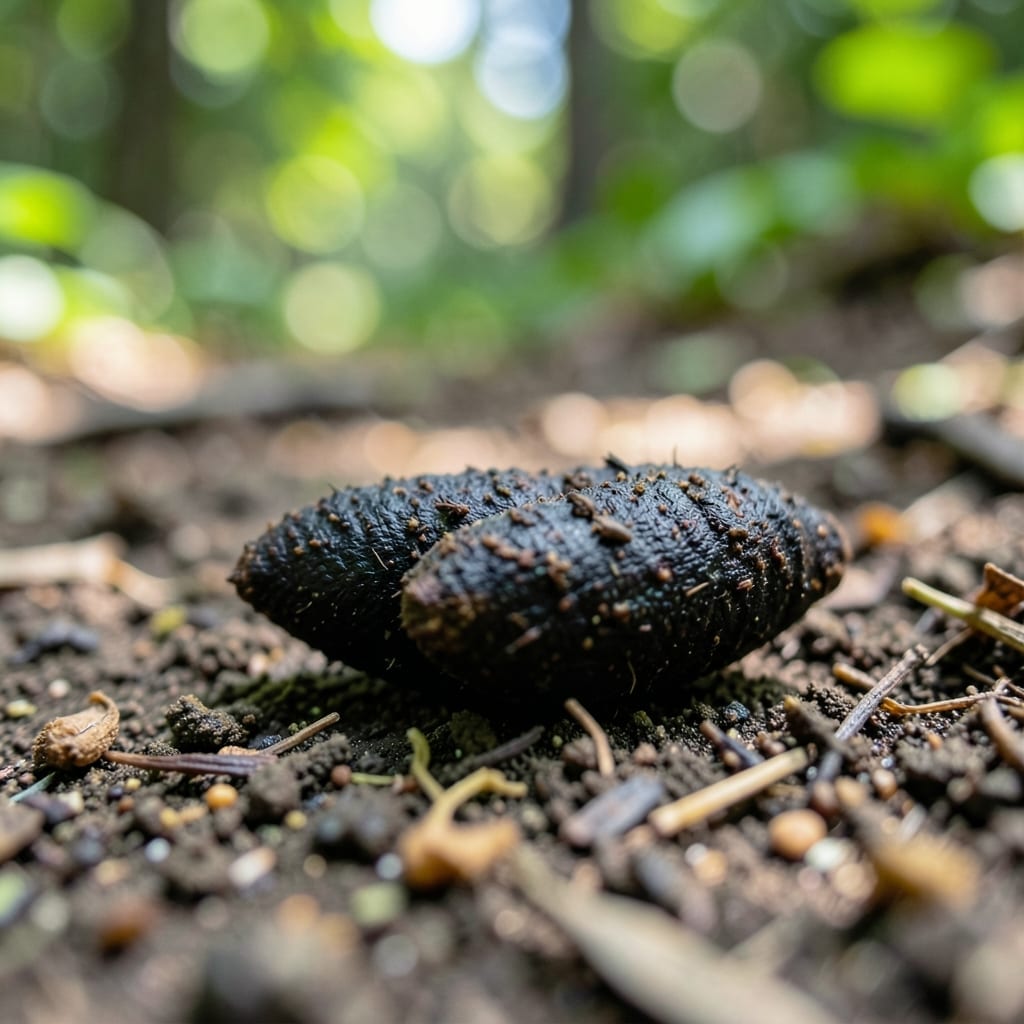
Spotting deer scat in your garden means dinner’s been served for free. 🌱 I’ve learned to recognize those little dark pellets as the calling card of midnight visitors munching on my hostas and daylilies.
The piles are usually small, dark, and slightly shiny when fresh. Unlike rabbit droppings, they’re oblong and often clustered together. Finding them near chewed foliage confirms your uninvited guests.
You’ll want to remove it quickly—it can carry parasites and attract more deer. A simple rake and disposal in a sealed bag keeps your yard clean and less appealing.
Check the edges of wooded areas or near plant beds at dawn. That’s when the evidence is freshest and the trail is easiest to follow.
Deer scat, or droppings, appears in your yard or garden for a few natural and environmental reasons. Understanding these causes helps you address the issue effectively. Below are the primary factors behind why deer leave scat in specific areas.
Deer are herbivores, and their diet consists of leaves, twigs, fruits, and grass. Their digestive system processes plant material quickly, resulting in frequent defecation. The high fiber content in their diet means they produce small, pellet-like scat as a byproduct of efficient digestion.
Deer use scat to mark their territory. By leaving droppings in specific areas, they communicate their presence to other deer, reducing conflicts over resources like food and mating partners. This behavior is more common in male deer (bucks) during the breeding season.
Deer are creatures of habit, often following the same paths (called trails) between feeding and resting areas. These trails may pass through your property, leading to repeated scat deposits. If your yard is part of their route, you’ll likely notice clusters of droppings along their path.
Weather and seasonality influence deer activity. During droughts or food shortages, deer may venture closer to human areas in search of water or edible plants, increasing the likelihood of scat in your space. Similarly, mild winters can keep deer active year-round, rather than migrating to warmer areas.
Deer scat can be an eyesore in your yard or garden, and it may even attract other pests. Here’s how to tackle the problem effectively and prevent it from recurring.
Use a shovel or disposable gloves to pick up the scat—never handle it bare-handed. Place the waste in a sealed plastic bag and dispose of it in the trash. For stubborn stains, spray the area with a 50/50 water-vinegar mix to neutralize odors and disinfect.
Fencing is the most reliable long-term solution. Install a 8-foot-tall fence around gardens or vulnerable areas. For a quicker fix, try motion-activated sprinklers or commercial deer repellents (look for ones with putrescent eggs or garlic oil).
Natural deterrents like lavender, marigolds, or mint plants can also discourage deer from lingering.
Pro tip ✨: If deer are frequent visitors, consider planting deer-resistant varieties like daffodils, boxwood, or Russian sage.
Deer scat is oblong and slightly pointed, often in small clusters. Rabbit droppings are round and uniform. Deer pellets also tend to be shinier and larger when fresh.
It can carry parasites like E. coli or salmonella. Always use gloves or a shovel when handling, and wash hands thoroughly afterward.
Deer follow the same trails between feeding areas. They often return to the same spots to mark territory or rest, leaving scat as a signpost.
Remove it immediately and consider installing a tall fence or using repellents. Deer are likely nearby and may target your plants next.