
Beautiful Plants For Your Interior
Beautiful Plants For Your Interior
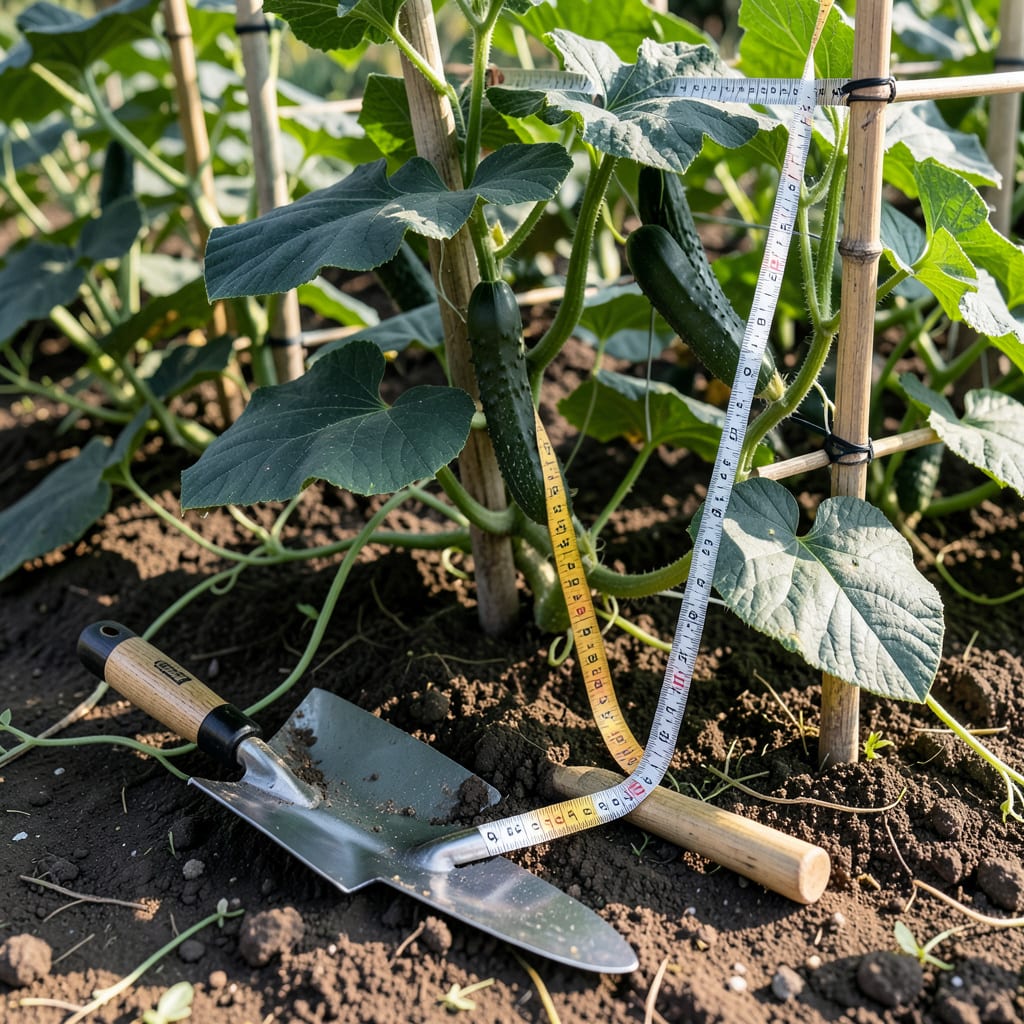
Proper spacing transforms your Pickling Cucumber 🥒 harvest from lackluster to bountiful. Crowded plants struggle for sunlight and nutrients, crippling growth.
I’ll show you the optimal layout for healthy vines and maximum yield, whether you’re planting in rows or using trellises. Let’s give your cucumbers the room they need to thrive.

Proper pickling cucumber plant spacing ensures healthy vines and maximum yield. Bush varieties typically need 2-3 feet between plants, while vining types thrive with 3-5 feet for proper air circulation.
Row spacing is equally important. I recommend 4-5 feet between rows for easy access and to prevent disease spread. This layout also allows for efficient watering and nutrient distribution.
| Variety | Plant Spacing | Row Spacing |
|---|---|---|
| Bush | 2-3 feet | 4 feet |
| Vining | 3-5 feet | 5 feet |
| Trellised | 1-2 feet | 3 feet |
For trellised cucumbers, you can reduce plant spacing to 1-2 feet since vertical growth saves space. This method also improves airflow and reduces foliar diseases like powdery mildew.
In raised beds, I suggest 12-18 inches between plants. The confined space means you’ll need to monitor soil moisture more closely to prevent competition for water.
If you’re growing in containers, stick to one plant per 5-gallon pot. This ensures the roots have enough room to access nutrients without stress.
Companion planting can also influence spacing. I like pairing cucumbers with radishes or beans, which can tolerate closer quarters. Just avoid planting near potatoes, as they compete aggressively.
Remember, overcrowding leads to smaller yields and weaker plants. If you’re unsure, it’s better to space plants farther apart than risk stunting their growth.
Finally, always check the seed packet for variety-specific recommendations. Some newer hybrid varieties may have slightly different spacing needs to optimize their genetic potential. 🌱
With the right spacing, your pickling cucumbers will thrive, producing crisp, flavorful fruits all season long. Happy gardening! 🌿
I see many gardeners struggle with spacing their pickling cucumbers properly. Overcrowding leads to poor airflow and disease spread, while under-spacing wastes valuable garden space.
Small gardens often push plants too close, but 12-24 inches apart is ideal for most varieties. Any tighter and you risk nutrient competition and stunted growth.☀️
⚠️ Spacing Pitfalls
Avoid planting too close to fences or walls. Vining cucumbers need room to sprawl or climb. In containers, use 5-gallon minimum per plant.
For bush varieties, I recommend 2 feet apart in all directions. They stay compact but still need good air circulation to prevent powdery mildew.
Trellised cucumbers can be spaced at 12 inches since they grow vertically. This method also makes harvesting easier and reduces fruit rot from soil contact.
In raised beds, I’ve found staggered planting works well. Space plants 18 inches apart in a grid pattern for maximum yield without overcrowding.
Remember, consistent watering is key regardless of spacing. Drip irrigation helps prevent foliar diseases in tightly spaced plantings. Keep soil moist but not soggy for best results.🌱
Choosing between trellising and ground growth significantly impacts your pickling cucumber spacing. Vertical growing saves space, allowing 1-2 feet between plants since vines grow upward rather than outward.
For ground growth, I maintain 3-5 feet between vining plants. This gives runners room to spread without competing for sunlight or nutrients. 🌱
Trellised plants also benefit from improved air circulation, which helps prevent fungal diseases like powdery mildew. I’ve found this method particularly effective in humid climates where moisture can be an issue.
Ground growth does have advantages. It requires less maintenance since you don’t need to train vines. Some gardeners also report slightly higher yields with ground-grown cucumbers in optimal conditions.
For small gardens, trellising is often the better choice. You can fit more plants in a smaller footprint while still maintaining good plant health and productivity. 🌿
Remember, whichever method you choose, consistent watering and fertilizing are key. Trellised plants may need more frequent watering as their roots can’t spread as far to find moisture.
Yes, but keep them at least 12-18 inches apart. Raised beds offer better drainage, but overcrowding still risks nutrient competition.
Good spacing ensures airflow, reduces disease risk, and prevents stunted growth. Crowded plants compete for sunlight and nutrients.
Use a 5-gallon container per plant. Ensure it has drainage holes and place it where it gets 6-8 hours of sunlight daily.
Trellising allows closer spacing of 1-2 feet between plants. Vertical growth saves space and improves air circulation, reducing disease.
