
Beautiful Plants For Your Interior
Beautiful Plants For Your Interior
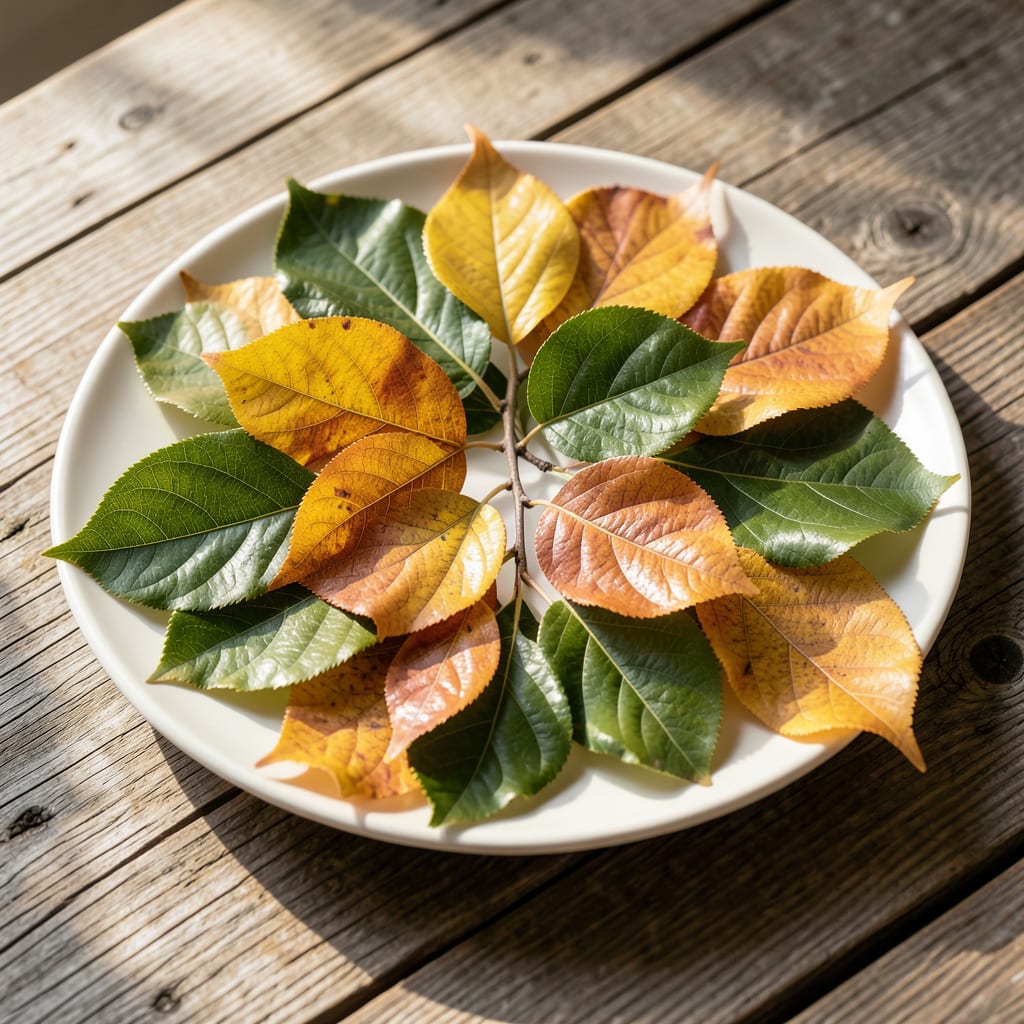
Yellow peach leaves aren’t just unsightly—they’re your tree’s way of waving a white flag. I’ve seen this happen to my own peach trees, and the causes range from too much love (overwatering) to not enough (nutrient deficiencies).
The usual suspects are nitrogen, iron, or magnesium shortages, but waterlogged roots or sneaky pests can mimic the same symptoms. The key is playing detective: check the leaf patterns, soil moisture, and any visible bugs before jumping to conclusions.
Once you pinpoint the issue, solutions are straightforward. A soil test often reveals the culprit, and targeted amendments or adjusted watering can turn things around in 2-3 weeks. Your tree’s health—and next season’s harvest—depends on it.
Prevention beats cure every time. Regular soil checks, proper drainage, and balanced fertilization keep leaves vibrant green and your peach tree thriving for years to come.
Peach leaves turn yellow due to several underlying issues, each with distinct triggers. Below are the most common causes, explained scientifically for clarity and actionable solutions.
Yellowing often signals a lack of essential nutrients. Nitrogen deficiency causes uniform yellowing (chlorosis) in older leaves first, as the tree mobilizes nitrogen to newer growth. Iron deficiency, common in alkaline soils (pH > 7.0), leads to interveinal chlorosis—yellowing between leaf veins—while veins stay green. Magnesium deficiency starts with yellowing at leaf edges, progressing inward. Test soil pH and amend with compost or chelated iron for quick correction.
Both overwatering and underwatering disrupt chlorophyll production. Overwatering suffocates roots, reducing oxygen uptake and nutrient absorption, while drought stress limits water-dependent photosynthesis. Check soil moisture 2–3 inches deep; it should feel moist but not soggy. Mulch with organic matter to retain even moisture.
Peach leaf curl (Taphrina deformans) causes yellow, puckered leaves in spring. Brown rot (Monilinia spp.) may lead to yellowing before leaf drop. These thrive in wet, cool conditions. Prevent with copper fungicide sprays in late winter and improve air circulation by pruning.
Sap-sucking pests like aphids and spider mites drain plant fluids, causing yellow stippling or mottling. Aphids excrete honeydew, promoting sooty mold, which further blocks sunlight. Inspect leaf undersides and use neem oil or insecticidal soap for control.
When your peach tree’s leaves start yellowing, the fix often comes down to addressing the root cause. Below are actionable solutions for the most common issues, paired with prevention tips to keep your tree thriving. 🌿
If a soil test reveals low nitrogen, phosphorus, or iron, correct it with a balanced fertilizer (10-10-10) or a targeted nutrient boost. For iron deficiency (common in alkaline soil), apply chelated iron as a foliar spray or soil drench. Prevention tip: Test soil annually and amend with compost to maintain fertility. 💡
Yellow leaves with soggy soil? Stop watering immediately and let the top 2-3 inches of soil dry out. If drainage is poor, mix in perlite or sand to loosen the soil. For potted trees, ensure pots have drainage holes. Prevention tip: Water deeply but only when the soil is dry—peach trees hate wet feet! 🌧️
For aphids or mites, blast them off with a strong water spray or apply neem oil weekly until gone. Scale insects may need horticultural oil. Prevention tip: Encourage beneficial insects like ladybugs and keep the area weed-free. 🐞
Remove infected leaves and branches immediately to stop the spread. Apply a copper-based fungicide in early spring or at the first sign of trouble. Prevention tip: Space trees for airflow and avoid overhead watering. Thin out dense foliage to reduce humidity. ☔
If extreme heat or cold is the culprit, provide shade cloth in summer or mulch in winter to protect roots. Transplant shock? Keep the tree well-hydrated and avoid fertilizing until it recovers. Prevention tip: Plant in a sheltered spot and harden off young trees gradually. 🌡️
New growth should appear green in 2-3 weeks after addressing the root cause. Severely damaged leaves won’t turn green again, but the tree will produce healthy new ones.
No, once a leaf turns yellow due to nutrient deficiency or disease, it won’t revert. Focus on correcting the underlying issue to support new, healthy growth.
Start with a soil test to check nutrients and pH. Inspect leaves for pest damage or fungal spots, and assess soil moisture to rule out water stress.
Overwatering is the more frequent culprit, as it leads to root suffocation and nutrient uptake issues. Always check soil moisture 2-3 inches deep before watering.
