
Beautiful Plants For Your Interior
Beautiful Plants For Your Interior
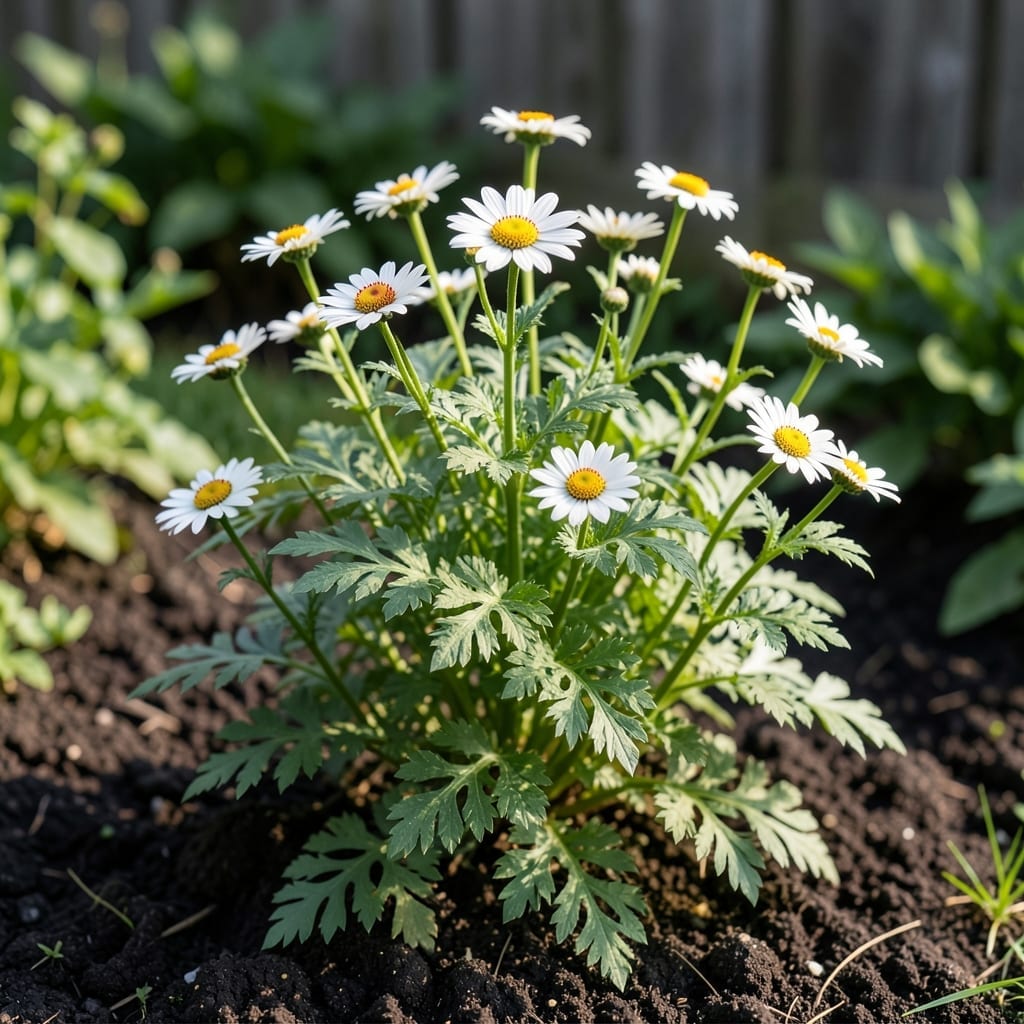
I noticed my painted daisies changing first—leaves turning yellow, then crisp. Turns out, these plants have a few quirks that catch gardeners off guard.
Between you and me, most leaf issues come down to three things: too much water, not enough light, or the wrong soil. Fix those, and you’ll see healthy green growth return in 2-3 weeks.
📚 In This Guide
Here’s how to handle these plants safely in your garden without risk to pets or children.
Before handling, confirm you’re dealing with painted daisies (Tanacetum coccineum) and not a lookalike. The leaves are deeply lobed and fern-like, with a strong, pungent aroma when crushed. The plant grows 2-3 feet tall with bright red, pink, or white daisy-like flowers.
I always double-check by examining the stem—painted daisies have a slightly hairy texture. Misidentification can lead to accidental exposure to more toxic plants, so take your time with this step. When in doubt, consult a local nursery or plant identification guide.
Put on long-sleeved gloves and protective clothing before touching any part of the plant. The leaves contain compounds that can cause skin irritation in sensitive individuals. I prefer nitrile-coated gloves because they provide a good barrier while still allowing dexterity.
If you’re working in a windy area, consider wearing safety glasses. The fine hairs on the leaves can become airborne and irritate your eyes. Always wash your hands thoroughly with soap and water after handling, even if you’ve worn gloves.
When pruning or removing painted daisy leaves, use clean, sharp bypass pruners. Cut stems at the base and place all plant material directly into a sealed bag for disposal. Never leave cuttings on the ground where pets or children might access them.
I recommend placing the sealed bag in your regular trash collection rather than composting. The toxins in painted daisy leaves can persist through composting and may contaminate your compost pile. If you must compost, use a dedicated system for toxic plants only.
After handling, monitor your skin for any signs of irritation like redness or itching. If you experience any adverse reactions, wash the area immediately with soap and water and apply a mild steroid cream if needed. For eye exposure, rinse with cool water for 15 minutes.
Store any tools used for handling painted daisies separately from your other gardening tools. I keep mine in a clearly labeled container to prevent accidental use with edible plants. Clean tools thoroughly with soap and water after use.
Here’s what I’ve learned from years of working with these plants safely.
Identification Accuracy: Take extra time in Step 1 to confirm those deeply lobed, fern-like leaves and that telltale pungent aroma. I once rushed this step and accidentally handled a lookalike that caused a mild skin reaction. The 2-3 feet height and hairy stem are your best confirmation clues—don’t skip examining these details.
Gear Selection: For Step 2, invest in those nitrile-coated gloves mentioned in the instructions. They’re worth every penny for the dexterity they provide while handling the fine hairs on the leaves. I’ve found that regular gardening gloves don’t offer the same protection against potential skin irritation.
Disposal Safety: When you reach Step 3, make absolutely sure that sealed bag is sturdy. I double-bag my cuttings to be extra cautious, especially if I’m working in an area where pets or children might investigate. The toxins can linger, so this extra step gives me peace of mind.
Reaction Protocol: If you do experience any irritation in Step 4, don’t wait to see if it gets worse. That 15-minute eye rinse might seem long, but it’s crucial for removing all traces of the irritants. I keep a timer handy specifically for this purpose to ensure I don’t cut the rinsing short.
Yes, painted daisy (Tanacetum coccineum) leaves contain pyrethrins, which are toxic to cats, dogs, and humans if ingested in large amounts. Keep them away from pets and children. Symptoms include vomiting, diarrhea, or drooling.
No, painted daisy leaves are not food-safe. Their bitter taste and toxic compounds make them unsuitable for culinary use. Stick to edible herbs like basil or parsley for cooking.
Rinse their mouth with water and contact your vet or a pet poison hotline immediately. Bring a sample of the plant for quick identification and treatment guidance.
Yes! Consider non-toxic plants like marigolds, sunflowers, or nasturtiums. These add color without the toxicity risks and are pet-friendly options for your garden.