
Beautiful Plants For Your Interior
Beautiful Plants For Your Interior
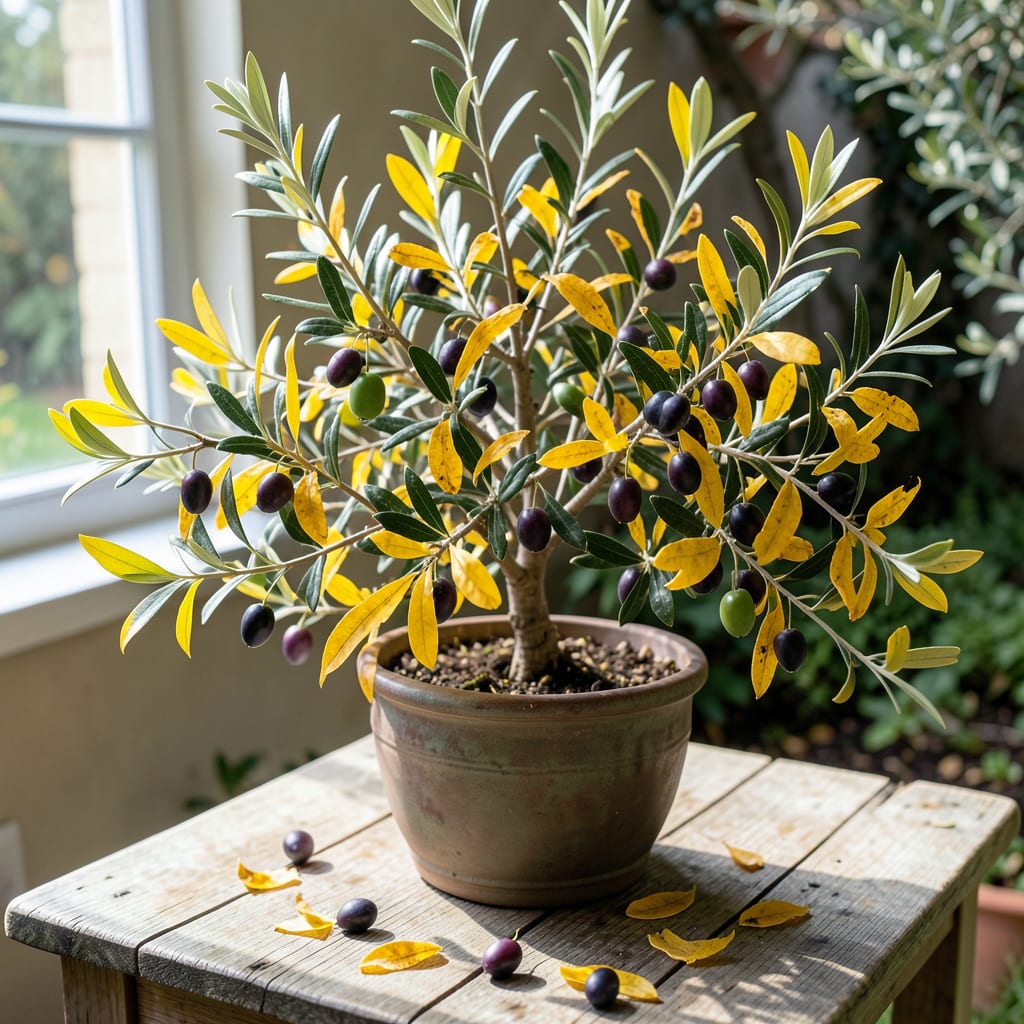
Yellow leaves on your olive tree aren’t just unsightly—they’re a distress signal. I’ve seen 3 main culprits behind this: water stress, nutrient deficiencies, or sneaky pests setting up shop.
Overwatering drowns roots just as fast as drought starves them. Meanwhile, nitrogen or iron shortages turn those silvery-green leaves pale overnight. The fix starts with checking soil moisture an inch down before assuming anything.
Organic solutions work fastest when you diagnose correctly. A foliar spray of compost tea can green up leaves in 2 weeks, while beneficial nematodes handle root-knot problems without chemicals.
Catch it early, and your tree will bounce back stronger. Ignore it, and you’re looking at stunted growth or worse. Here’s how to read the signs right.
Yellowing leaves on olive trees often signal an underlying issue that needs attention. Here are the most common causes, explained scientifically and with actionable insights:
Olive trees require a balanced diet of nitrogen, iron, magnesium, and zinc. A deficiency in any of these can lead to chlorosis (yellowing). For example, iron deficiency often manifests as yellow leaves with green veins, particularly in alkaline soils where iron becomes less accessible. A soil test can pinpoint the exact deficiency, allowing you to amend the soil with the right nutrients (e.g., iron chelates or Epsom salt for magnesium).
Olive trees thrive in well-draining soil. Root asphyxiation from waterlogged conditions disrupts nutrient uptake, leading to yellowing leaves. This is often accompanied by wilting or leaf drop. To fix this, ensure your tree is planted in sandy or loamy soil and reduce watering frequency. If the issue persists, consider improving drainage with organic matter or raised beds.
Pests like olive psyllids, scale insects, or spider mites sap nutrients from the leaves, causing them to yellow and weaken. Inspect the undersides of leaves for tiny insects or sticky residue (honeydew). Neem oil or insecticidal soap can effectively control these pests without harming beneficial insects.
Pathogens such as Verticillium wilt or Peacock spot (Spilocaea oleagina) can cause yellowing, often accompanied by dark spots or lesions. These diseases thrive in humid conditions. Prune affected branches, improve air circulation, and apply copper-based fungicides to prevent spread.
Extreme temperatures, sudden frost, or excessive heat can stress olive trees, leading to yellow leaves. Olive trees prefer mild climates (50–85°F). If frost is a risk, use frost cloths; for heat stress, ensure adequate mulching and watering during dry spells.
Yellow leaves on olive trees often signal fixable issues. Below are targeted solutions for common causes, paired with prevention tips to keep your tree thriving.
If overwatering or drought is the culprit, adjust your routine. For soggy soil: Let the top 2-3 inches dry out before watering again, and improve drainage by amending with sand or gravel. For dry soil: Deep-water your tree weekly (1-2 gallons for young trees, more for mature ones) and mulch to retain moisture.
Prevention: Use a moisture meter 🌡️ to monitor soil and water only when needed. Olive trees prefer slightly dry conditions over wet feet.
Yellowing due to nitrogen, iron, or magnesium lack? Nitrogen: Apply a balanced organic fertilizer (10-10-10) or compost. Iron: Use chelated iron spray or amend soil with sulfur to lower pH. Magnesium: Add Epsom salt (1 tablespoon per gallon of water) as a foliar spray or soil drench.
Prevention: Test soil annually 🎯 and fertilize in early spring. Avoid over-fertilizing, which can burn roots.
Treat infestations or infections promptly. For pests like scale or mites: Spray with neem oil or insecticidal soap every 5-7 days until gone. For fungal diseases: Prune affected branches, improve airflow, and apply copper fungicide. Remove fallen leaves to prevent spread.
Prevention: Inspect leaves weekly ✨ and keep the area clean. Plant companion herbs like rosemary to deter pests naturally.
If extreme heat, cold, or poor light is to blame: Shade cloth can protect from scorching sun, while frost blankets guard against cold snaps. For low light, relocate potted trees to sunnier spots (6+ hours of light daily).
Prevention: Choose a planting site with full sun 🔥 and shelter from harsh winds. Acclimate indoor trees gradually if moving them outside.
Water deeply every 7-10 days for young trees, less often for mature ones. Always let the top 2-3 inches of soil dry out first. Overwatering causes yellow leaves just as easily as drought.
A home soil test kit costs under $15 and reveals pH plus nitrogen, iron, and magnesium levels. Yellow leaves with green veins? That’s classic iron deficiency in alkaline soil.
Only if the leaf tissue isn’t dead yet. Fix the underlying issue (water, nutrients, pests) and new growth will be green. Existing yellow leaves may drop, but that’s normal recovery.
Yes! They thrive between 50-85°F. Below 25°F, frost can damage leaves and branches. Use frost cloths for young trees in cold climates.
