
Beautiful Plants For Your Interior
Beautiful Plants For Your Interior
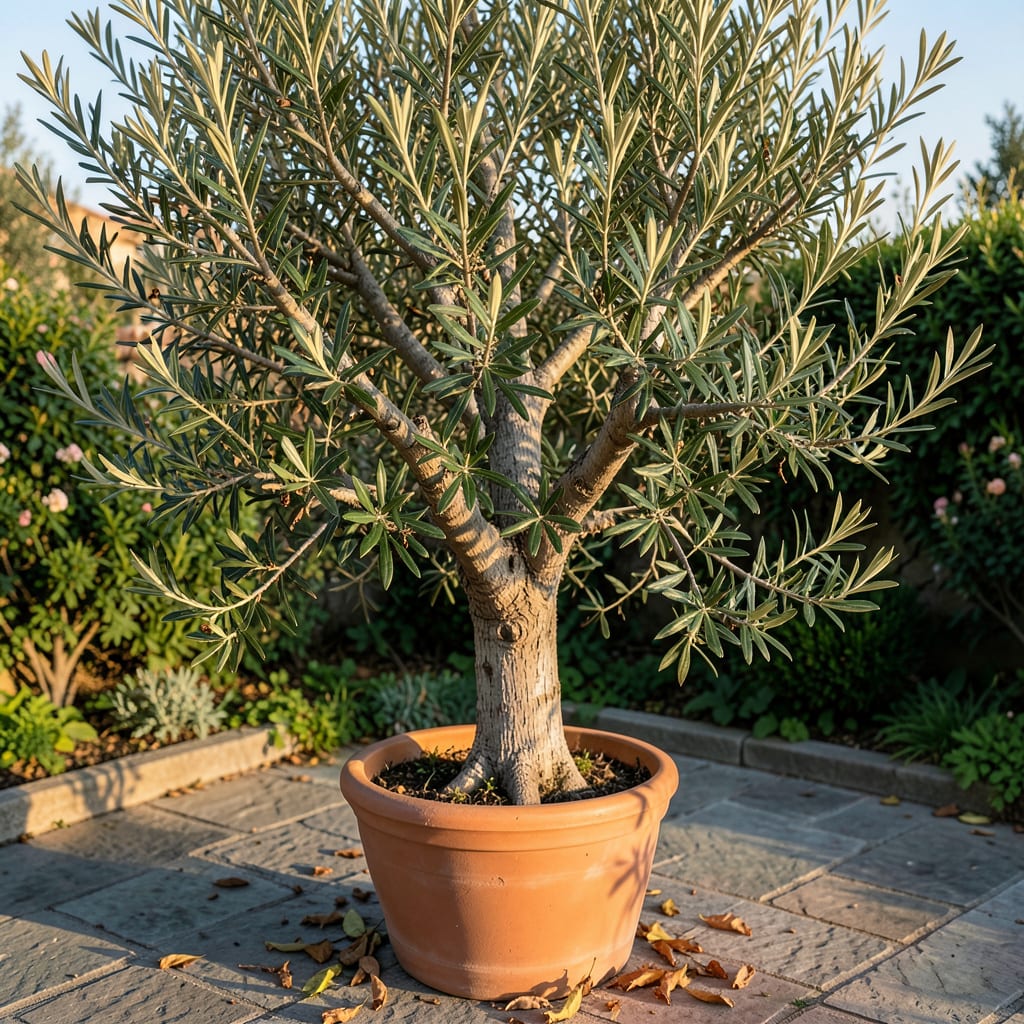
Those brown spots on your olive tree leaves aren’t just unsightly—they’re a warning. I’ve seen healthy trees decline fast when these early signs go unchecked, but catching them now changes everything.
The causes range from fungal infections to water stress, but the solution always starts with observation. Check both sides of leaves, note patterns, and look for other clues like yellow halos or sticky residue.
With the right approach, you’ll stop the spread within 1-2 weeks. The key is matching the treatment to the cause—whether that’s improving drainage, adjusting watering, or applying a targeted spray.
Don’t wait for leaves to drop. Early action saves the tree and prevents next season’s problems from taking root.
Brown spots on olive tree leaves can signal underlying issues that require prompt attention. Below are the most common causes, explained with scientific clarity to help you diagnose and address the problem effectively.
Fungi like Peacock Spot (Spilocaea oleagina) or Anthracnose thrive in wet, humid conditions. These pathogens infect leaves, causing circular or irregular brown spots with yellow halos. Fungal spores spread via wind or water, entering through wounds or stomata. Overhead irrigation and poor air circulation worsen the issue.
Pests such as the Olive Psyllid or Scale Insects pierce leaf tissues to feed, creating entry points for secondary infections. Their feeding damage often appears as stippled or brown-patched areas. Additionally, Olive Fruit Fly larvae can indirectly stress the tree, making it more susceptible to foliar diseases.
Both overwatering and underwatering can lead to brown spots. Overwatering suffocates roots, reducing oxygen uptake and causing leaf scorching. Conversely, drought stress triggers leaf margins to brown and crisp due to cellular dehydration. Olive trees prefer well-draining soil and moderate, consistent moisture.
Extreme temperatures, frost, or sudden temperature swings can damage leaf tissues, resulting in necrotic (dead) brown patches. Salt burn from irrigation water or soil salinity can also cause marginal browning. Olive trees are hardy but perform best in USDA zones 8-11 with protection from harsh winds.
A lack of essential nutrients like potassium, magnesium, or zinc may manifest as brown or yellow-brown leaf spots. Potassium deficiency often causes scorched leaf edges, while magnesium deficiency leads to interveinal chlorosis (yellowing between veins) with brown speckles.
Addressing brown spots on olive tree leaves starts with identifying the root cause and applying targeted solutions. Below are practical fixes for common issues, along with prevention tips to keep your tree healthy.
Fungal diseases like Peacock Spot thrive in damp conditions. Prune dense branches to increase airflow and reduce humidity. Remove and burn infected leaves to prevent spread. Apply copper-based fungicides in early spring or at the first sign of spots. Prevention tip: Space trees properly and avoid overhead watering.
Pests like olive psyllid or scale insects cause damage that leads to brown spots. Spray with neem oil or insecticidal soap for mild infestations. For severe cases, use horticultural oil or a targeted pesticide. Prevention tip: Inspect leaves regularly and encourage beneficial insects like ladybugs.
Both overwatering and drought can cause brown spots. Check soil moisture—water only when the top 1-2 inches are dry. Ensure good drainage to avoid root rot. Prevention tip: Use a drip irrigation system to deliver water directly to the roots and maintain consistent moisture.
Yellowing leaves with brown spots may signal a lack of potassium or magnesium. Apply a balanced fertilizer (e.g., 10-10-10) or one rich in missing nutrients. Test soil pH and adjust if it’s outside the 6.0–8.0 range. Prevention tip: Feed trees in early spring and late summer for optimal growth.
Extreme heat, frost, or wind can scorch leaves. Use shade cloth during heatwaves or mulch to retain soil moisture. Protect young trees from strong winds with barriers. Prevention tip: Plant in a sheltered location or use windbreaks if you’re in a windy area.
No, they can also stem from water stress, pests, or nutrient deficiencies. Check soil moisture and inspect leaves for insects before assuming it’s a fungal issue.
Act within 1-2 weeks of noticing spots to prevent spread. Fungal infections and pests multiply rapidly, so early intervention is critical.
Yes, for mild cases. Try neem oil for pests or baking soda spray for fungi. For severe issues, use targeted fungicides or pesticides.
With proper care, most trees bounce back in 1-2 months. Remove infected leaves and maintain good air circulation to speed up recovery.
