
Beautiful Plants For Your Interior
Beautiful Plants For Your Interior
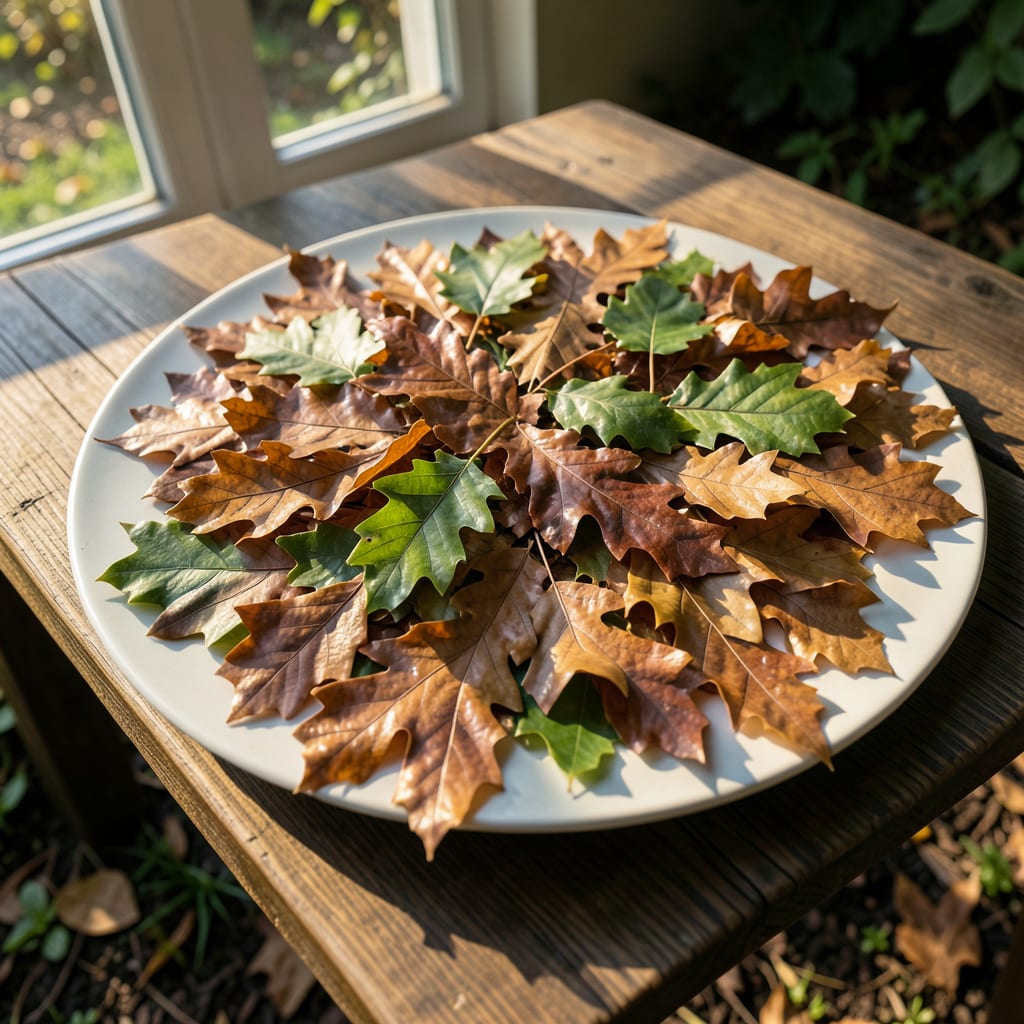
Brown oak leaves don’t always mean the tree is dying. I’ve seen healthy oaks drop brown leaves during drought stress, then bounce back with a little extra water and mulch.
Sometimes it’s environmental—too much sun, not enough water, or a late frost. Other times, it’s disease or pests moving in. The key is checking the pattern: whole leaves or just the edges? One branch or the entire canopy?
With the right diagnosis, most issues are fixable. Adjusting water, improving drainage, or treating for pests can bring those green leaves back in a few weeks.
Don’t panic yet. Most oaks are tougher than they look, and early action makes all the difference.
Oak trees are hardy, but even they can show signs of stress through browning leaves. Here are the most common causes, explained simply and scientifically:
Oaks need consistent moisture to thrive. When soil dries out, the tree can’t absorb enough water to sustain its leaves. Xylem vessels (the tree’s water-conducting pipes) become airlocked, cutting off supply to the foliage. This often starts at the leaf edges, turning them crispy and brown. Action: Deep-water the tree at its drip line, especially during prolonged dry spells.
Fungi like anthropnose and oak wilt disrupt the tree’s ability to transport water and nutrients. Brown spots or blotches appear as the fungus damages leaf tissues. Oak wilt, in particular, blocks the vascular system, causing rapid browning and leaf drop. Action: Prune infected branches (sterilize tools between cuts!) and improve airflow around the tree.
Sap-sucking pests such as aphids, scale insects, or oak lace bugs drain the tree’s resources, leading to yellowing or browning leaves. Their feeding also introduces toxins that further stress the foliage. Action: Inspect the undersides of leaves and treat with horticultural oil or insecticidal soap if pests are present.
Poor soil conditions—like compacted, alkaline, or nutrient-poor soil—can starve the tree of essential elements (e.g., iron or manganese). This often causes interveinal chlorosis (yellowing between leaf veins) that progresses to brown. Action: Test your soil and amend it with compost or a balanced fertilizer if deficiencies are confirmed.
Sudden changes, such as herbicide drift, pollution, or extreme temperature swings, can scorch leaves overnight. Chemicals like 2,4-D (found in weed killers) cause irregular browning and leaf curl. Action: Avoid spraying herbicides near oaks, and shield them from construction or industrial pollutants.
Once you’ve identified why your oak tree’s leaves are turning brown, these targeted fixes can help restore its health. Address each issue with practical, easy-to-follow steps to give your tree the best chance at recovery.
If dry conditions are the culprit, water deeply and slowly at the tree’s drip line (outer edge of the canopy) once or twice a week. Use a soaker hose or drip irrigation to deliver about 1–2 inches of water per week, especially during prolonged dry spells. Avoid shallow, frequent watering, which encourages weak roots.
Prevention tip: 💡 Mulch around the base (keeping it 3–4 inches away from the trunk) to retain moisture and regulate soil temperature.
For fungal issues like oak wilt or anthracnose, prune infected branches immediately using sterilized pruning tools (dip in rubbing alcohol between cuts). Dispose of the debris far from the tree to prevent spread. Apply a copper-based fungicide in early spring or fall as a preventive measure, following label instructions.
Prevention tip: ✨ Improve airflow by thinning crowded branches and avoiding overhead watering, which can splash spores onto leaves.
If pests like oak bark beetles or scale insects are damaging the tree, start with horticultural oil or insecticidal soap for mild cases. For severe infestations, use a systemic insecticide labeled for oaks. Always treat in the early morning or evening to avoid harming beneficial pollinators.
Prevention tip: 🎯 Encourage natural predators like ladybugs and birds by maintaining a diverse, pesticide-free garden.
For heat, salt, or chemical damage, flush the soil with water to remove excess salts or toxins. Shield the tree from extreme heat with shade cloth during peak summer months. If the soil is compacted, aerate gently around the root zone to improve oxygen and water uptake.
Prevention tip: 🌱 Test your soil annually to monitor pH and nutrient levels, adjusting as needed for optimal oak health.
Deep water 1-2 times per week during dry spells, delivering 1-2 inches of water each time. Focus on the drip line, not the trunk.
This usually signals drought stress or salt damage. Check soil moisture and avoid road salt exposure near the tree.
No, once leaves brown they won’t recover. But addressing the cause can prevent further damage and help new leaves stay healthy.
Yes, with quick action. Prune infected branches immediately and apply copper fungicide in early spring or fall.
