
Beautiful Plants For Your Interior
Beautiful Plants For Your Interior
Cabbage worms and aphids can turn healthy collard greens into Swiss cheese overnight. After losing half my crop to pests one season, I discovered neem oil—the organic solution that protects leaves without harsh chemicals. The difference was immediate: fewer holes, healthier plants, and harvests that lasted weeks longer. What makes neem oil so effective is […]
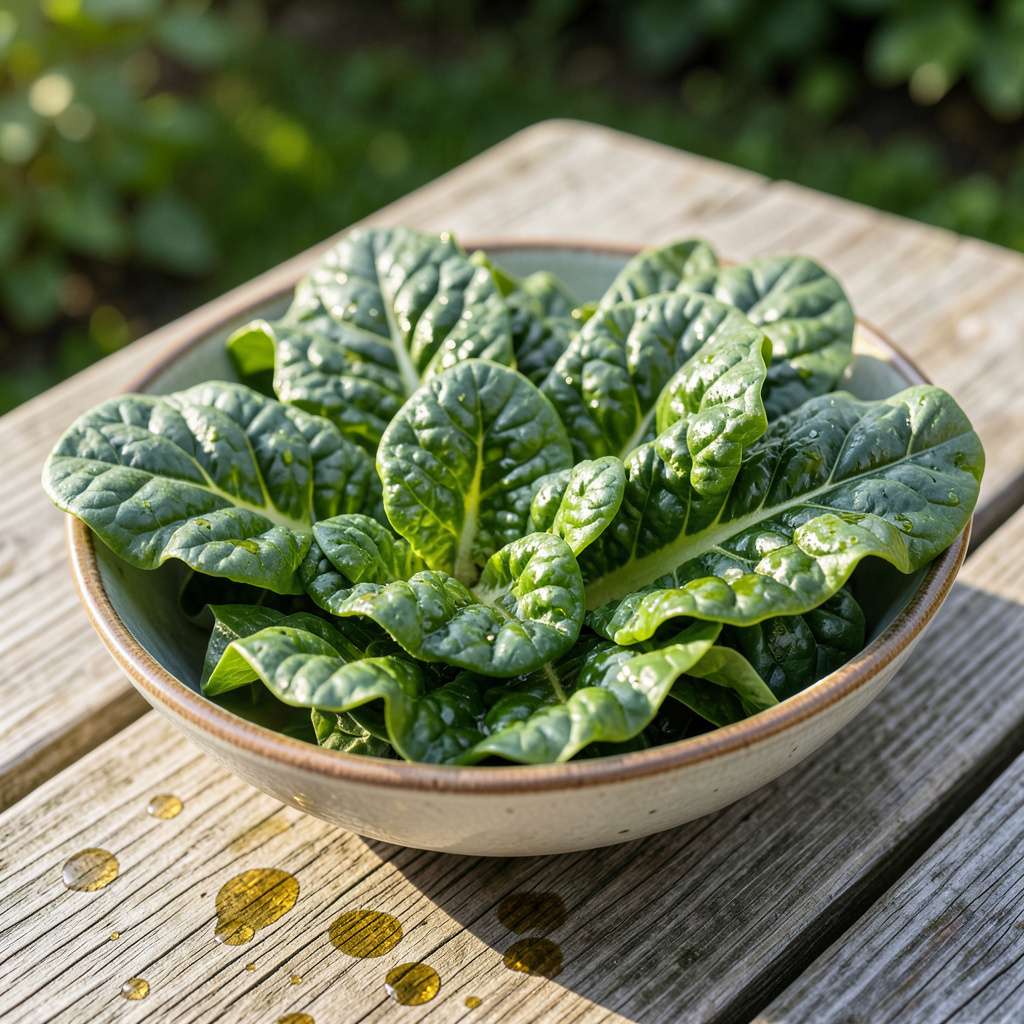
Cabbage worms and aphids can turn healthy collard greens into Swiss cheese overnight. After losing half my crop to pests one season, I discovered neem oil—the organic solution that protects leaves without harsh chemicals. The difference was immediate: fewer holes, healthier plants, and harvests that lasted weeks longer.
What makes neem oil so effective is its dual action—it repels pests while disrupting their life cycle. Unlike synthetic sprays, it breaks down quickly in sunlight, leaving no harmful residue on your greens. I’ve used this method for three seasons now, and my collards stay productive well into fall when neighbors’ plants are already gone.
You’ll need just three things: cold-pressed neem oil, a mild soap (like Castile), and water. The application takes 10 minutes and fits easily into a weekly garden routine. Best part? It’s safe for bees and beneficial insects when used correctly—no collateral damage to your garden’s ecosystem.
Whether you’re growing in raised beds, containers, or a backyard plot, this technique adapts to any setup. The key is timing: apply in the evening, cover both sides of leaves, and reapply after rain. Your collards will thank you with lush, hole-free leaves ready for harvest.
📚 In This Guide
This organic approach protects your greens from pests while keeping your harvest safe and chemical-free.
Apply neem oil in the early morning or late evening when temperatures are below 85°F. Direct sunlight combined with neem oil can cause leaf burn, especially on tender collard greens. I always check the forecast first—rain within 24 hours means waiting, as water will wash away the protective coating before it can work.
Look for the first signs of pest activity: tiny holes in leaves, sticky residue (aphid honeydew), or visible insects on the undersides. Don’t wait until damage is severe—neem oil works best as a preventive measure or at the first sign of trouble. You’ll notice the most vulnerable plants are young seedlings and new growth.
Mix 1 tablespoon of cold-pressed neem oil with 1 teaspoon of mild liquid soap (as an emulsifier) per 1 gallon of warm water. The soap helps the oil disperse evenly in water since oil naturally separates. Shake the mixture vigorously in a spray bottle until it appears uniformly cloudy—this ensures proper coverage when applied.
I use a dedicated garden sprayer with a fine mist setting for even distribution. Test the nozzle first on a non-plant surface to confirm it produces a light, even spray rather than heavy droplets. Heavy application leads to runoff and wasted product, while too fine a mist may not coat the leaves adequately.
Spray both the top and underside of leaves until they glisten but aren’t dripping. Pests like cabbage worms and aphids hide on leaf undersides, so this is critical. Hold the sprayer 6-8 inches from the plant and move in a steady, sweeping motion. You’ll see the leaves darken slightly as the oil coats them—this is normal and temporary.
Pay special attention to new growth and the center of the plant where pests congregate. I always wear gloves during application to avoid skin contact with the oil. Reapply every 7-10 days or after heavy rain, as neem oil degrades quickly in sunlight and moisture.
Check your collard greens 24-48 hours after application. Healthy leaves should appear slightly shiny but show no signs of burning or wilting. If you notice leaf edges browning, this indicates either too strong a concentration or application during heat—dilute the mixture by half for the next treatment.
Continue applications throughout the growing season, rotating with other organic methods like row covers for comprehensive pest management. I’ve found that consistent neem oil use reduces pest populations significantly within 2-3 weeks, allowing the collards to thrive without chemical intervention.
After years of battling pests in our own gardens, we’ve learned these essential techniques for getting the most from your neem oil treatments.
Timing Strategy: The early morning or late evening application window below 85°F isn’t just a suggestion—it’s critical. I’ve seen collard leaves develop unsightly brown spots when sprayed during midday heat, even on cloudy days. Check your weather app for the day’s high temperature and plan your application accordingly. If you must spray during warmer hours, consider using shade cloth to protect the plants temporarily.
Mixing Mastery: When preparing your solution of 1 tablespoon neem oil, 1 teaspoon soap, and 1 gallon warm water, the order matters. Add the soap to the water first and mix thoroughly before adding the oil. This creates a better emulsion that won’t separate as quickly in your sprayer. I use a small whisk to blend it—you’ll see the mixture turn uniformly cloudy when it’s properly emulsified.
Application Technique: The 6-8 inch distance mentioned in Step 3 is perfect for achieving that “glistening but not dripping” coverage. Hold the sprayer too close and you’ll waste product through runoff; too far and you won’t get adequate coverage. I like to work in sections, spraying the tops first, then flipping leaves to coat the undersides while the tops are still wet—this ensures complete protection where pests hide.
Monitoring Wisdom: During that 24-48 hour check after application, pay special attention to the newest growth. These tender leaves are most sensitive to both pests and potential oil burn. If you notice any leaf curling or browning at the edges, it’s your plant’s way of telling you to adjust—either the concentration was too strong or the temperature crept above that 85°F threshold during application.
Apply neem oil every 7–14 days as a preventative measure, or every 3–5 days if pests (like aphids or cabbage worms) are active. Always spray in the early morning or late evening to avoid leaf burn from sun exposure. Reapply after heavy rain!
No—wait at least 3–7 days after spraying before harvesting. Neem oil is low-toxicity but needs time to break down. For food safety, always wash greens thoroughly with water and vinegar (1:3 ratio) before eating.
Use 1–2 teaspoons of cold-pressed neem oil + 1 teaspoon mild soap (like Castile) per quart of water. Shake well before spraying! Test on a small leaf first to check for sensitivity. Too strong? Dilute further to avoid damage.
Yes! Try insecticidal soap (for soft-bodied pests), diatomaceous earth (for crawlers like slugs), or companion planting (marigolds deter pests). Neem is great for fungal issues, but rotate methods to prevent resistance.
Wilting often means over-application, sun exposure, or poor dilution. Avoid spraying in direct sunlight or temperatures above 90°F. If damage occurs, rinse leaves with water and pause treatment until plants recover.
Neem oil is a game-changer for keeping your collard greens thriving—naturally! 🌱 By using it correctly, you’ll fend off pests, prevent fungal issues, and enjoy healthier, chemical-free harvests. The key is consistency: apply early, follow the dilution rules, and reapply as needed for the best results.
Ready to give it a try? Start with a small test spray on a few leaves, then scale up once you see success. Your collard greens (and your dinner plate!) will thank you. 😊 Happy gardening!
