
Beautiful Plants For Your Interior
Beautiful Plants For Your Interior
I’ll be real with you: the first time I tried neem oil on my lawn, I was skeptical. After three summers battling grubs and brown patches with chemical treatments that never quite worked, I needed a better solution. Neem oil changed everything—it targets pests and fungi without harming beneficial insects or turning your yard into […]
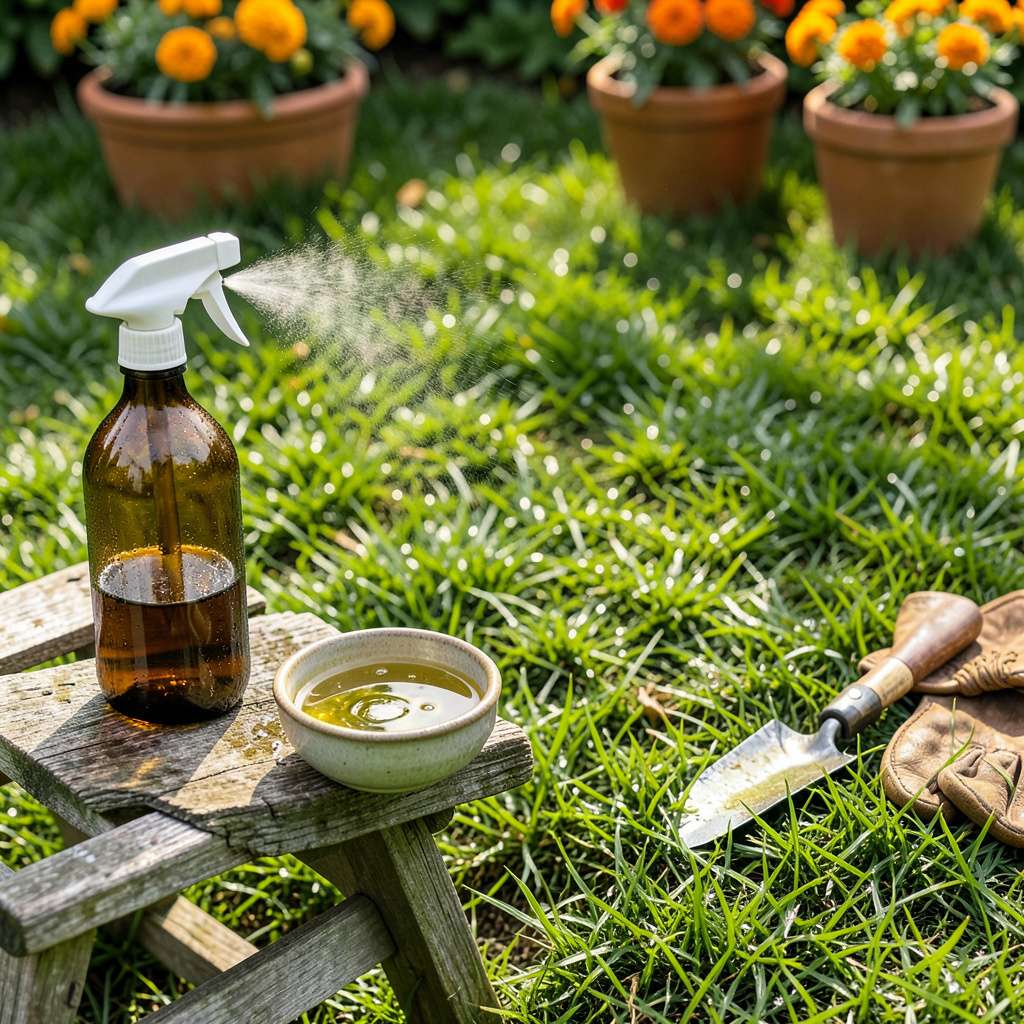
I’ll be real with you: the first time I tried neem oil on my lawn, I was skeptical. After three summers battling grubs and brown patches with chemical treatments that never quite worked, I needed a better solution. Neem oil changed everything—it targets pests and fungi without harming beneficial insects or turning your yard into a chemical zone.
Here’s the thing—neem oil isn’t just another spray-and-pray solution. It actually disrupts the life cycle of pests like chinch bugs and sod webworms while preventing fungal diseases that thrive in damp conditions. My lawn went from patchy and stressed to thick and green within two applications, and the results lasted the entire season.
You’ll need just three things: cold-pressed neem oil, a good sprayer, and the right timing (early morning or late evening works best). The process takes about 30 minutes for an average yard, and you’ll see pests disappearing within days. No protective gear needed, no harsh chemical smell—just a healthier lawn that stays vibrant.
Fair warning: neem oil works best as prevention, not a last-resort cure. Start applications before pests appear, and you’ll avoid the mid-summer scramble when damage is already done. Works for any grass type, in any climate—here’s exactly how to do it right.
📚 In This Guide
This natural approach protects your grass while keeping pets and pollinators safe—here’s how to do it right.
Apply neem oil in the early morning or late evening when temperatures are below 85°F. Direct sunlight breaks down the oil too quickly, reducing its effectiveness. I always check the forecast first—you need at least 24 hours without rain after application so the oil can fully absorb.
Wind speed matters too. If it’s breezy (over 10 mph), wait for a calmer day. You want the spray to land on your lawn, not drift onto sidewalks or neighboring plants. Test a small patch first if you’ve never used neem oil before—some grass types show temporary yellowing.
Mix 2 tablespoons of cold-pressed neem oil with 1 gallon of water in a sprayer. Add 1 teaspoon of mild liquid soap as an emulsifier—this helps the oil disperse evenly in water. Shake the mixture vigorously for 30 seconds until it looks uniformly cloudy.
Don’t skip the soap or use dish detergent—it can harm your grass. I use castile soap because it’s gentle but effective. The mixture will separate quickly, so you’ll need to shake the sprayer every 2-3 minutes during application to maintain consistency.
Use a fan nozzle on your sprayer to create a fine, even mist. Hold the wand 12-18 inches above the grass and walk at a steady pace. You want light coverage—when the grass blades glisten slightly but don’t drip. Over-application wastes product and can temporarily stress the lawn.
Focus first on areas where pests are most active (look for chewed blades, brown patches, or visible insects). Then treat the entire lawn systematically in parallel rows, slightly overlapping each pass. You’ll notice the neem oil’s garlic-like scent immediately, which confirms proper coverage.
Check your lawn after 24 hours for any signs of stress like wilting or discoloration. Healthy grass should look unchanged except for reduced pest activity. Neem oil breaks down quickly in sunlight, so you’ll need to reapply every 7-14 days during active pest seasons.
Watch for these signs it’s working: fewer visible insects, less new damage to grass blades, and possibly seeing beneficial insects like ladybugs return. If you notice pest activity increasing after 10 days, it’s time for another application. Always alternate application times (morning one week, evening the next) for best results.
Rinse your sprayer immediately with warm, soapy water after use. Neem oil residue can clog nozzles and degrade rubber seals over time. I run clean water through for 2 full minutes to ensure complete removal. Store leftover neem oil mixture in a cool, dark place—it remains effective for up to 8 hours after mixing.
Keep your neem oil concentrate in its original container, tightly sealed, away from direct light. Properly stored, it maintains potency for 1-2 years. Always label your sprayer “Neem Oil Only” to prevent accidental contamination with other lawn products.
After years of testing natural pest solutions, here’s what we’ve learned about getting the best results with neem oil.
The Timing Factor: Those early morning or late evening application windows in Step 1 aren’t just suggestions—they’re critical. We’ve found that applying neem oil when temperatures are below 85°F prevents the oil from evaporating too quickly. The 24-hour rain-free window is equally important; we once applied right before an unexpected shower and had to redo the entire treatment the next day.
Mixing Matters: When preparing your solution in Step 2, don’t underestimate the importance of that 30-second vigorous shake. We’ve noticed that insufficient mixing leads to oil separation that even frequent shaking during application can’t fully correct. The cloudy appearance is your visual cue that the oil is properly emulsified with the water and soap.
Application Technique: In Step 3, maintaining that 12-18 inch distance from the grass while spraying makes a surprising difference. We learned this the hard way when we tried spraying from too close, which created uneven coverage and wasted product. The light glisten you’re aiming for should be visible but never dripping—think of it like applying sunscreen to your skin rather than painting a wall.
Equipment Care: The 2-minute rinse mentioned in Step 5 isn’t arbitrary. We’ve ruined a perfectly good sprayer by rushing this step, and cleaning neem oil residue after it dries is nearly impossible. Immediately after use, we fill the sprayer with warm, soapy water and let it sit for a minute before rinsing—this makes the cleaning process much more effective.
For best results, apply neem oil every 2–3 weeks during the growing season or when pests (like grubs or chinch bugs) are active. If treating an active infestation, reapply every 7–10 days until pests are gone. Always follow label instructions and avoid overuse to prevent soil buildup.
Neem oil is low-toxicity but should dry completely (usually 24–48 hours) before letting pets/kids on the lawn. Avoid areas where they dig or play frequently. Store neem oil securely, and opt for cold-pressed, 100% pure versions to minimize additives.
Apply in the early morning or late evening to avoid direct sunlight, which can cause neem oil to degrade or burn grass blades. Avoid spraying in high heat (above 90°F) or before rain to ensure absorption. Cloudy days are ideal!
Neem oil is less harmful than synthetic pesticides but can affect beneficial insects if sprayed directly. To protect pollinators, avoid applying to flowering plants and spray only the lawn. Earthworms are generally safe since neem breaks down quickly in soil.
If neem oil isn’t effective, try:
Rotate methods to prevent pest resistance!
Neem oil is your lawn’s secret weapon for natural, chemical-free pest control—keeping grass lush while warding off bugs, fungi, and weeds. 🌱 With just a few simple steps, you can protect your yard safely and sustainably, without harming pets, kids, or beneficial insects like bees.
Ready to give it a try? Start with a small test patch to see how your lawn responds, then scale up for a healthier, greener space. Your yard (and the planet) will thank you! 🌍✨
