
Beautiful Plants For Your Interior
Beautiful Plants For Your Interior
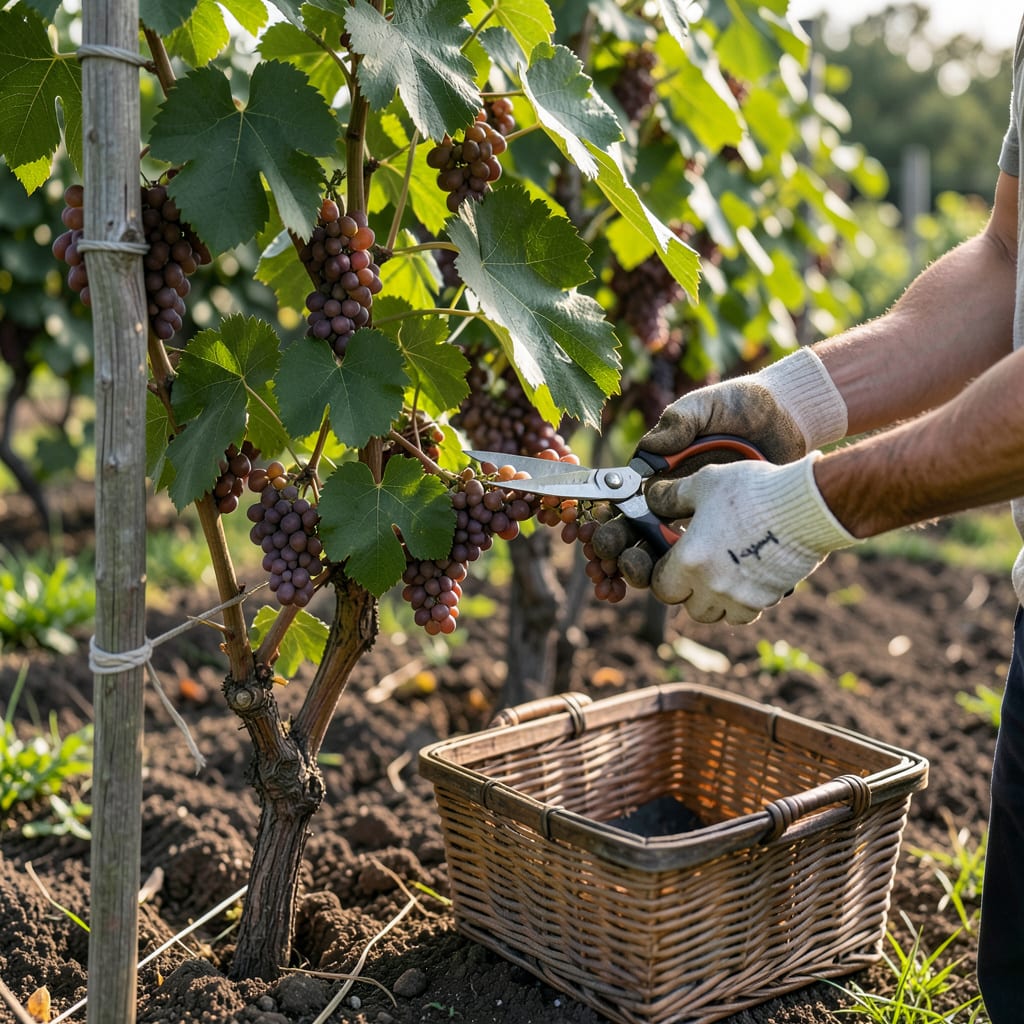
There’s nothing quite like biting into a perfectly ripe Muscadine Grape 🍇 at its peak. Timing is everything when it comes to these Southern delights.
I’ll show you how to spot the telltale signs of ripeness and why August through October is your golden window. Let’s make sure you never pick a tart grape again.


The ideal muscadine grapes harvest time falls between late August and early October. This is when these Southern vines reach peak ripeness, delivering their signature sweet flavor. I always watch for the first signs of color change.
In my experience, regional climate can shift this window. Warmer areas may see ripe grapes earlier, while cooler zones might need to wait until mid-fall. The key is observing your vines, not just the calendar.
| Sign | Description |
|---|---|
| Color Change | Deep purple, bronze or black |
| Berry Texture | Slightly soft when pressed |
| Stem Condition | Dry and brown near berry |
| Aroma | Sweet fragrance near clusters |
I check for color transformation first. Green muscadines won’t ripen off the vine, so wait until they develop their mature hue. Bronze varieties turn golden, while purple types deepen to near-black.
Next, I gently press a grape between my fingers. A ripe one yields slightly under pressure. If it’s rock hard, it needs more time. The skin may also develop a slight wrinkle, a sure sign of sweetness.
The stem connection tells another story. When grapes are ready, they detach easily from the vine with a light tug. If you’re struggling to pull one free, it’s not quite there yet.
Don’t overlook the aroma test. Ripe muscadine clusters emit a sweet, grapey fragrance that’s hard to miss. I often smell the ripeness before I see it.
For Northern growers, expect harvests in September. Southern states may start seeing ripe fruit as early as August. Coastal areas with milder climates might extend into October.
I’ve found that morning harvesting works best. The grapes are firmer after cool nights, making them easier to pick without damage. Plus, you beat the day’s heat.
Remember, muscadine vines don’t ripen uniformly. Check clusters individually, as some may be ready while others need more time. Patience here pays off with the sweetest harvest.
🌿
Testing muscadine grapes for ripeness is straightforward once you know what to look for. I always start with the taste test—sampling a few berries from different clusters gives me the clearest indication of sweetness.
The sugar content should be between 16-20% for ideal flavor. A refractometer can give you an exact reading, but I find that a simple taste is often just as reliable for home gardeners.
Another reliable method is checking the seed color. Immature muscadines have green seeds, while ripe ones develop brown or black seeds. This visual cue is especially helpful if you’re unsure about taste alone.
I avoid harvesting too early by watching for uniform color. If some grapes in a cluster are still green, the entire bunch needs more time. Picking too soon results in tart, underripe fruit.
Waiting too long can be problematic as well. Overripe muscadines may split or ferment on the vine. I check my vines every 2-3 days once they start showing ripeness signs.
For the most accurate results, I test grapes from different parts of the vine. Sun-exposed clusters often ripen first, while shaded ones may need extra time. This ensures I don’t miss any ready fruit.
🌱
After picking your muscadine grapes at the perfect time, proper handling ensures they stay fresh. I always start by cooling them quickly to maintain quality. This slows down ripening and prevents spoilage.
Store your harvested grapes in the refrigerator at about 32-35°F. I use perforated containers to allow air circulation while keeping humidity levels optimal for freshness.
🌱 Pro Tip: Don’t wash muscadines until ready to eat. Excess moisture speeds up spoilage. Instead, gently wipe off any debris with a dry cloth.
For longer storage, I recommend freezing muscadines on a tray first, then transferring them to airtight bags. This prevents the berries from sticking together, making it easier to use just what you need.
If you’re processing grapes into juice or jelly, do it within 3-5 days of harvest for the best flavor. I’ve found that freshly picked muscadines yield the most vibrant and flavorful results.
🌿
Ripe muscadines turn deep purple, bronze or nearly black. Green or pale grapes need more time. Bronze varieties become golden when ready.
Check for slight softness when gently pressed and a sweet aroma near clusters. They should detach easily from the vine with a light tug.
Typically no—most varieties ripen between late August and early October. Warmer climates may see early harvests, but July is usually too soon.
Underripe muscadines will be tart and hard. They won’t ripen off the vine, so wait until they show full color and slight softness.
