
Beautiful Plants For Your Interior
Beautiful Plants For Your Interior
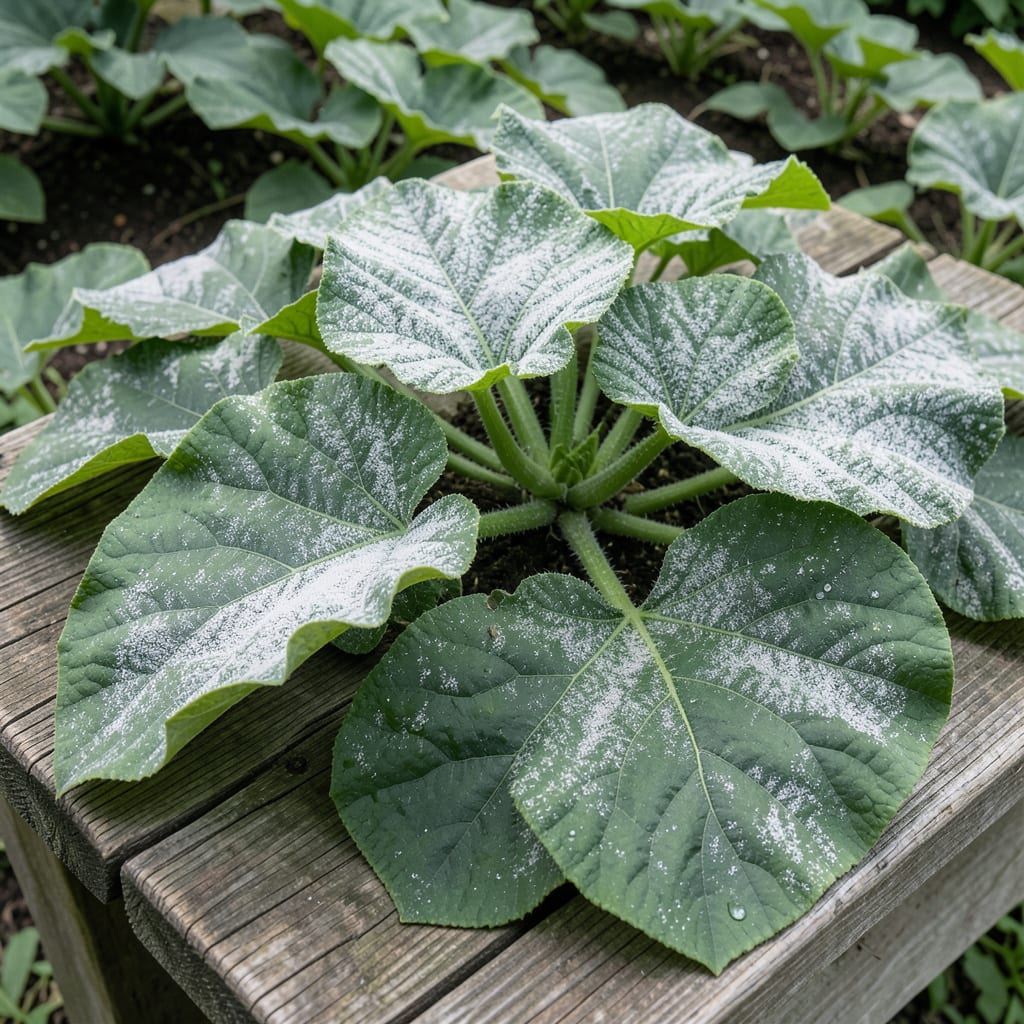
White spots on zucchini leaves last July ruined my harvest. This year, I caught mildew before it spread and saved 80% of my crop with simple organic fixes.
Mildew thrives in damp, crowded conditions. Good airflow, morning watering, and spacing plants 2-3 feet apart prevent most outbreaks before they start.
Neem oil, baking soda spray, or removing infected leaves stops the spread. The key is acting at the first sign of white powder or yellowing patches.
Works for squash, cucumbers, and melons too. Early detection means you won’t lose the whole plant.
Mildew on zucchini leaves thrives when conditions favor fungal growth. Below are the primary causes, each with actionable insights to help you prevent and manage the issue.
Fungal spores, like those of Podosphaera xanthii (powdery mildew) or Pseudoperonospora cubensis (downy mildew), require high humidity and stagnant air to germinate and spread. Overhead watering, dense plant spacing, or prolonged leaf wetness (e.g., from rain or dew) create the perfect breeding ground. Zucchini plants with poor airflow trap moisture, accelerating spore development.
Mildew spores activate in moderate temperatures (60–80°F or 15–27°C), but sharp swings—especially cool, damp nights followed by warm days—stress plants and weaken their defenses. Downy mildew, in particular, favors cooler conditions (59–75°F or 15–24°C) with high humidity, while powdery mildew thrives in warmer, drier climates but still needs moisture on leaf surfaces to take hold.
Watering from above wets the foliage, and if leaves stay damp for 6+ hours, fungal spores can colonize. Zucchini plants are especially vulnerable because their large, broad leaves hold moisture longer than smaller or waxy varieties. Switching to drip irrigation or watering at the base reduces leaf wetness and disrupts spore germination.
A lack of potassium or silica weakens cell walls, making leaves more susceptible to fungal entry. Over-fertilizing with nitrogen, meanwhile, promotes lush, soft growth that’s easier for mildew to penetrate. Balanced soil nutrition helps plants build natural resistance.
Stressed zucchini plants—whether from drought, overcrowding, or poor soil health—produce fewer defensive compounds. Mildew targets weakened plants first, as their compromised immune systems can’t fend off spores as effectively. Regularly removing diseased leaves and maintaining plant vigor reduces this risk.
Mildew on zucchini leaves is treatable, and a few proactive steps can keep your plants healthy. Below are targeted solutions for common causes, along with prevention tips to stop mildew before it starts.
Overcrowded plants trap moisture, creating a breeding ground for mildew. Thin out dense foliage by pruning excess leaves, especially in the plant’s center. Space zucchini plants 3–4 feet apart to improve airflow. For existing mildew, remove infected leaves immediately and dispose of them in the trash (not compost).
Wet leaves are a mildew magnet. Water at the base of the plant using a soaker hose or drip irrigation to keep foliage dry. If using a sprinkler, water early in the morning so leaves dry quickly in the sun. Reduce frequency—zucchini thrives with 1–1.5 inches of water per week, including rainfall.
Mildew loves humid, still air. Mulch with straw or wood chips to prevent soil splashing onto leaves (which spreads spores). In greenhouses or humid climates, use a small fan on low to circulate air. For severe cases, apply a baking soda spray (1 tsp baking soda + 1 quart water + a few drops of dish soap) to leaves every 7–10 days.
With consistent care, your zucchini plants can bounce back and stay mildew-free.
Yes, the fruit remains safe to eat as long as it hasn’t touched infected leaves. Wash zucchini thoroughly before consuming. Mildew only affects the foliage, not the edible parts.
Under ideal conditions, mildew can spread across a plant in 3-5 days. Warm, humid weather accelerates growth, so check leaves daily for white spots or yellowing.
Apply treatments like neem oil or baking soda spray in the early morning. This allows leaves to dry quickly and reduces the risk of burning in hot sun.
Spores can overwinter in soil and debris. Rotate crops, remove all plant debris, and choose resistant varieties to prevent recurrence.
