
Beautiful Plants For Your Interior
Beautiful Plants For Your Interior
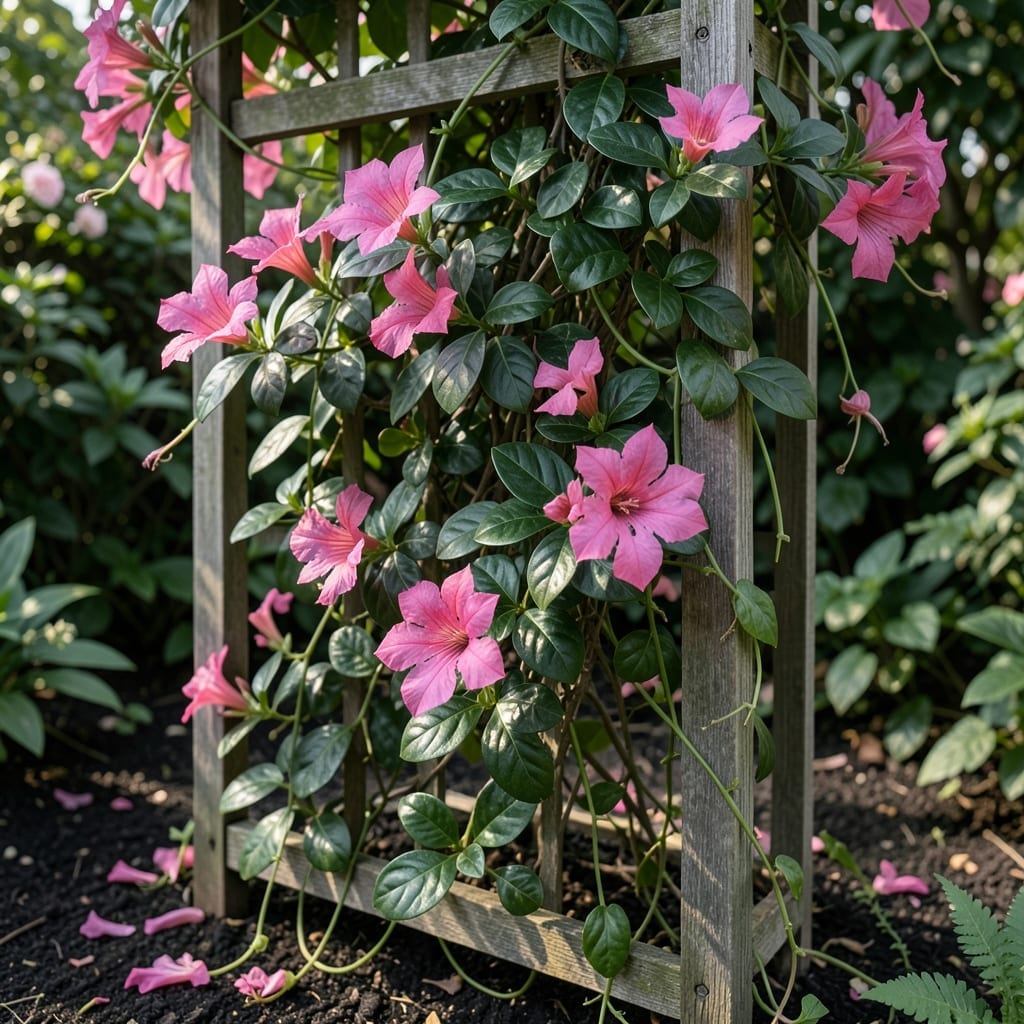
There’s nothing quite like watching your garden burst into color, and with the 🌸 Mandevilla, you can enjoy that spectacle for months on end. These tropical vines are famous for their vibrant trumpet-shaped blooms that keep coming.
If you’ve ever wondered when to expect those first flowers or how to keep them blooming, you’re in the right place. The timing can surprise many gardeners, especially in warmer climates where the show never really stops.
I’ve learned that with the right care and conditions, your Mandevilla can reward you with nonstop color from late spring through fall. Let’s break down what you need to know to make it happen.
Discover how to time your planting and care for a season filled with those stunning blooms you love.
If you’re growing mandevilla vines, you’ll be thrilled to know they can produce trumpet-shaped blooms for months on end. In tropical climates like USDA zones 10-12, these beauties often flower year-round with proper care.
In warmer temperate zones like 9a-9b, mandevilla bloom time typically runs from early spring through fall. The first flowers usually appear when night temperatures stay above 50°F consistently.
| USDA Zone | Bloom Period | Key Notes |
| 10-12 | Year-round | Tropical climate |
| 9a-9b | Spring to Fall | Needs frost protection |
| 8a-8b | Summer to Early Fall | Plant after last frost |
| 7 and below | Summer only | Grow as annual |
For gardeners in zone 8, expect mandevilla flowers from summer through early fall. These plants love heat, so they’ll start blooming once soil temperatures warm up and day lengths are long.
In cooler zones 7 and below, treat mandevilla as an annual. They’ll bloom throughout summer but won’t survive winter outdoors. I’ve found they produce the most flowers when given full sun and consistent moisture.
The daylight length significantly impacts bloom cycles. In areas with long summer days, your mandevilla will produce more flowers more continuously. This is why they thrive so well in southern climates.
Temperature plays a crucial role too. Mandevillas need nighttime temps above 50-55°F to initiate and maintain blooming. In my experience, they’ll pause flowering during cool spells but resume quickly when warmth returns.
For gardeners in transition zones like 8-9, you can extend the blooming season by providing winter protection. I’ve successfully overwintered potted mandevillas indoors near a sunny window to get an early start on blooms next year.
Remember that young plants may take longer to start blooming. I’ve noticed that well-established vines with multiple stems tend to produce flowers more abundantly and consistently throughout their growing season.
To maximize your mandevilla bloom time, ensure they receive 6+ hours of direct sunlight daily. This, combined with regular watering and balanced fertilizer, will give you the most spectacular and longest-lasting display of colorful blooms. ☀️
I love how mandevilla vines can light up a garden with their trumpet-shaped blooms. To enjoy flowers longer, I focus on giving them consistent care that mimics their native tropical conditions.
One of the simplest ways to extend bloom time is ensuring they get 6+ hours of sunlight daily. These sun-loving plants thrive when bathed in warmth, which fuels their flowering energy. ☀️
I’ve found that regular pruning works wonders. Trimming back leggy stems encourages bushier growth and more flower buds. Just be sure to use clean, sharp pruning shears to avoid damaging the plant.
Feeding your mandevilla is another game-changer. I use a balanced fertilizer every few weeks during the growing season. This gives the plant the nutrients it needs to produce continuous blooms from spring to fall.
Watering habits also play a big role. Mandevillas like moisture but hate soggy roots. I water deeply, then let the top inch of soil dry out before watering again. This prevents root rot while keeping the plant happy. 💧
Finally, don’t forget to deadhead faded flowers. Removing spent blooms tells the plant to focus on producing new ones. With these tips, I’ve enjoyed mandevilla flowers for months on end! 🌸