
Beautiful Plants For Your Interior
Beautiful Plants For Your Interior
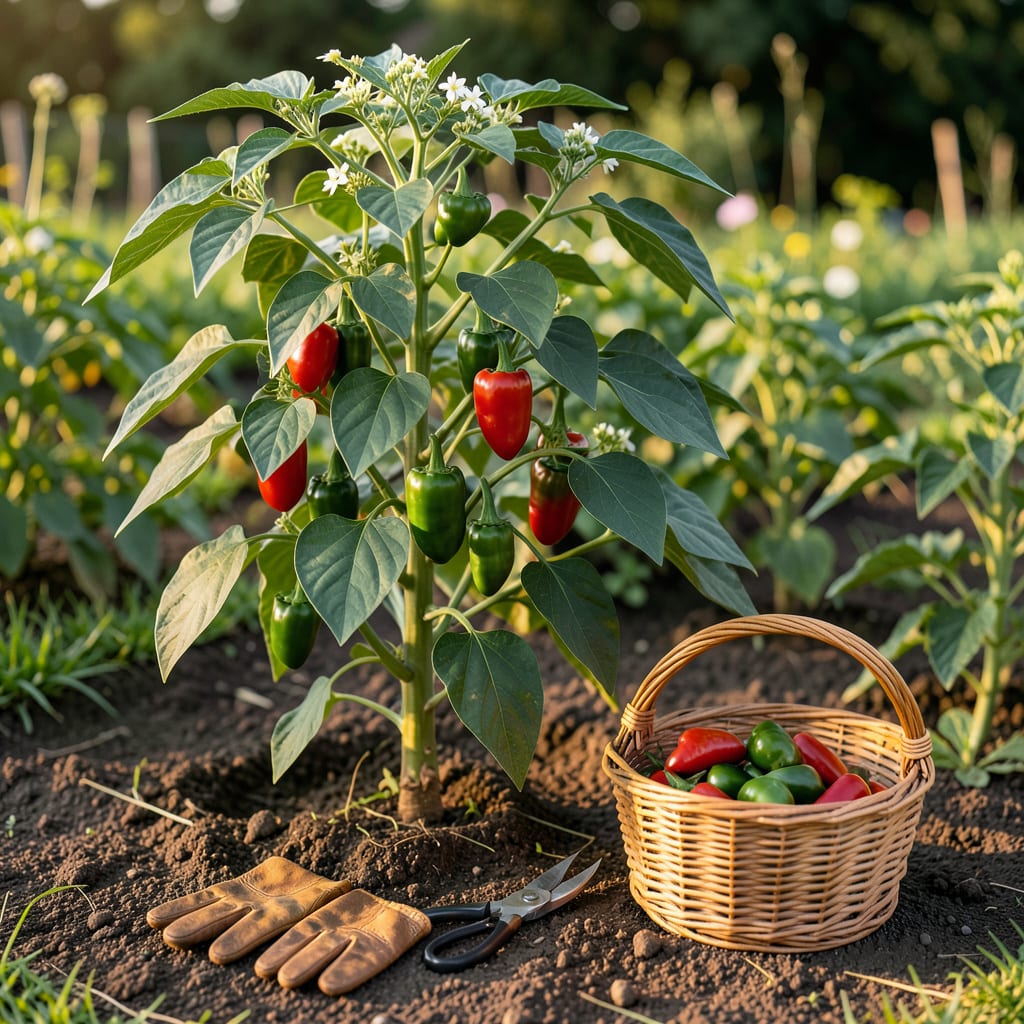
Nothing beats the satisfaction of harvesting your own mammoth jalapeños at just the right moment. I’ve learned that timing is everything when it comes to getting that perfect size and heat level.
From subtle color shifts to key texture changes, I’ll show you exactly what to look for. Let’s make sure you pick them at their peak for the best flavor and spice.


I always watch for visual cues when my mammoth jalapeños are nearing harvest. The most obvious sign is size—these giants should reach 4-6 inches long before picking for optimal flavor and heat.
Color is another key indicator. While they start green, they’ll transition to deep red when fully mature. This color shift signals peak capsaicin development, meaning maximum spiciness.
Texture matters just as much as size and color. A ripe mammoth jalapeño will feel firm and smooth, with a slight gloss to its skin. If it feels soft or the skin looks dull, it’s not ready yet.
I’ve noticed the stem also gives clues. When the pepper is ripe, the stem may start to crack slightly where it meets the fruit. This is nature’s way of saying it’s time to harvest.
For the best flavor, I pick my mammoth jalapeños when they’re fully green but have reached their mature size. This stage offers a balanced heat that’s not too mild or too intense.
If you prefer hotter peppers, leave them on the plant until they turn red. The longer they mature, the more capsaicin they develop, which means more heat in every bite.
Don’t forget to check the plant itself. Healthy mammoth jalapeño plants will have dark green leaves and sturdy stems. If the plant looks stressed, it might be time to harvest all peppers to reduce its load.
I always use sharp pruners or scissors to harvest. This prevents damage to the plant and ensures a clean cut. Pulling peppers off by hand can sometimes harm the stem or nearby fruit.
After picking, I inspect each pepper for uniform color and firmness. Any with soft spots or uneven coloring get set aside for immediate use, while the best ones go into storage.
Remember, mammoth jalapeños will continue to ripen off the vine, but their heat level won’t increase. For the spiciest results, let them fully ripen on the plant before harvesting 🌿
I’ve found that heat level in mammoth jalapeños evolves as they ripen. The capsaicin—the compound that makes peppers spicy—increases the longer the pepper stays on the plant. This means green peppers are milder than red ones.
When mammoth jalapeños are deep green, they typically have a medium heat level. As they mature and turn red, the capsaicin concentration rises, making them significantly hotter. This is why I always check the color before deciding when to pick.
Some gardeners prefer picking at the green stage for a milder flavor, perfect for stuffing or fresh salsas. I often harvest a mix of both to suit different recipes and taste preferences in my household.
If you’re growing mammoth jalapeños for maximum heat, patience is key. Waiting until they turn fully red ensures the highest capsaicin content. Just be sure to monitor them closely, as overripe peppers can become too soft.
I’ve noticed that environmental factors like sunlight and water stress can also influence heat. Peppers grown in hotter conditions with less water tend to develop more capsaicin, making them spicier even at the same color stage.
For a consistent heat level, harvest your mammoth jalapeños when they reach the desired color and size. This way, you’ll get predictable spiciness in every batch, whether you’re using them fresh or preserving them for later 🌿
I’ve seen many gardeners make avoidable errors when harvesting mammoth jalapeños. The most common is picking too early, which results in underdeveloped flavor and heat. These peppers need time to reach their full potential.
Another frequent mistake is using dull tools to harvest. This can crush the stems and damage the plant, reducing future yields. I always keep my pruners sharp for clean cuts that promote plant health.
⚠️ Warning: Never pull mammoth jalapeños off by hand. This can damage the plant and reduce future production. Always use clean, sharp tools for harvesting.
Ignoring plant stress signs is another pitfall. If your mammoth jalapeño plant has yellowing leaves or wilting stems, it might be struggling. In such cases, I harvest all ripe peppers to ease the plant’s burden.
Some gardeners also overlook size as a harvest indicator. Mammoth jalapeños should be 4-6 inches long before picking. Smaller peppers won’t have developed their full flavor or heat profile.
Finally, timing matters. Harvesting in the early morning when peppers are most hydrated ensures better texture and flavor. I also avoid picking during rainy weather to prevent spoilage.
By avoiding these common mistakes, you’ll ensure a bountiful harvest of perfectly ripe mammoth jalapeños every time 🌿
Wait until they reach 4-6 inches long. This size ensures full flavor and heat development. Smaller peppers may be underripe and lack their signature kick.
Yes! They start green and turn deep red when fully mature. Green ones are milder, while red peppers pack more heat due to increased capsaicin.
If leaves yellow or wilt, harvest ripe peppers to reduce the plant’s load. This helps the plant recover and focus on new growth.
Pick in the early morning when peppers are most hydrated. Avoid rainy days to prevent spoilage and ensure peak texture.
