
Beautiful Plants For Your Interior
Beautiful Plants For Your Interior
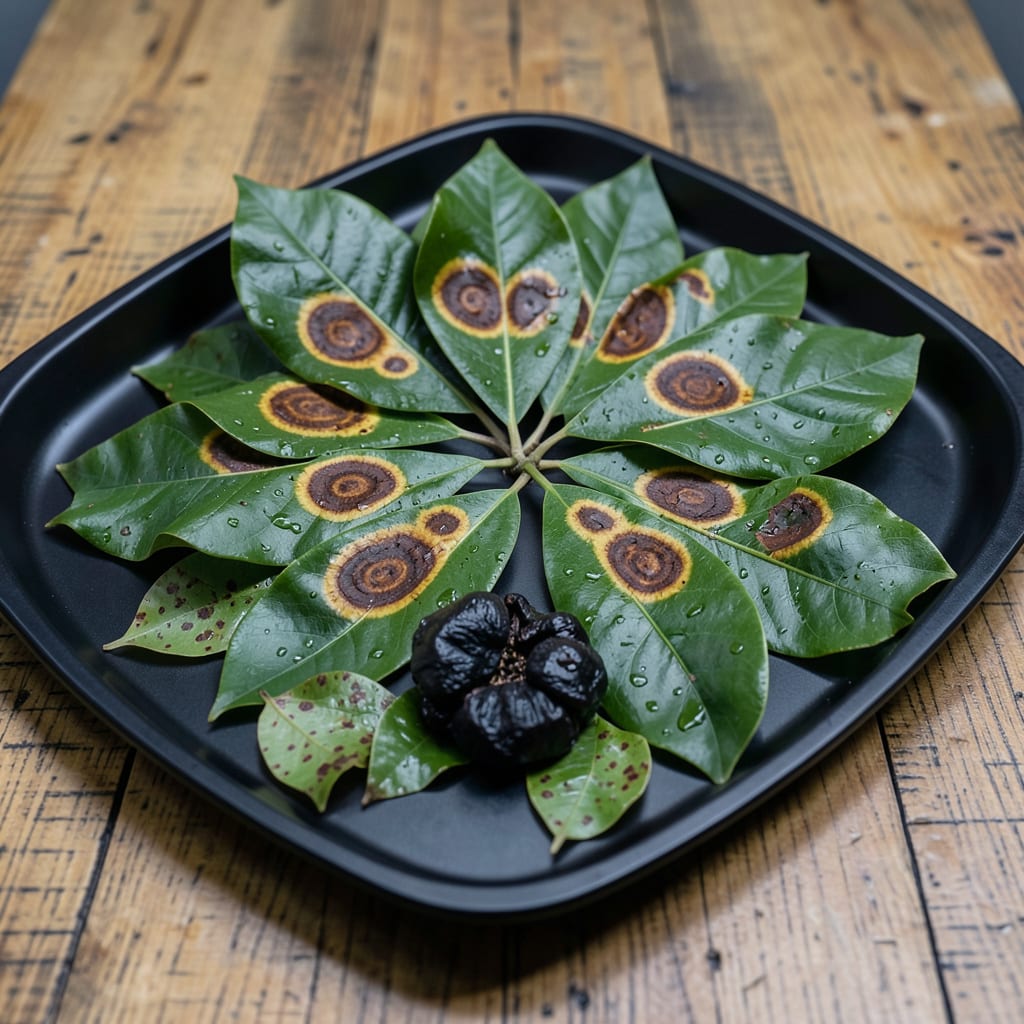
Those brown spots on your magnolia leaves aren’t just ugly—they’re a warning sign. I’ve lost count of how many gardeners ignore early symptoms until the damage spreads across their entire tree.
Leaf spot starts small but can defoliate a magnolia by midsummer if left unchecked. The good news? Catching it early means you can stop the spread with simple, targeted treatments.
You’ll see the difference within 2-3 weeks of treatment: healthier foliage, stronger growth, and a tree that looks like it’s ready to bounce back. Prevention is even easier once you know what to watch for.
Works for all magnolia varieties, from southern magnolias to star magnolias. Here’s how to save your tree before it’s too late.
Leaf spot diseases in magnolias are primarily driven by fungal and bacterial pathogens, environmental stressors, and poor cultural practices. Understanding the root causes helps you target prevention and treatment effectively.
The most common culprits are Cercospora, Septoria, and Phyllosticta species. These fungi thrive in warm, humid conditions, spreading via water splashes or wind. They infect leaves through stomata or wounds, producing characteristic dark, circular spots with yellow halos. Overhead irrigation and crowded plantings exacerbate fungal growth.
Pseudomonas and Xanthomonas bacteria cause angular, water-soaked lesions that later turn brown or black. Bacteria enter through natural openings or injuries, often during wet weather. Unlike fungal spots, bacterial lesions may ooze a sticky fluid when humid, and they spread rapidly in dense foliage with poor air circulation.
Drought, excessive moisture, or extreme temperatures weaken magnolias, making them susceptible to infections. Overwatering creates a perfect breeding ground for pathogens, while drought-stressed trees struggle to fend off invasions. Poor soil drainage or high humidity (above 80%) also encourages disease development.
Improper pruning, contaminated tools, or failing to remove fallen leaves can spread pathogens. Overhead watering wets foliage for extended periods, promoting spore germination. Additionally, planting magnolias too close together reduces airflow, trapping moisture and accelerating disease progression.
Tackling leaf spot on your magnolia starts with identifying the cause and applying targeted fixes. Here’s a practical guide to restore your plant’s health:
If fungal spots appear, prune infected leaves immediately to stop the spread. Dispose of them in sealed bags—never compost. Apply a copper-based fungicide or neem oil spray weekly until symptoms fade. Prevention tip: 💡 Improve air circulation by thinning crowded branches and avoiding overhead watering.
For bacterial issues, remove affected foliage and disinfect pruning tools with rubbing alcohol. Switch to drip irrigation to keep leaves dry. Apply a bactericide like copper hydroxide, but test on a small area first. Prevention tip: ✨ Water early in the day so leaves dry quickly, and space plants to reduce humidity.
If pests (e.g., scale or aphids) are causing spots, blast them off with water or use insecticidal soap. For stubborn infestations, apply horticultural oil. Prevention tip: 🎯 Encourage beneficial insects like ladybugs and inspect leaves regularly for early signs.
Yellowing or spotted leaves from poor drainage or nutrient deficiencies? Amend soil with compost for better drainage and test pH (magnolias prefer 5.0–6.5). Fertilize with a balanced, slow-release formula in spring. Prevention tip: 🌡️ Mulch to retain moisture but avoid piling it against the trunk.
Consistency is key—monitor your magnolia weekly and act at the first sign of trouble!
Fungal spots are usually circular with defined edges and yellow halos. Bacterial spots appear water-soaked, angular, and may ooze fluid in humid conditions.
Seal them in a plastic bag and throw them in the trash. Never compost diseased foliage, as this can spread pathogens back to your garden.
A mild baking soda solution can help prevent fungal spread but won’t cure severe infections. For best results, combine with neem oil and reapply after rain.
Apply fungicide or bactericide every 7-10 days until symptoms disappear. Always treat after heavy rain or when new spots appear.
