
Beautiful Plants For Your Interior
Beautiful Plants For Your Interior
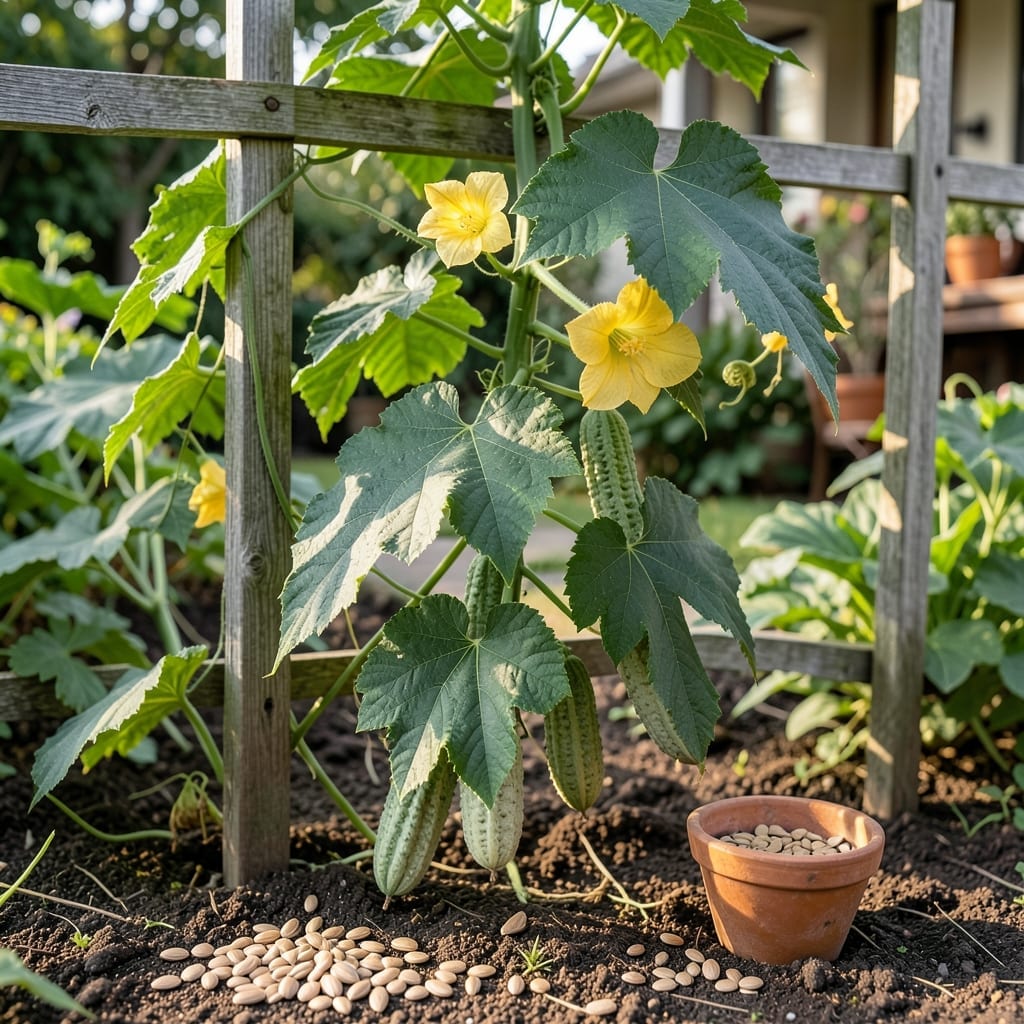
Growing your own 🥬 Luffa from seed is a uniquely rewarding experience that yields both natural sponges and fresh vegetables. The challenge often lies in locating quality seeds close to home.
I discovered that sourcing luffa seeds nearby makes all the difference in successful germination and climate adaptation. Local seeds often sprout faster and grow stronger in your specific conditions.
Whether you’re a seasoned gardener or just starting, finding the right seeds locally can be a game-changer. It transforms your growing experience from frustrating to fruitful.
Let me guide you through the easiest ways to find luffa seeds in your area and get your garden thriving this season.
Finding luffa seeds nearby starts with checking your local garden centers and nurseries. These spots often carry heirloom seeds or seasonal specialties, and staff can advise on best varieties for your region. I always call ahead to confirm availability before making a trip.
For a broader selection, visit farmers markets where small vendors may sell luffa seeds alongside plants. Specialty seed shops in urban areas often stock organic luffa seeds, perfect for those seeking non-GMO options. 🌱
| Source | Notes |
|---|---|
| Garden Centers | Seasonal stock, ask for luffa gourds |
| Farmers Markets | Local growers, small batches |
| Seed Shops | Organic and heirloom options |
| Online Pickup | Order for store pickup |
| Seed Swaps | Community seed exchanges |
Don’t overlook online retailers with local pickup options. Many large garden suppliers allow you to order seeds online and collect them at a nearby store, saving time and shipping costs. I frequently use this method for rare luffa varieties not stocked locally.
Another great resource is seed swaps hosted by gardening clubs or community groups. These events let you trade seeds with fellow gardeners, often featuring locally adapted luffa seeds that thrive in your area. Check community boards or social media for upcoming events.
When visiting a store, ask about seed freshness and germination rates. Fresh luffa seeds should be plump and firm, not shriveled or cracked. I always inspect the packaging date—seeds older than 2 years may have lower viability.
For those in rural areas, feed stores and agricultural co-ops sometimes carry luffa seeds, especially in regions where gourds are popular. These stores cater to farmers and often have bulk seed options at better prices.
If you prefer organic seeds, look for USDA Organic certification on the label. Many local health food stores also stock organic luffa seeds, though selection may be limited. I’ve found some of my best seeds this way.
Before purchasing, confirm the luffa variety. Smooth luffa is ideal for sponges, while ridged luffa works well for both sponges and culinary uses. Staff at specialty stores can often provide growing tips tailored to your climate.
Finally, consider joining local gardening groups on platforms like Facebook or Nextdoor. Members often share excess seeds or recommend trusted local suppliers. I’ve received some of my best luffa seeds from generous gardeners in these communities.
With a little effort, you’ll find quality luffa seeds nearby and be well on your way to growing your own natural sponges or fresh vegetables. Happy hunting! 🌿
Finding the best luffa seeds nearby starts with knowing what to look for. I always check the packaging date first—fresher seeds mean higher germination rates. Avoid any with torn or faded labels.
Local garden centers often carry region-adapted varieties, which gives your luffa a head start in your climate. Ask staff about organic certification if that matters to you.
Check the expiration date on the seed packet for maximum viability.
Look for smooth luffa if you want sponges or ridged luffa for eating.
Verify germination rates—aim for 80% or higher for best results.
Avoid seeds stored in hot or humid conditions.
Buy from trusted local nurseries with high turnover for freshness.
I’ve found that smooth luffa seeds are easiest to find locally, but ridged varieties may require a specialty store. Always inspect the seed color and size—healthy luffa seeds are plump and dark.
Another pro tip: ask if the seeds are open-pollinated so you can save seeds from your harvest for next year. This builds a self-sustaining garden over time.
Finally, don’t hesitate to call ahead to confirm seed availability. Many stores will hold luffa seeds for you if you ask nicely.
With these tips, you’ll be growing vibrant luffa vines in no time 🌱