
Beautiful Plants For Your Interior
Beautiful Plants For Your Interior
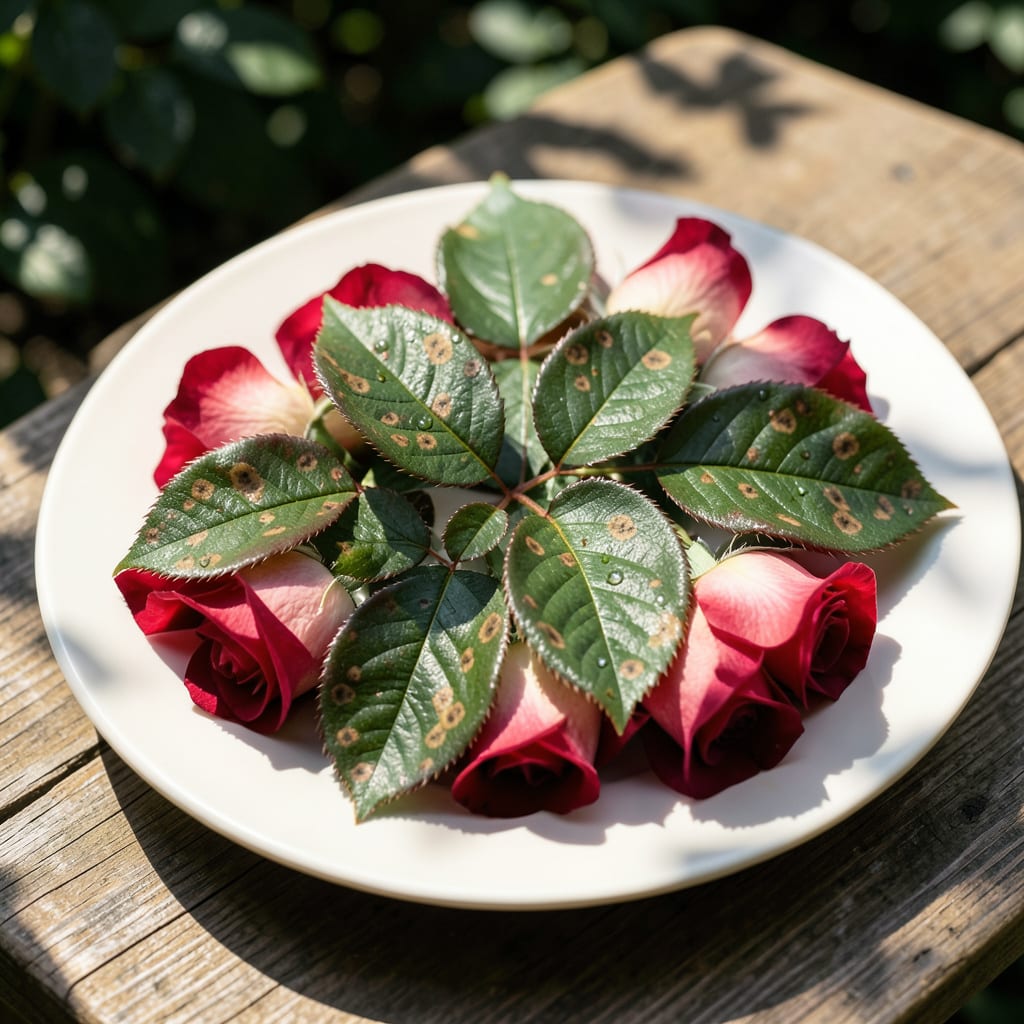
Those light brown spots on your rose leaves aren’t just unsightly—they’re a cry for help. I’ve seen this pattern before, and it usually means one of two things: either a fungal party is crashing on your plants, or they’re starving for the wrong nutrients.
Black spot fungus loves to show up as light brown edges with darker centers, while nutrient issues often create uniform yellowing between veins. The wrong diagnosis means wasted time and treatments that don’t work.
Here’s the thing—both problems are fixable, but you need to act fast. Left unchecked, fungal spores spread through your entire garden, and nutrient deficiencies weaken plants for next season.
We’ll walk through how to tell them apart and exactly what to do about each. Your roses can bounce back stronger than ever.
Light brown spots on rose leaves often signal underlying issues that disrupt the plant’s health. Below are the most common causes, explained with actionable insights.
Fungi like Cercospora or Alternaria thrive in warm, humid conditions, leading to circular or irregular brown spots with darker edges. These pathogens spread via water splashes or contaminated tools. Poor air circulation exacerbates the problem, creating a perfect breeding ground.
Overwatering or underwatering can stress roses, causing leaf discoloration. Excess moisture promotes fungal growth, while drought weakens the plant, making it susceptible to secondary infections. Inconsistent watering often results in scorched or spotted leaves.
A lack of essential nutrients like magnesium (interveinal chlorosis) or potassium (leaf margin browning) can manifest as light brown spots. Soil pH imbalances may also lock out nutrients, even if they’re present. Test soil to confirm deficiencies before amending.
Sap-sucking pests like spider mites or thrips pierce leaf tissues, causing stippling or brown patches. Their feeding disrupts chlorophyll production, leading to discoloration. Inspect leaf undersides for webbing or tiny insects.
Extreme heat, cold drafts, or excessive sunlight can scorch rose leaves, creating dry, brown spots. Sudden temperature swings or poor placement (e.g., near reflective surfaces) often trigger this reaction.
Tackling light brown spots on rose leaves starts with pinpointing the cause. Below are targeted fixes for the most common culprits, plus prevention tips to keep your roses thriving.
Fix: Remove and destroy infected leaves to prevent spread. Apply a copper-based fungicide or neem oil every 7–10 days until spots disappear. For severe cases, use a systemic fungicide like Propiconazole.
Prevention: Water roses at the base (avoid wetting leaves) and ensure good air circulation. Prune dense foliage to reduce humidity. 💡 Pro tip: Space plants 3–4 feet apart for better airflow.
Fix: Switch to drip irrigation or a soaker hose to keep leaves dry. If underwatering is the issue, deep-soak the soil 1–2 inches weekly (more in extreme heat).
Prevention: Water early in the morning so leaves dry quickly. Mulch around the base to retain moisture and prevent splashing.
Fix: Test soil pH (ideal: 6.0–6.5). For magnesium deficiency (interveinal yellowing with brown spots), apply Epsom salt (1 tablespoon per gallon of water) as a foliar spray. For potassium deficiency, use a balanced rose fertilizer or add wood ash to the soil.
Prevention: Feed roses with a slow-release, rose-specific fertilizer every 4–6 weeks during growing season. ✨ Pro tip: Organic compost improves soil health long-term.
Fix: Spray leaves with insecticidal soap or horticultural oil to eliminate spider mites or thrips. For severe infestations, use pyrethrin-based sprays.
Prevention: Inspect leaves weekly for pests. Encourage beneficial insects like ladybugs by planting companion flowers (e.g., marigolds).
Consistency is key—address issues early, and your roses will reward you with vibrant, spot-free foliage! 🌹
Look for circular patterns with darker edges or yellow halos. Fungal spots often merge and appear on lower leaves first. A magnifying glass may reveal tiny spores.
Yes, remove spotted leaves immediately to prevent spread. Use clean shears and dispose of debris far from plants. Never compost diseased foliage.
Soggy soil stresses roses and encourages fungal growth. Check soil moisture 2 inches deep before watering. Morning watering is best.
Start with neem oil or copper fungicide for fungi. For pests, use insecticidal soap. Always treat both leaf surfaces for best results.
