
Beautiful Plants For Your Interior
Beautiful Plants For Your Interior
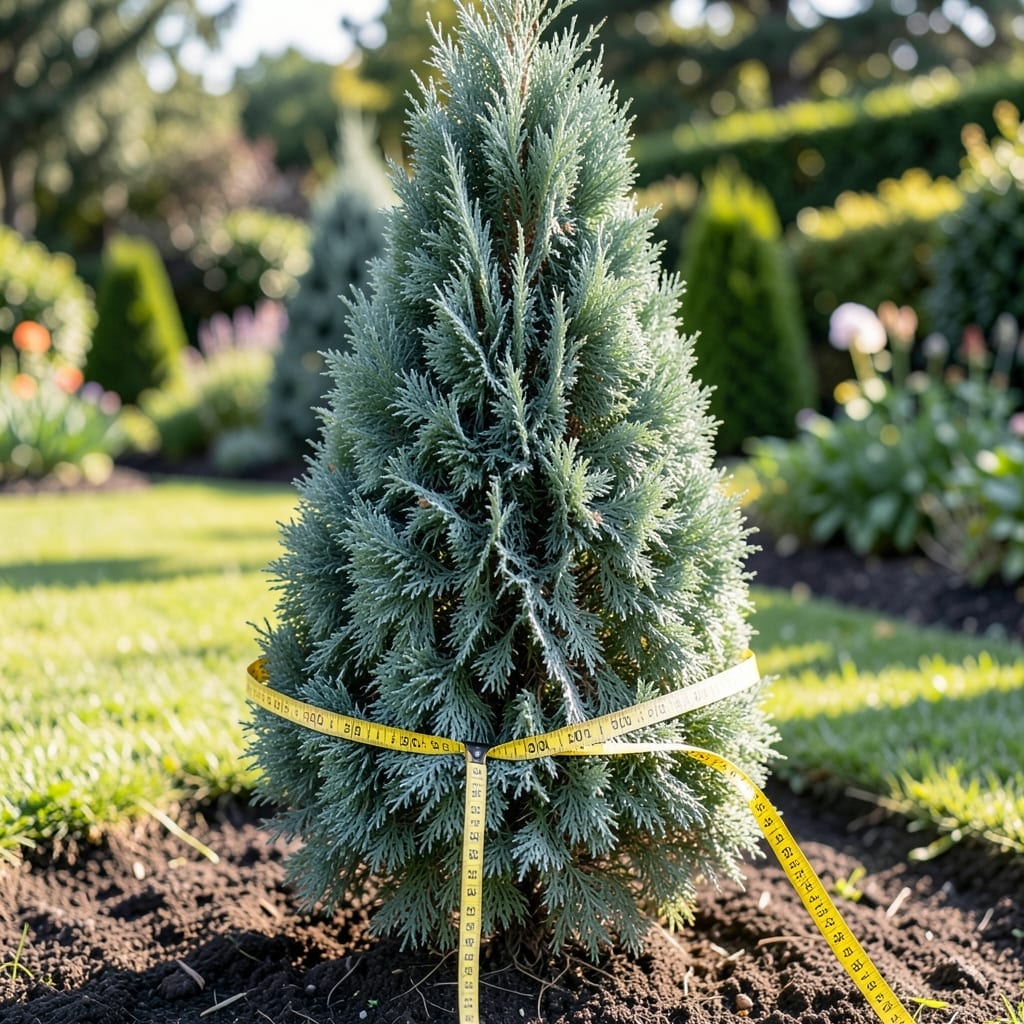
Imagine planting a Leyland Cypress 🌲 only to watch it outgrow its space in just a few years. This fast-growing evergreen can reach surprising heights, often catching gardeners off guard with its impressive dimensions.
Getting the spacing right from the start saves you headaches later. Without proper planning, these trees can crowd fences, buildings, or even each other, leading to maintenance nightmares.
I’ll walk you through the typical mature size of Leyland Cypress, so you can plant with confidence. You’ll also learn how to space them effectively for a lush, manageable landscape.
Discover the key to balancing beauty and practicality in your yard. Let’s make sure your evergreens thrive without taking over.
If you’re considering Leyland Cypress for your landscape, understanding its mature dimensions is key. These evergreens can grow 60 to 70 feet tall and 15 to 20 feet wide in ideal conditions. That’s taller than a 4-story building, so plan accordingly.
Their rapid growth rate of 3 to 4 feet per year means they can quickly outpace poorly planned spaces. Factors like soil quality, climate, and care routines influence their final size, so it’s best to prepare for the upper range.
| Attribute | Specification |
|---|---|
| Mature Height | 60-70 ft |
| Mature Width | 15-20 ft |
| Growth Rate | 3-4 ft/year |
| Year 1 Height | 2-3 ft |
| Year 3 Height | 10-12 ft |
In the first year, expect your Leyland Cypress to reach about 2 to 3 feet. By year three, it can tower at 10 to 12 feet. This rapid early growth is why spacing is so critical from the start.
Soil plays a major role in dimensions. Well-draining soil encourages healthy root development, which supports taller, fuller growth. In contrast, poor soil can stunt its potential, leading to a smaller, weaker tree.
Climate also impacts size. In warmer zones (7-10), Leyland Cypress tends to grow taller and faster. In cooler zones (6-7), growth may be slower, but the tree can still reach impressive heights with proper care.
Consistent watering and fertilizing during the growing season help maximize growth. I recommend a balanced fertilizer every 6-8 weeks to support its rapid development.
Pruning is another factor. While Leyland Cypress doesn’t require heavy pruning, light trimming can help maintain a desired shape and prevent overgrowth into unwanted areas. Just avoid cutting into old wood, as it may not regrow.
If you’re planting near structures, remember that roots can spread as wide as the tree’s height. Keep them at least 15 feet away from buildings, fences, or driveways to avoid future issues.
For a dense hedge, space plants 8 to 10 feet apart. This allows room for growth while creating a lush, continuous screen. For a single specimen, give it at least 20 feet of open space in all directions.
With the right conditions, your Leyland Cypress can become a stunning focal point in your landscape. Just be sure to account for its impressive mature size from the start 🌲
Proper spacing is the secret to a healthy Leyland Cypress hedge or screen. These evergreens grow 3-4 feet per year, so giving them room to thrive prevents future problems.
I’ve seen too many gardeners plant these trees too close, only to face overcrowding and disease issues later. Planning ahead ensures your landscape stays beautiful and manageable. 🌿
For a single-row hedge, I recommend 8-10 feet apart to allow each tree enough light and air circulation. This spacing creates a full, lush screen without overcrowding.
A double-row hedge can be planted 6-8 feet apart in staggered rows. This creates a denser barrier, perfect for privacy or windbreaks in larger landscapes. ✂️
Always keep Leyland Cypress at least 10-15 feet away from structures, fences, or property lines. Their roots and branches spread widely, and encroachment can damage foundations or create maintenance headaches.
If space is limited, consider dwarf varieties or alternative evergreens. Proper planning now prevents costly adjustments later, ensuring your landscape remains both functional and stunning. 🌳