
Beautiful Plants For Your Interior
Beautiful Plants For Your Interior
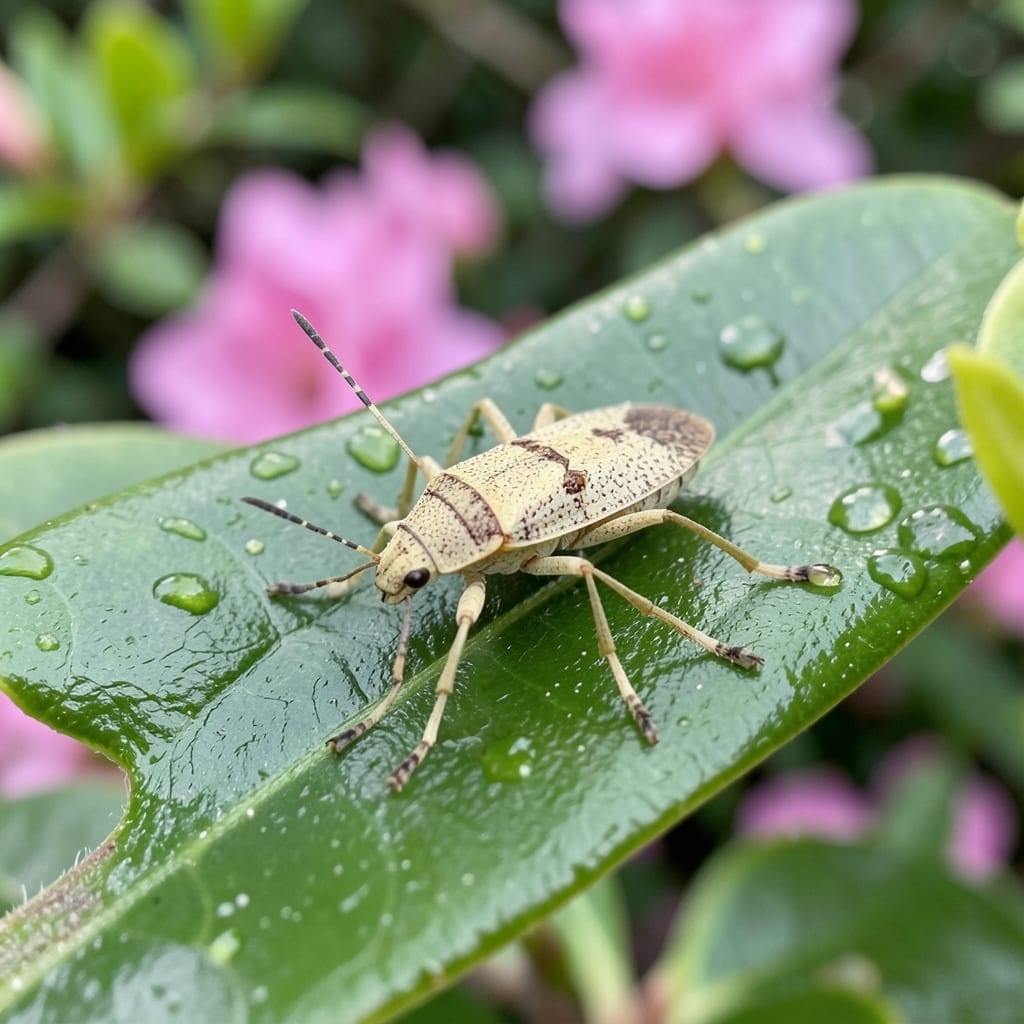
White stippling on azalea leaves means trouble. I first noticed lace bug damage when my prize shrubs looked like someone had sprinkled them with bleach.
The pests are tiny, but their impact is obvious—yellowed, mottled foliage that weakens the plant over time. Catching them early saves weeks of recovery.
You’ll spot the damage before you see the bugs themselves. Look for pale, speckled patterns on the upper leaf surfaces while the undersides hide the culprits.
Fast action restores plant health and prevents spread to other azaleas in your garden. Here’s how to stop them in their tracks.
Lace bugs thrive on azaleas due to a combination of environmental and plant-specific factors. Understanding these triggers helps you prevent and manage outbreaks effectively.
Lace bugs prefer dry, sunny areas where azaleas often grow. Prolonged drought or insufficient irrigation weakens the plant, making it more susceptible. These pests feed on sap from the undersides of leaves, and dry foliage offers less resistance to their piercing mouthparts.
These pests are most active in late spring to early summer when temperatures rise above 75°F (24°C). Azaleas in full sun or reflective heat zones (e.g., near pavement) create ideal breeding grounds. Eggs hatch faster in warmth, accelerating infestation cycles.
Azaleas stressed by nutrient deficiencies (especially nitrogen) or improper pH (outside 4.5–6.0) attract lace bugs. Weak plants lack the vigor to resist feeding damage, leading to stunted growth and yellowing leaves. Over-fertilization can also soften new growth, making it easier for bugs to penetrate.
In gardens with limited biodiversity, lace bugs face few threats. Predatory insects like lady beetles, lacewing larvae, and spiders keep populations in check, but pesticide overuse or monoculture plantings can eliminate these allies, allowing lace bugs to multiply unchecked.
Dealing with lace bugs on your azaleas requires a mix of immediate action and long-term prevention. Here’s how to tackle each issue effectively:
If you spot a few lace bugs early, handpick them off leaves and drop them into soapy water. Use a soft brush or cloth to gently dislodge nymphs and eggs from the undersides of leaves. Pro tip: 💡 Do this in the early morning when bugs are slower.
For larger groups, apply neem oil or insecticidal soap to both sides of the leaves. These solutions smother bugs without harming beneficial insects. How to use: Mix according to package instructions and spray in the evening to avoid harming bees. Reapply every 5–7 days until the infestation clears.
If lace bugs persist, use a systemic insecticide like imidacloprid. Apply it to the soil so the plant absorbs it, targeting bugs from within. Note: ✨ Follow label instructions carefully and avoid using during bloom periods to protect pollinators.
Remember: Consistency is key—lace bugs reproduce quickly, so stay vigilant!
Look for pale yellow or white stippling on the upper leaf surfaces. The undersides may have dark varnish-like spots from their waste.
They thrive in late spring to early summer when temperatures exceed 75°F (24°C). Warm, dry conditions speed up their life cycle.
Yes! Neem oil or insecticidal soap work well for mild infestations. Spray in the evening and reapply every 5–7 days.
They prefer azaleas but may also attack rhododendrons, pieris, and andromeda. Keep an eye on nearby susceptible plants.