
Beautiful Plants For Your Interior
Beautiful Plants For Your Interior
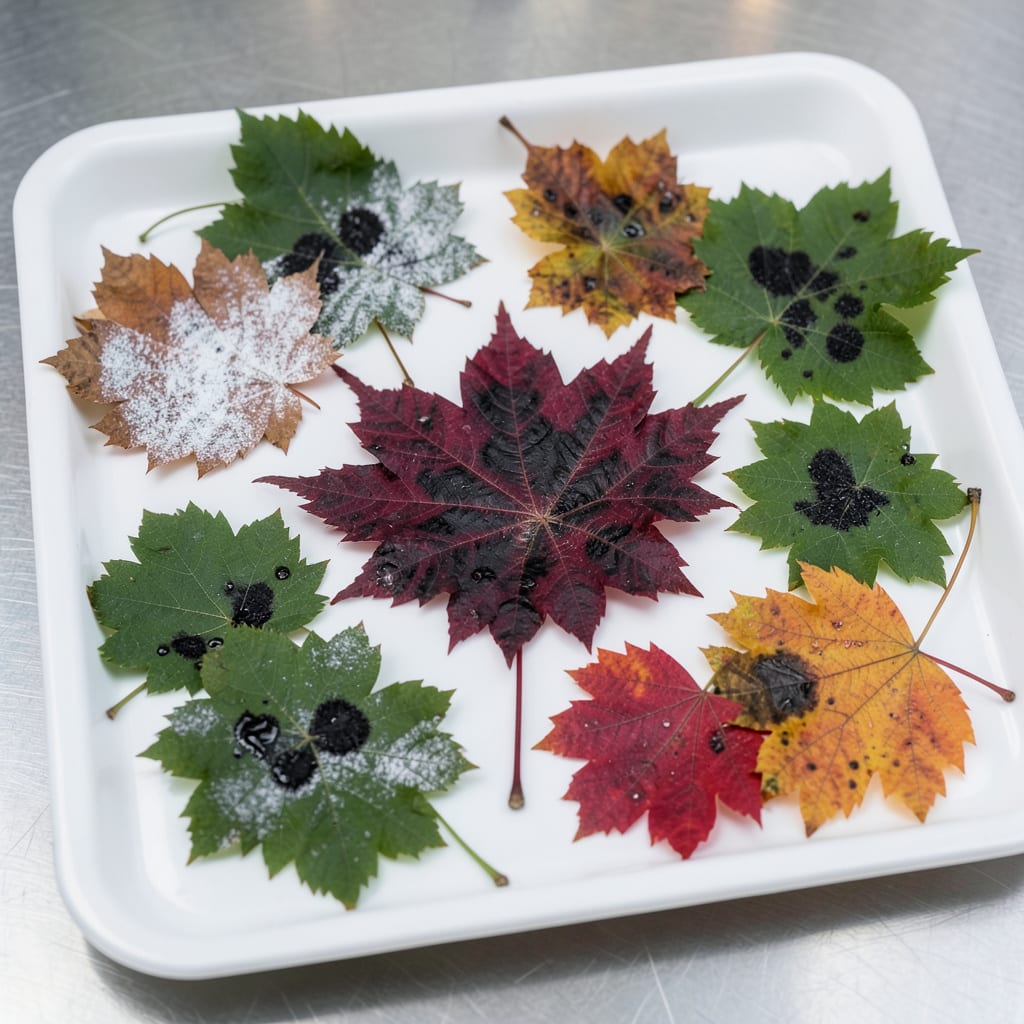
Spotted something off on your Japanese maple? I’ve been there—watching leaves curl, blacken, or develop strange spots overnight. It’s alarming, but most issues have clear visual clues you can learn to recognize.
Early diagnosis saves trees. I’ve saved mine by catching trouble before it spreads: fungal spots, tar-like cankers, or powdery coatings that signal problems. The key is knowing what healthy growth looks like first.
With the right images and descriptions, you’ll identify issues in minutes instead of guessing for weeks. Each disease leaves a distinct fingerprint on leaves, bark, or branches.
Prevention starts with observation. Regular checks and simple cultural practices keep most problems from taking hold in the first place.
Understanding why diseases strike your Japanese maple is the first step to prevention and treatment. These elegant trees are vulnerable to a range of pathogens and environmental stressors. Below are the primary causes, explained in clear, scientific terms.
Fungi are the most common culprits behind Japanese maple diseases. Anthracnose, powdery mildew, and root rot thrive in wet, humid conditions. Fungal spores spread via wind, rain, or contaminated tools, infecting leaves, stems, or roots. Overhead watering and poor air circulation exacerbate the problem.
Bacteria like Pseudomonas syringae cause leaf spot and blight. These pathogens enter through wounds or stomata (leaf pores) and multiply rapidly in warm, moist environments. Infected trees often show water-soaked lesions or blackened veins on leaves.
Insects such as aphids, scale, and mites weaken the tree by feeding on sap, creating entry points for diseases. Their honeydew secretions also promote sooty mold growth, a secondary fungal issue that blocks sunlight and reduces photosynthesis.
Extreme temperatures, drought, or waterlogged soil stress the tree, lowering its defenses. Sun scorch (leaf burn) and winter injury can also create openings for pathogens. Poor soil drainage or compacted roots further compromise health.
Lack of essential nutrients (e.g., nitrogen, iron, or manganese) weakens the tree’s immune system. Chlorosis (yellowing leaves) often signals deficiencies, making the plant more susceptible to infections.
By addressing these root causes—improving drainage, pruning for airflow, or applying fungicides preventatively—you can keep your Japanese maple vibrant and disease-free.
When your Japanese maple shows signs of disease, quick and targeted action is key. Below are practical fixes for common issues, paired with prevention tips to keep your tree thriving long-term.
Trim infected leaves and branches with sterilized pruners to stop the spread of anthracnose. Space out nearby plants to boost airflow, and rake up fallen leaves to reduce fungal spores. Prevention tip: Water at the base of the tree in the morning so foliage dries quickly. 💡
For tar spot, remove and destroy infected leaves immediately. Apply a copper-based fungicide in early spring or fall to protect new growth. Prevention tip: Mulch around the tree to prevent soil-borne spores from splashing onto leaves during rain. ✨
Blast pests like aphids or scale off with a strong stream of water, or use insecticidal soap. Introduce beneficial insects like ladybugs to keep populations in check. Prevention tip: Inspect leaves regularly, especially the undersides, to catch infestations early. 🎯
Prune out branches showing verticillium wilt (discolored, wilting foliage) and sterilize tools between cuts with rubbing alcohol. Avoid planting in soil where susceptible plants (like tomatoes or potatoes) have grown. Prevention tip: Improve soil drainage to discourage fungal growth. 🌱
If root rot is suspected, reduce watering and ensure the soil drains well. Amend heavy clay soil with compost or sand. For severe cases, carefully dig up the tree, trim rotten roots, and replant in fresh, well-draining soil. Prevention tip: Use a moisture meter to avoid overwatering. 💧
Healthy leaves are vibrant green or red, smooth, and free of spots or discoloration. They should feel firm, not brittle or sticky. Compare suspect leaves to new growth at the tree’s top for the best reference.
Check your Japanese maple weekly during growing season, focusing on leaf undersides and branch junctions. Early morning is ideal since dew makes symptoms more visible.
Yes, if you act fast. Remove all infected parts with sterilized tools, improve cultural conditions, and apply appropriate treatments. Trees often recover fully with proper care.
