
Beautiful Plants For Your Interior
Beautiful Plants For Your Interior
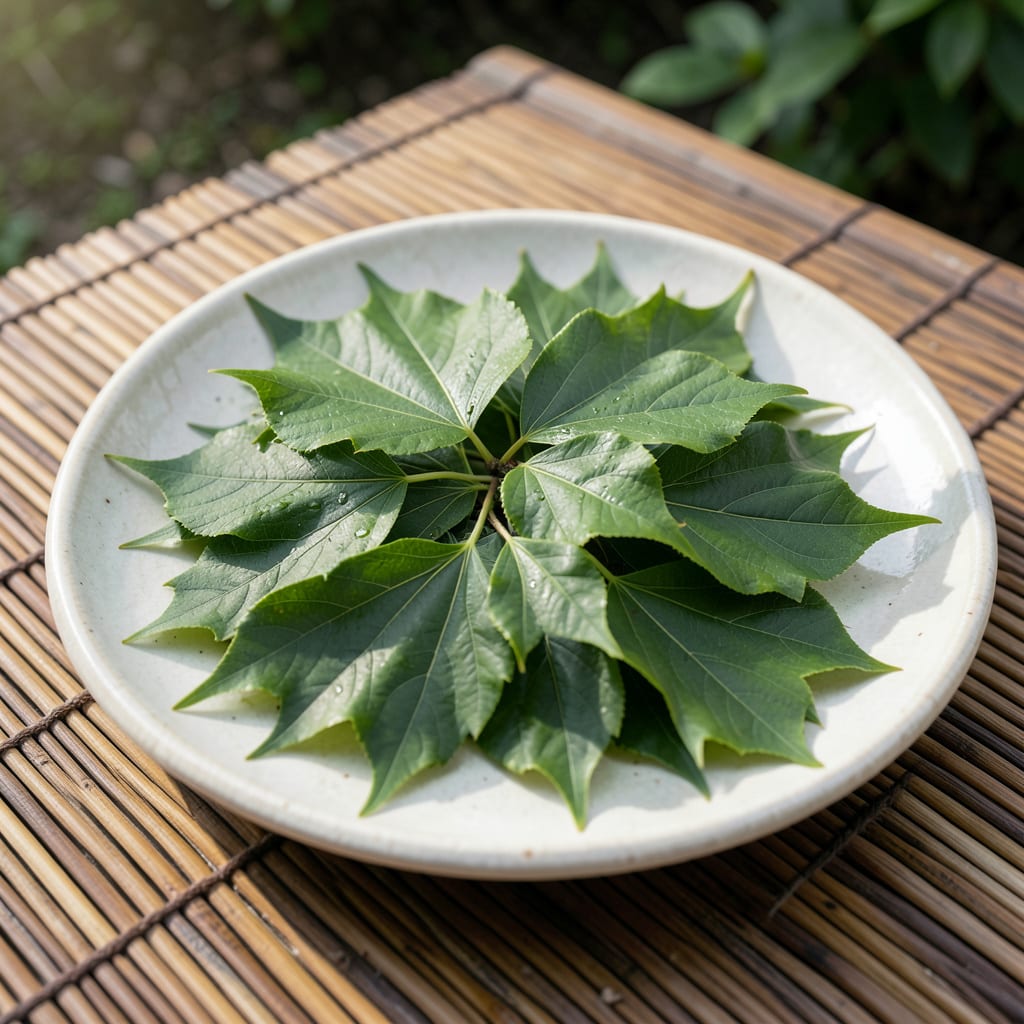
Japanese elm leaves catch the eye first—sharp, doubled serrations and that deep green sheen that turns fiery in fall. I planted mine three years ago and still stop to admire how the light dances through them.
They thrive in average soil with consistent moisture, but here’s the thing—drought stress shows up fast in the foliage. Get the conditions right and you’ll have a low-maintenance tree with leaves that put on a show every autumn.
📚 In This Guide
Here’s how I distinguish this species from lookalikes in any season.
Japanese elm leaves are ovate to oblong with a slightly asymmetrical base, typically measuring 1.5 to 3 inches long and 1 to 1.5 inches wide. The tip tapers to a pointed apex, while the base often appears uneven where it meets the petiole.
I always check the leaf margin first—this species has a doubly serrated edge, meaning the teeth themselves have smaller teeth. This is more pronounced than the single serration of American elms. The texture is slightly rough to the touch due to these fine serrations.
The venation pattern is pinnate, with 8 to 12 lateral veins extending from the midrib to the margin. These side veins curve upward as they approach the leaf edge, creating a subtle arching pattern that’s visible when holding the leaf to the light.
Both surfaces feel slightly scabrous—like fine sandpaper—due to tiny hairs. The upper surface is a deep green in summer, while the underside appears paler with a faintly rough texture. I run my fingers across both sides to confirm this tactile difference.
In spring, the leaves emerge with a reddish tint before maturing to dark green. Come autumn, they transform dramatically. The most reliable identifier is the golden-yellow to reddish-purple fall color, which develops earlier than many other elm species.
I’ve found that the color change starts at the leaf margins and progresses inward. The most vibrant displays occur when days are sunny and nights are cool—conditions that trigger the most intense anthocyanin production in the foliage.
While the leaves themselves are distinctive, I always verify by checking the twigs. Japanese elm has a zigzag branching pattern where the leaves emerge from alternate nodes. This creates a slightly irregular silhouette compared to the more symmetrical growth of other elms.
The leaf arrangement is alternate, with each leaf emerging from a different height on the stem. When examining a branch, you’ll notice the leaves don’t directly oppose each other but rather spiral slightly around the stem. This is a key distinguishing feature from species with opposite leaf arrangement.
These observations will help you confidently identify Japanese elm in any season.
Leaf Margin Focus: In Step 1, pay closest attention to the doubly serrated edge—this is the most reliable distinguishing feature. The teeth-on-teeth pattern is far more pronounced than American elms, which only have single serrations. I’ve found that running my finger along the margin makes the difference immediately apparent.
Vein Verification: For Step 2, hold leaves up to the light to clearly see the 8 to 12 lateral veins. The upward curve as they approach the margin creates a subtle arching pattern that’s unique to this species. This detail is often overlooked but confirms identification when combined with the serration pattern.
Seasonal Confirmation: Step 3’s autumn color transformation is a dead giveaway. The golden-yellow to reddish-purple hues appear earlier than other elms, and the color change always begins at the leaf margins. On overcast days, the colors may appear more muted, but the progression pattern remains consistent.
Leaves typically turn golden-yellow or bronze in late autumn, usually between October and November, depending on the climate and location.
Look for small, oval leaves with doubly serrated edges, a pointed tip, and a slightly asymmetrical base. They’re dark green in summer and turn vibrant in fall.
No, they’re not commonly consumed. While not highly toxic, they’re not palatable or nutritious, so it’s best to avoid eating them.
Early browning can signal stress from drought, disease, or pests. Check soil moisture and inspect for signs of infestation or fungal issues.
American elm and slippery elm share similar serrated leaves, but Japanese elm leaves are smaller and more finely toothed. Compare leaf size and tree shape for accuracy.
