
Beautiful Plants For Your Interior
Beautiful Plants For Your Interior
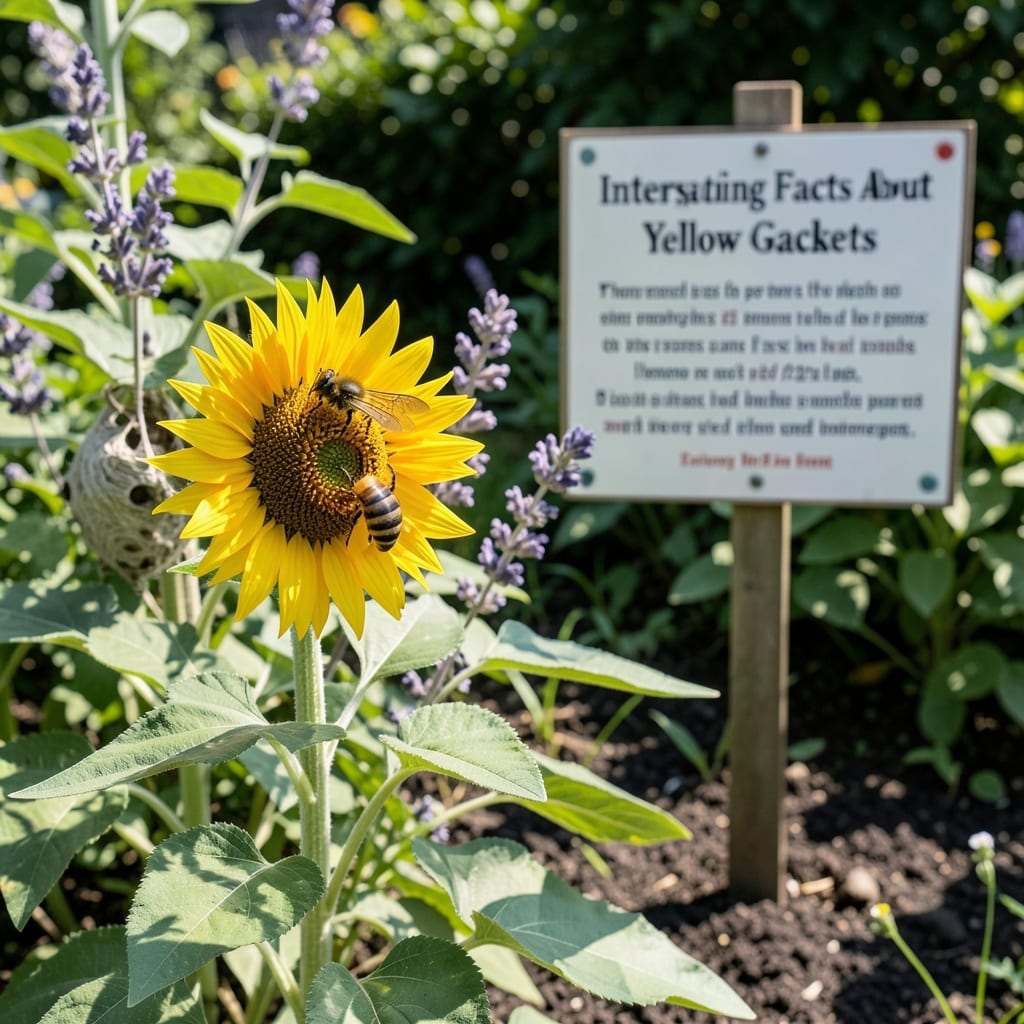
Yellow jackets are highly social wasps with distinctive black and yellow stripes, known for their aggressive defense of nests and ability to sting repeatedly. They play a key role in pest control by preying on caterpillars and flies.
These insects thrive in colonies that can house thousands, with workers taking on specific roles like foraging or guarding. 🔥 I’ve noticed they’re particularly active in late summer when food becomes scarce, which is when they tend to get more aggressive around humans. Unlike bees, they can sting multiple times, making encounters potentially dangerous if you disturb their nest.
💡 In This Article
Their aggression stems from a powerful combination of biology and survival instinct. As social insects, they live in colonies with a strict hierarchy, and every worker is hardwired to protect the nest at all costs. When threatened, they release pheromones that signal other wasps to attack, creating a coordinated defense.
This behavior peaks in late summer and early fall when food sources like nectar and insects become scarce. Starvation triggers heightened aggression, and they become more likely to scavenge from human food, leading to increased encounters. Their smooth stingers allow them to sting repeatedly without dying, unlike honeybees.
Yellow jackets also have a territorial nature. A single colony can contain 1,000-4,000 workers by late summer, and they aggressively defend an area up to 1,000 feet from their nest. This means even approaching too closely can trigger an attack. 🔥
Temperature plays a role too. On warmer days above 70°F, they’re more active and more likely to perceive threats. Cold weather slows them down, which is why they’re less aggressive in spring and early summer when colonies are smaller.
Unlike solitary wasps, yellow jackets coordinate attacks through chemical communication. One sting releases alarm pheromones that can attract dozens of others within seconds, making disturbances near their nest particularly dangerous. This is why experts recommend freezing in place if you encounter them, as swatting can provoke more stings.
They release alarm pheromones when threatened, signaling others to swarm. A single sting can trigger dozens to attack within seconds.
Yes, their smooth stingers allow repeated stings without dying. Unlike honeybees, they don’t lose their stinger after attacking.
They primarily hunt caterpillars, flies, and other pests. This makes them beneficial for natural pest control in gardens.
Most colonies die off in winter, but fertilized queens hibernate to start new nests in spring. A single colony can house 1,000-4,000 workers by late summer.
They’re most aggressive in late summer when food is scarce. Warmer days above 70°F also increase their activity levels.