
Beautiful Plants For Your Interior
Beautiful Plants For Your Interior
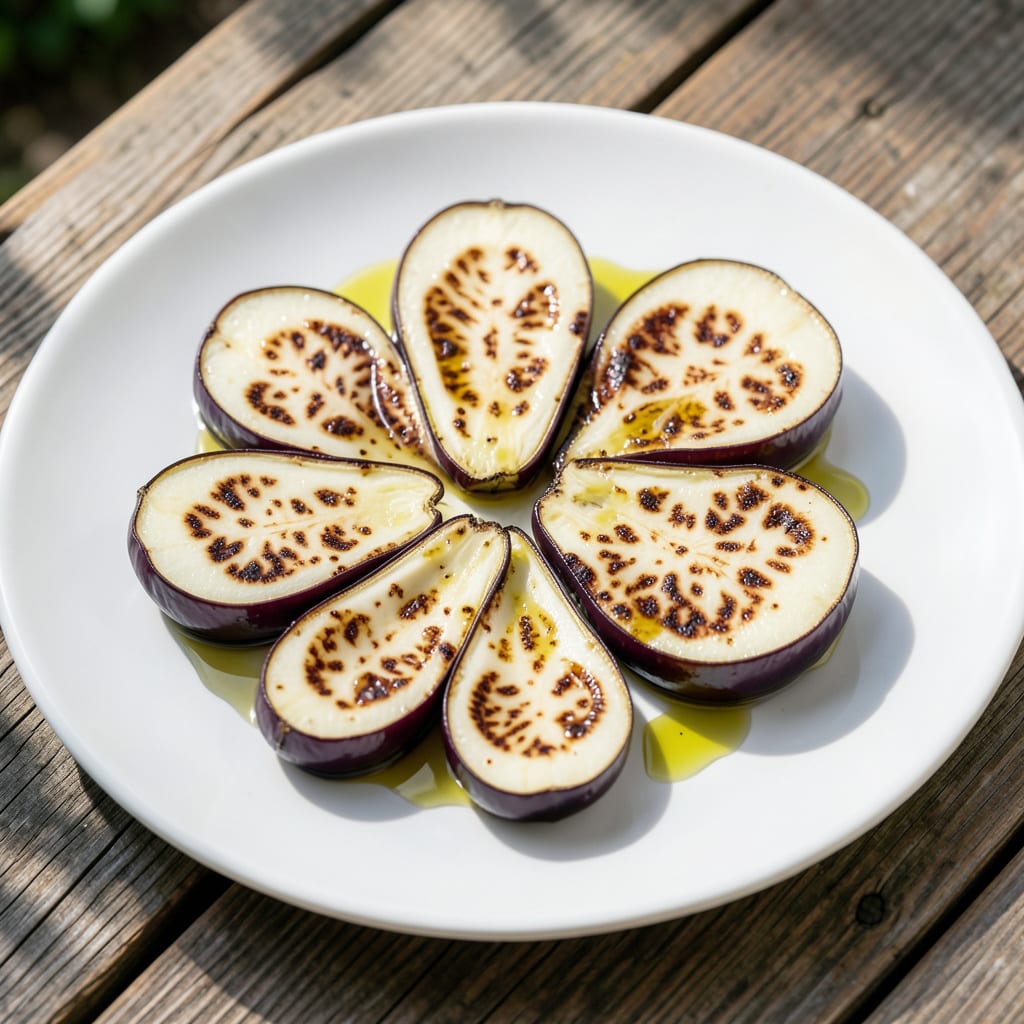
Cutting open an eggplant to find brown spots inside is discouraging. I’ve been there—watching what looked like healthy fruit turn into a mystery problem overnight.
These spots often signal issues like blossom end rot, fungal infections, or inconsistent watering. The good news is they’re usually fixable with a few adjustments to your growing routine.
You’ll learn to spot the early signs before they spread, plus natural fixes that work without harsh chemicals. Most solutions take less than a week to show improvement.
Works for garden beds, containers, or greenhouse setups. Let’s get your eggplants back on track.
Brown spots inside your eggplant can be alarming, but they’re usually a sign of specific environmental or biological issues. Here’s why they happen:
Fungi like Phomopsis or Alternaria thrive in warm, humid conditions. These pathogens enter the fruit through wounds or weak spots, causing internal browning. Overwatering or poor drainage exacerbates the problem by creating a damp environment ideal for fungal growth.
Eggplants are sensitive to temperature swings. If exposed to temperatures below 50°F (10°C) or above 90°F (32°C), the plant may develop internal discoloration. Heat stress disrupts cell function, leading to brown spots, while cold shock slows growth and triggers decay.
A lack of calcium in the soil can cause blossom end rot-like symptoms, including brown, sunken spots inside the fruit. Calcium is vital for cell wall stability, and its absence weakens tissue, making it prone to breakdown. This is common in sandy or acidic soils with poor nutrient retention.
Insects like aphids or fruit borers pierce the eggplant’s skin, introducing bacteria or fungi that lead to internal browning. Even minor pest activity can create entry points for secondary infections, so early pest control is key to prevention.
If you’ve spotted brown spots inside your eggplant, don’t toss it just yet! Here’s how to address the most common causes—and keep your future harvests spot-free.
Mix 1 tablespoon of crushed eggshells or calcium carbonate into the soil around the plant’s base. Water deeply to help roots absorb it. For a quick fix, spray leaves with a calcium-rich foliar spray (like diluted calcium chloride). Prevention tip 💡: Test soil pH—eggplants prefer 6.0–6.8. Add lime if it’s too acidic.
Remove affected fruits and leaves immediately to stop the spread. Apply a copper-based fungicide or a DIY mix of 1 tsp baking soda + 1 quart water + a drop of dish soap. Spray weekly. Prevention tip 🌡️: Water at the base (not leaves) and space plants 18–24 inches apart for better airflow.
Check for aphids or flea beetles—blast them off with water or spray with neem oil (1 tbsp oil + 1 tsp soap + 1 quart water). For slugs, set up beer traps or diatomaceous earth barriers. Prevention tip ✨: Rotate crops yearly and use companion plants like marigolds to deter pests.
Eggplants need 1–2 inches of water weekly. Use drip irrigation or a soaker hose to keep moisture consistent. Mulch with straw to retain soil dampness. Prevention tip 🎯: Water early in the morning to reduce evaporation and fungal risks.
If the spots are small and limited, the rest is usually fine to eat. However, if the discoloration is widespread or accompanied by a foul odor, it’s best to discard it.
Yes! Consistent moisture is key. Aim for 1–2 inches of water weekly, preferably in the morning. Avoid wetting the leaves to reduce fungal risks.
Look for soft, sunken spots with a moldy smell. Fungal problems often spread quickly, so remove affected fruits and improve airflow immediately.
Crushed eggshells or a calcium-rich foliar spray can provide a quick boost. For long-term prevention, test soil pH and adjust as needed.
