
Beautiful Plants For Your Interior
Beautiful Plants For Your Interior
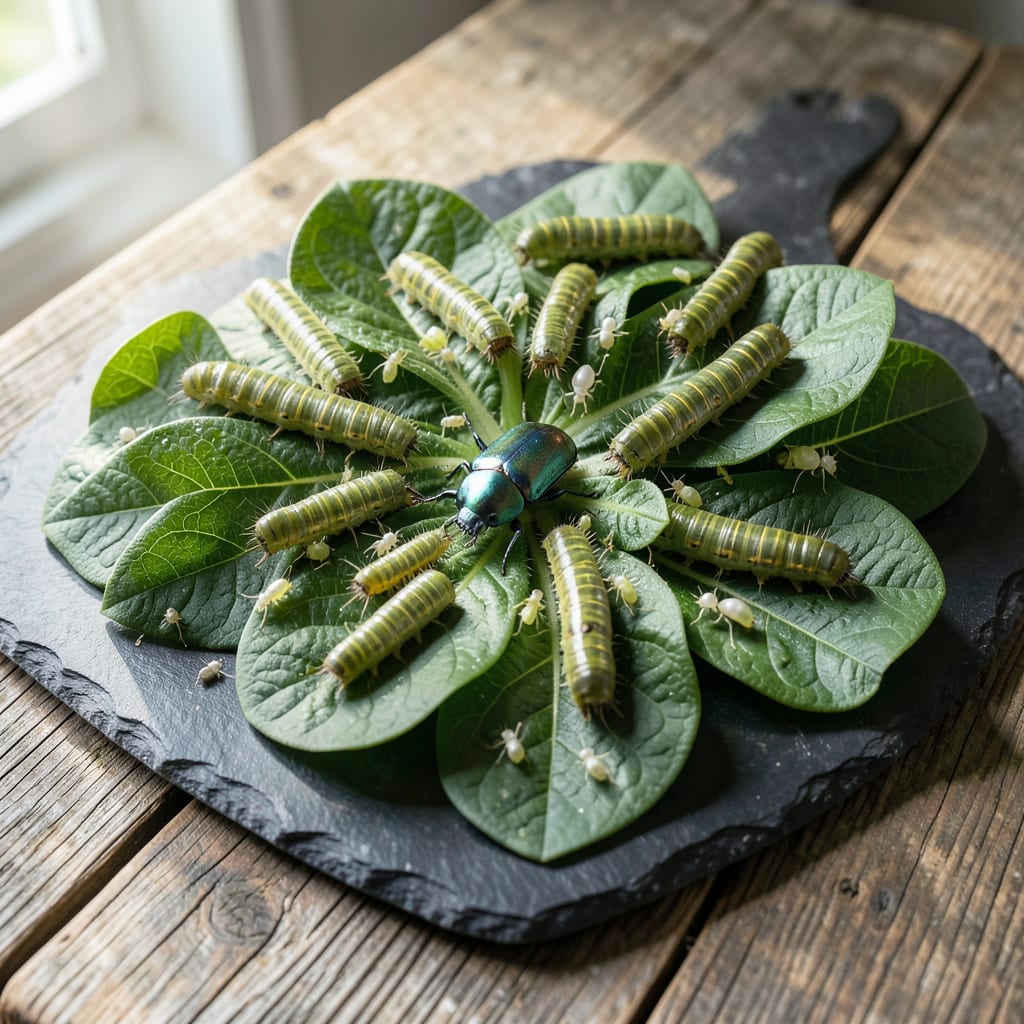
Potato leaves disappearing overnight? I’ve been there—one morning they’re lush, the next they’re lace. 🌿
Colorado potato beetles, flea beetles, and aphids are the usual suspects, and they multiply fast. Left unchecked, they’ll skeletonize plants in days, stunting growth and slashing yields.
Organic defenses like handpicking, neem oil, and beneficial insects work, but timing is everything. Catch them early, and you can save your crop without harsh chemicals.
Here’s how to spot the culprits, stop the damage, and keep your potatoes thriving—naturally.
Potato leaves are a prime target for insects due to several biological and environmental factors. Understanding these causes can help you address the issue effectively.
Potato leaves are packed with nutrients like nitrogen, phosphorus, and potassium, which are essential for plant growth. Insects, especially aphids, beetles, and caterpillars, are naturally drawn to these nutrient-dense leaves as a food source. The high water content in the foliage also makes it an attractive target for pests seeking hydration.
Stressed or weakened potato plants are more susceptible to insect attacks. Factors like poor soil quality, inadequate watering, or disease can compromise a plant’s natural defenses, making it easier for pests to infest. Healthy plants produce more defensive compounds, such as alkaloids, which deter insects.
Warm, dry weather accelerates insect reproduction and activity. Many pests, like the Colorado potato beetle, thrive in these conditions, leading to rapid defoliation. Additionally, overcrowded plantings or lack of crop rotation can create ideal breeding grounds for pests, increasing the likelihood of an infestation.
In ecosystems where natural predators (e.g., ladybugs, parasitic wasps, or ground beetles) are absent or reduced, insect populations can spiral out of control. Monoculture farming or excessive pesticide use can disrupt these predator-prey balances, leaving potato plants vulnerable to unchecked pest damage.
When pests target your potato plants, quick and targeted action can save your crop. Below are practical solutions for common culprits, along with prevention tips to keep your garden thriving.
Inspect leaves daily, especially the undersides, and remove adult beetles, larvae, and egg clusters by hand. Drop them into soapy water to ensure they don’t return. For larger infestations, spray neem oil in the early morning or late evening to avoid harming beneficial insects. Prevention tip: 💡 Rotate crops yearly and use row covers to block beetles from laying eggs.
A strong stream of water from a hose can knock aphids off leaves, reducing their numbers instantly. For a longer-term fix, introduce ladybugs or lacewings, which are natural predators. Prevention tip: 🌱 Plant companion flowers like marigolds or nasturtiums to deter aphids and attract helpful insects.
Sprinkle food-grade diatomaceous earth around the base of plants to create a barrier that dehydrates beetles. Alternatively, plant radishes or mustard greens nearby as trap crops to lure flea beetles away from your potatoes. Prevention tip: ✨ Mulch heavily to retain soil moisture, as flea beetles thrive in dry conditions.
Bury shallow dishes filled with beer near your plants—slugs and snails are attracted to it and will drown. For a chemical-free barrier, wrap copper tape around pots or garden beds; the metal reacts with their slime, deterring them. Prevention tip: 🌿 Remove garden debris and hiding spots, like boards or rocks, where these pests like to congregate.
Act fast, stay consistent, and your potato plants will bounce back stronger than ever!
Look for visual clues: Colorado potato beetles have yellow-orange bodies with black stripes, while flea beetles are tiny and jump when disturbed. Aphids appear as small green or black clusters on leaf undersides.
For small infestations, yes! Check plants daily and drop beetles into soapy water. For larger outbreaks, combine handpicking with neem oil or diatomaceous earth for best results.
Yes, but use targeted pesticides labeled for potatoes and follow instructions carefully. Avoid broad-spectrum chemicals that harm beneficial insects. Always try organic methods first.
