
Beautiful Plants For Your Interior
Beautiful Plants For Your Interior
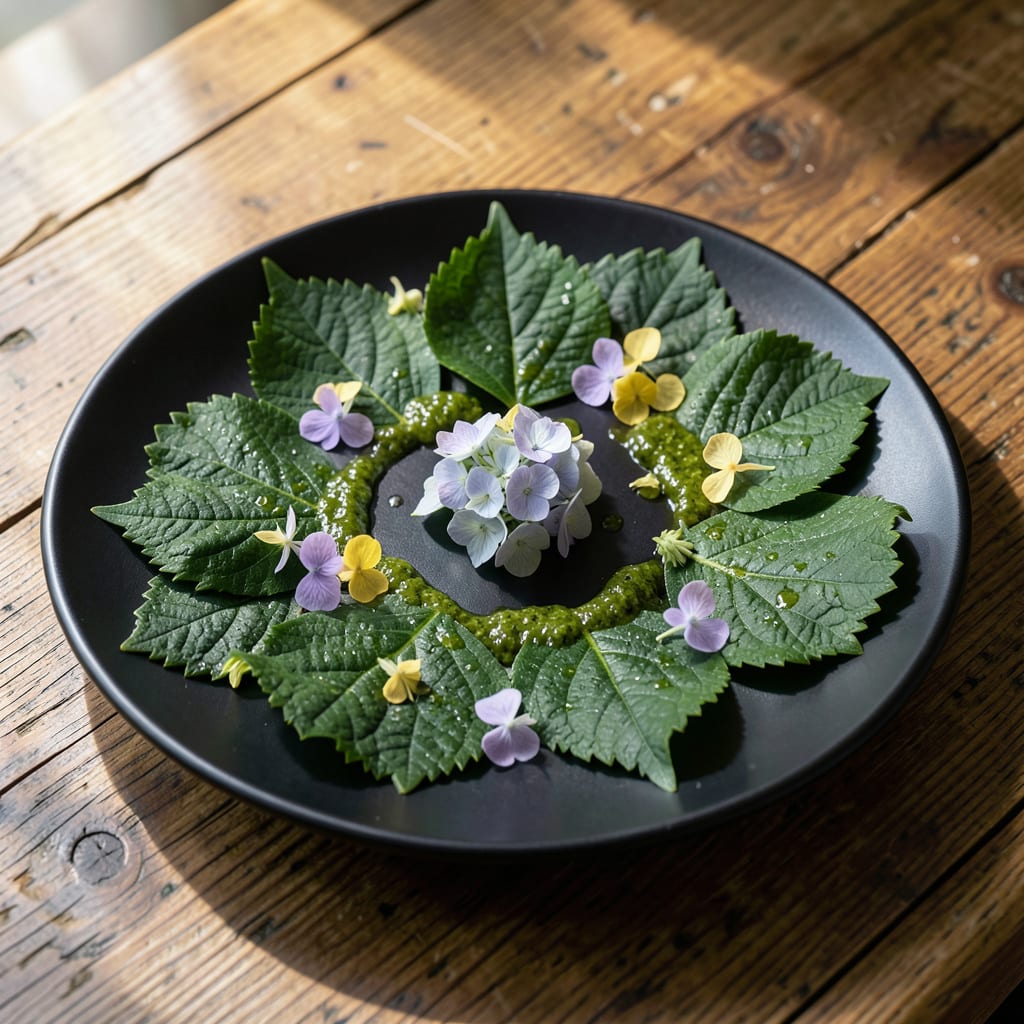
Watching your hydrangea leaves disappear overnight is frustrating. I’ve been there—waking up to Swiss cheese foliage and no culprit in sight.
Most damage comes from deer, slugs, or Japanese beetles, each leaving distinct bite patterns. The solution starts with identifying the pest before reaching for sprays or fences.
You’ll restore those lush green leaves within a week using targeted controls. Natural options work just as well as chemicals for most infestations.
Prevention is simpler than you think: barriers, companion plants, and vigilant monitoring keep pests from returning next season.
Hydrangea leaves are a tasty snack for several pests, and understanding why they’re being eaten starts with identifying the culprits. Here’s a breakdown of the most common causes:
Many insects find hydrangea leaves irresistible. Japanese beetles are notorious for skeletonizing leaves, while aphids and slugs leave ragged edges or holes. Lace bugs pierce leaf cells, causing stippling and discoloration. These pests thrive in warm, humid conditions, making hydrangeas an easy target.
Larger animals like deer and rabbits often munch on hydrangea foliage, especially in early spring when tender new growth emerges. Unlike pests, they leave clean, torn edges rather than small holes. Young plants are particularly vulnerable, as deer can strip leaves overnight.
While less common, nutrient deficiencies (e.g., nitrogen or magnesium) can weaken hydrangeas, making them more susceptible to pests. Yellowing leaves (chlorosis) or stunted growth may signal an underlying issue. A soil test can confirm imbalances, allowing for targeted fertilizer application.
Though not direct “eaters,” fungal diseases like powdery mildew or leaf spot can stress plants, attracting secondary pests. Overhead watering and poor air circulation exacerbate these issues. Remove infected leaves promptly to prevent spread.
If your hydrangea leaves are under attack, act fast to save your plant and prevent further harm. Below are targeted solutions for the most common culprits, along with prevention tips to keep your garden thriving.
Erect a 4- to 5-foot-tall fence around your hydrangeas to deter deer. For rabbits, use chicken wire or mesh fencing at least 2 feet high, buried 6 inches deep to block burrowing. Prevention tip: 💡 Plant deer-resistant species like lavender or boxwood nearby to mask the scent of your hydrangeas.
For slugs and snails, set out beer traps or sprinkle diatomaceous earth around the base of the plant. Handpick Japanese beetles in the early morning and drop them into soapy water. For severe infestations, apply neem oil or an insecticidal soap in the evening. Prevention tip: 🌡️ Keep the garden free of debris and overgrown areas where pests hide.
Blast aphids off leaves with a strong stream of water, then apply insecticidal soap or horticultural oil. For spider mites, increase humidity by misting plants or use miticides if needed. Prevention tip: ✨ Encourage beneficial insects like ladybugs by planting companion flowers such as marigolds or zinnias.
Inspect leaves for caterpillars and pick them off manually. For larger infestations, apply Bacillus thuringiensis (Bt), a natural bacteria that targets caterpillars without harming other insects. Prevention tip: 🎯 Regularly check the undersides of leaves for eggs or early-stage larvae.
Look for bite patterns. Deer leave jagged edges, slugs create irregular holes, and Japanese beetles skeletonize leaves. Check at dawn or dusk when pests are most active.
A 5-foot-tall fence works best. For temporary protection, use commercial repellents with putrescent eggs or motion-activated sprinklers.
Yes! Try neem oil or insecticidal soap for beetles and aphids. Diatomaceous earth stops slugs. Always apply in the evening for best results.
