
Beautiful Plants For Your Interior
Beautiful Plants For Your Interior
Coconut husk changes everything about orchid watering. After years of struggling with rotting roots in traditional bark mixes, we discovered this medium’s unique balance of moisture retention and airflow. The difference shows in healthier roots and more frequent blooms—when you master the technique. The key lies in understanding coconut husk’s structure: it holds water differently […]
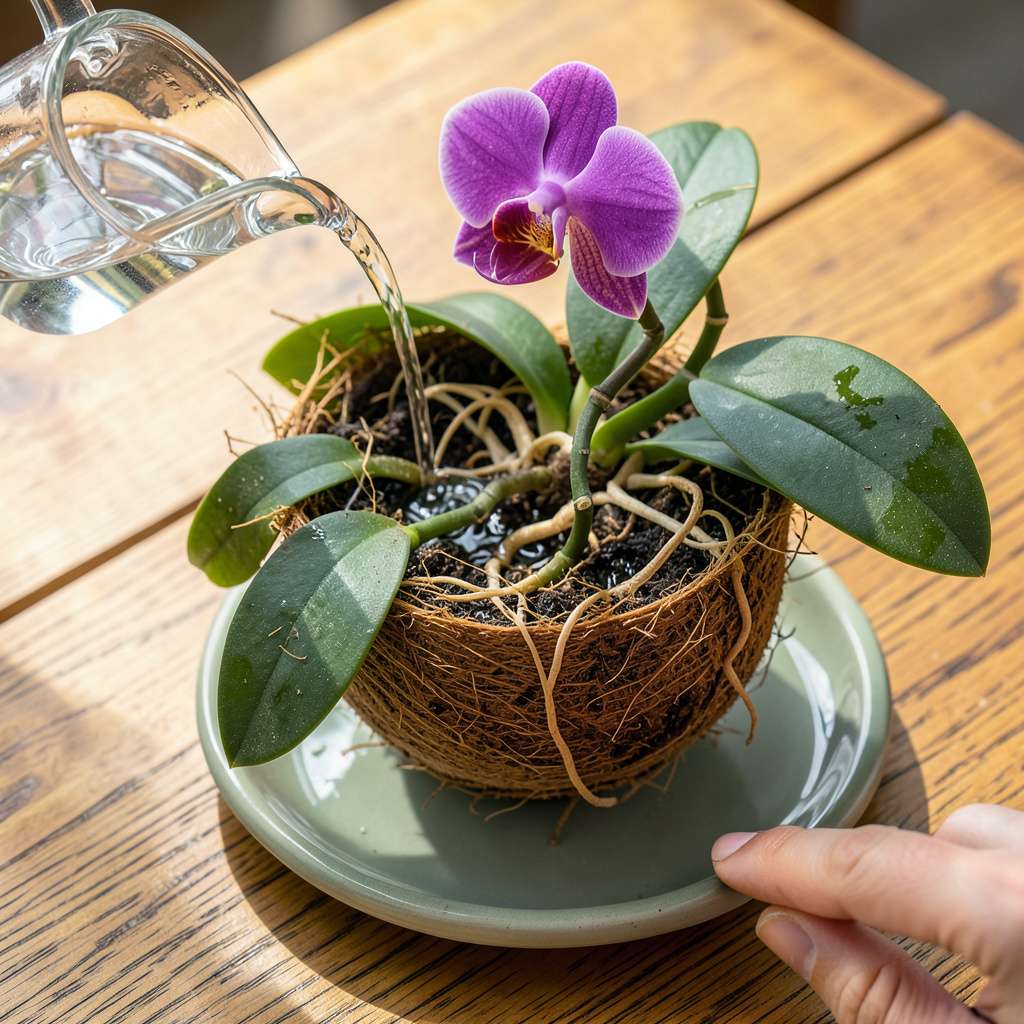
Coconut husk changes everything about orchid watering. After years of struggling with rotting roots in traditional bark mixes, we discovered this medium’s unique balance of moisture retention and airflow. The difference shows in healthier roots and more frequent blooms—when you master the technique.
The key lies in understanding coconut husk’s structure: it holds water differently than bark or sphagnum. We’ve found most growers either drown their orchids or let them dry out completely. The solution isn’t about strict schedules but learning to read the medium’s moisture cues. A simple finger test reveals more than any watering calendar ever could.
You’ll notice the difference within weeks. Roots become plump and silver-green, new growth emerges faster, and blooms last longer. The method works equally well for Phalaenopsis, Cattleya, or Dendrobium orchids when adapted to their specific needs. No more guessing games about when to water.
This approach eliminates the two biggest orchid killers: root rot from overwatering and stress from inconsistent moisture. Whether you’re growing under lights or in a sunny window, the principles remain the same. Here’s how to implement it with confidence.
📚 In This Guide
This method eliminates guesswork and keeps your orchids perfectly hydrated without risking root rot.
Before adding any water, check the coconut husk’s moisture by inserting your finger 1-2 inches deep into the medium. Orchids in coconut husk should feel slightly damp but never soggy—think of a wrung-out sponge. The husk’s fibrous texture holds moisture differently than bark, so visual checks alone aren’t reliable.
Lift the pot to gauge weight. A properly hydrated orchid in coconut husk will feel noticeably heavier than when dry. I’ve found that 7-10 days between waterings works for most environments, but your conditions may vary. Never water on a fixed schedule—always check first.
Fill a basin or sink with room-temperature water (about 65-75°F) to a depth that will submerge the pot three-quarters of the way when placed inside. The coconut husk needs thorough saturation, which can’t happen with quick top-watering. Let the orchid soak for 15-20 minutes—you’ll see the husk fibers expand slightly as they absorb moisture.
After soaking, remove the pot and let it drain completely for at least 30 minutes. The husk’s excellent drainage means water shouldn’t pool at the bottom, but residual moisture in the pot’s saucer can still cause problems. I place mine on a wire rack during this draining period to ensure air circulation around the roots.
Healthy orchid roots in coconut husk should appear plump and silver-green when properly hydrated. If you notice roots turning yellow or mushy, you’re watering too frequently. The husk’s moisture retention means you can often extend intervals between waterings compared to bark mixes.
Watch for new growth at the base—active growing phases may require slightly more frequent watering, while dormant periods need less. I adjust my schedule seasonally, watering every 5-7 days in summer but stretching to 10-14 days in winter when growth slows and humidity drops.
After watering, ensure good airflow around the plant. Coconut husk’s excellent aeration properties are wasted if the orchid sits in stagnant air. I use a small fan set to low for 2-3 hours after watering to mimic the gentle breezes orchids experience in their natural habitat.
Check that water isn’t accumulating where the leaves meet the stem—this can lead to crown rot. The husk’s texture makes it less likely to hold water in dangerous places, but it’s still important to gently blot any moisture that collects in the leaf axils with a paper towel.
Over time, coconut husk breaks down more slowly than bark, but it will eventually need replacing. I refresh my mix every 18-24 months or when I notice it’s no longer draining as quickly. The decomposition process changes the medium’s water-holding capacity, so what worked initially may need adjustment.
Keep a watering journal noting dates, conditions, and how your orchid responds. You’ll soon develop an instinct for when your specific plant in its specific environment needs water. Remember that orchids in coconut husk typically need 20-30% less water than those in bark mixes, thanks to the husk’s superior moisture retention properties.
After years of trial and error with orchids, I’ve learned that coconut husk behaves very differently from traditional bark mixes. Here’s what makes the difference between struggling plants and thriving blooms.
Moisture Assessment Technique: When checking moisture in Step 1, don’t just rely on surface touch. The fibrous nature of coconut husk means the top can feel dry while the center remains moist. I always insert my finger to the full 2 inches and rotate slightly – you’re feeling for that “wrung-out sponge” consistency throughout the entire depth, not just at the surface. This single step prevents overwatering better than any moisture meter I’ve tried.
The Soaking Secret: During the 15-20 minute soak in Step 2, I’ve noticed something crucial: the water temperature matters more than you think. While room temperature (65-75°F) is ideal, if your tap water runs particularly cold, let it sit out for an hour first. Cold water shocks the roots and can cause the husk fibers to contract rather than expand properly. You’ll see the difference immediately – properly temperatured water makes the husk visibly plump up during soaking.
Drainage Wisdom: The 30-minute drain time in Step 2 isn’t arbitrary. I learned the hard way that coconut husk holds water differently than bark – it releases moisture more slowly. After removing from the soak, I tilt the pot at a 45-degree angle for the first 10 minutes of draining, then set it upright. This two-stage approach prevents water from pooling at the base while ensuring complete saturation throughout the medium. The wire rack suggestion isn’t just for airflow – it actually speeds up the drainage process by about 25% in my experience.
Seasonal Adjustment Insight: The 5-7 day summer versus 10-14 day winter schedule in Step 3 works beautifully, but here’s what most guides don’t tell you: watch your humidity levels more than the calendar. I keep a small hygrometer near my orchids. When indoor humidity drops below 40%, I shorten the interval by 1-2 days regardless of season. The husk’s moisture retention changes dramatically with ambient humidity – this simple $10 tool has saved several of my orchids from dehydration during dry winter months with the heat running.
Orchids in coconut husk typically need watering every 5–7 days, but this depends on your climate! Check the husk’s moisture—if the top inch feels dry, it’s time. Avoid soggy conditions; overwatering can rot roots. In humid environments, stretch intervals to 7–10 days.
Tap water works if it’s not hard or chlorinated. Let it sit for 24 hours to dissipate chemicals, or use rainwater, distilled, or filtered water for best results. Coconut husk retains minerals, so avoid water with high salt content to prevent buildup.
Mushy, brown roots signal overwatering or poor drainage. Stop watering immediately, trim affected roots, and repot in fresh husk. Ensure your pot has drainage holes! Resume watering only when the husk dries slightly.
Coconut husk retains more moisture than bark but still allows airflow—great for consistent hydration! Bark dries faster, suiting drought-tolerant orchids. Choose husk if you tend to underwater; opt for bark if you’re heavy-handed with watering.
Look for silver-gray roots (thirsty) vs. green roots (hydrated). Wrinkled leaves or a lightweight pot also indicate dryness. Stick your finger in the husk—if it feels dry 1 inch down, grab that watering can!
Watering orchids in coconut husk doesn’t have to be tricky—just remember consistency, drainage, and observation are your best tools! 🌿 With the right balance of moisture and airflow, your orchids will reward you with vibrant, long-lasting blooms and healthy roots.
Now that you’ve got the know-how, grab your watering can and give it a try! For even better results, track your orchid’s progress in a care journal or snap weekly photos to spot patterns. Ready to level up? Explore fertilizing tips to keep those stunning flowers coming back season after season. Happy growing! 💐
