
Beautiful Plants For Your Interior
Beautiful Plants For Your Interior
Three ice cubes changed how I care for orchids. After years of struggling with soggy roots and limp leaves, this method delivered the perfect balance of hydration without the guesswork. Orchids thrive on consistency, and ice cubes melt at just the right pace to prevent overwatering—the number one killer of these elegant plants. What makes […]
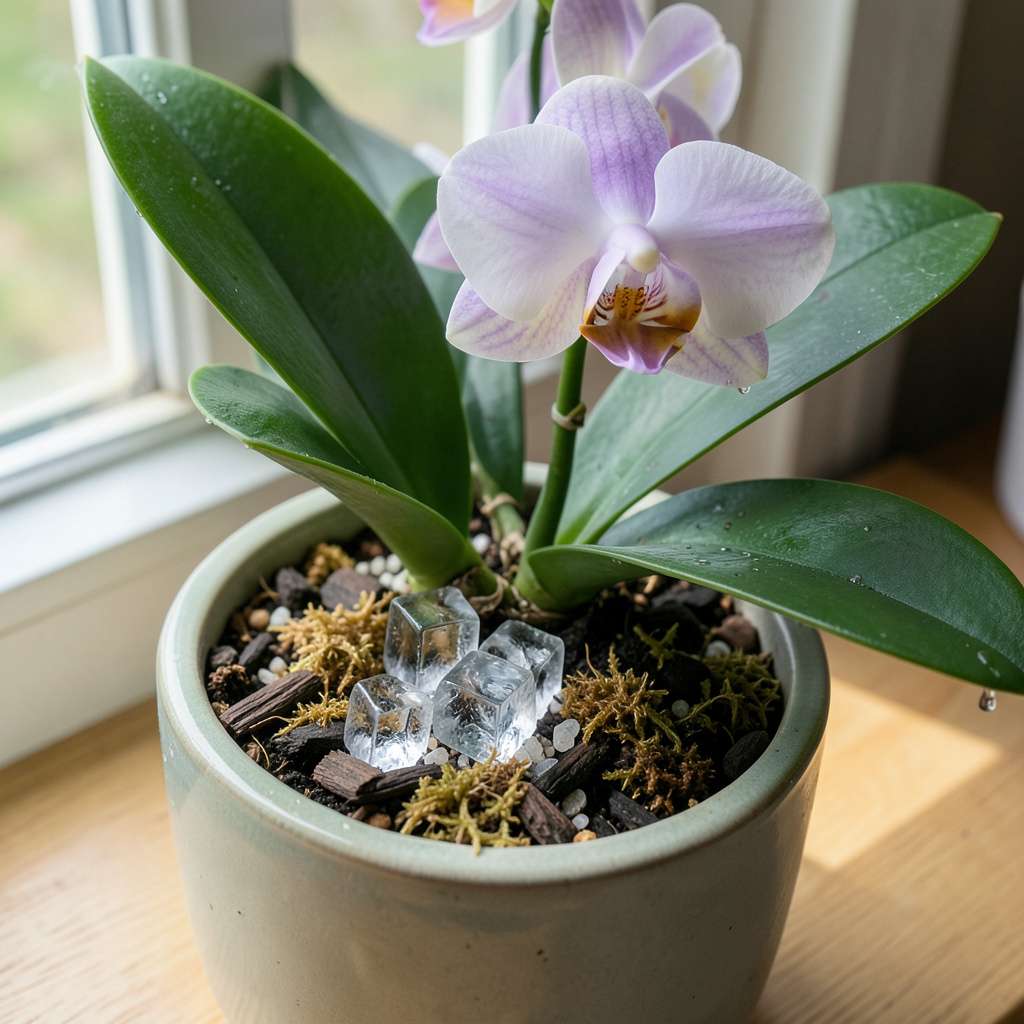
Three ice cubes changed how I care for orchids. After years of struggling with soggy roots and limp leaves, this method delivered the perfect balance of hydration without the guesswork. Orchids thrive on consistency, and ice cubes melt at just the right pace to prevent overwatering—the number one killer of these elegant plants.
What makes this approach different? It mimics the slow, measured watering orchids receive in their natural epiphytic habitats. The ice melts gradually over 1-2 hours, allowing roots to absorb moisture without sitting in stagnant water. My collection now shows stronger growth, more vibrant blooms, and fewer yellowed leaves since switching to this system.
You’ll need just two things: standard ice cubes and your orchid’s existing pot. The technique works equally well for Phalaenopsis, Cattleya, and other common varieties. Within weeks, you’ll notice firmer leaves, healthier roots, and a plant that actually looks forward to watering day instead of dreading it.
Best of all, this method eliminates the most common orchid care mistakes. No more waterlogged medium, no more root rot, and no more wasted time with complicated watering schedules. The plants tell you exactly what they need—you just provide the ice cubes and watch them thrive.
📚 In This Guide
This method eliminates guesswork and delivers consistent moisture—exactly what your orchids crave for thriving growth.
Start by examining your orchid’s potting medium. It should be dry to the touch at the surface—this indicates it’s ready for watering. I use 3 standard-sized ice cubes per 6-inch pot, which provides the perfect volume of water without oversaturation. The slow melt rate mimics natural hydration in their epiphytic habitat.
Place the ice cubes directly on top of the growing medium, distributing them evenly across the surface. Avoid letting them touch the leaves or crown, as prolonged moisture contact can lead to rot. You’ll notice the cubes begin melting immediately, but the gradual release is what makes this method so effective for orchid care.
Let the ice cubes melt completely before moving the plant. This typically takes 1-2 hours depending on room temperature. As they melt, the water will slowly percolate through the bark or moss medium, reaching the roots where it’s needed most. You’ll see the medium darken slightly as it absorbs moisture—this visual cue confirms proper hydration.
The beauty of this method lies in its precision: the ice cubes deliver exactly ¼ cup of water when melted, which is the ideal amount for most phalaenopsis orchids. Unlike traditional watering, you won’t have excess water pooling in the saucer, which is crucial for preventing root rot in these sensitive plants.
Check your orchid’s response after 24 hours. Healthy roots should appear plump and green when properly hydrated. If you notice the medium drying out faster than usual (common in low humidity environments), you may need to increase to 4 ice cubes for your next watering session. Conversely, if the medium stays damp beyond 48 hours, reduce to 2 ice cubes.
Seasonal changes affect watering needs too. During active growth periods (typically spring through fall), I maintain the 3 ice cube regimen weekly. In winter or dormancy, I extend the interval to every 10-14 days, always checking the medium’s moisture level first. This adaptive approach ensures perfect hydration year-round without the risk of overwatering.
Consistency is key with orchids. I’ve found that watering with ice cubes on the same day each week creates an ideal moisture cycle. Mark your calendar for every 7 days as a starting point, but always verify the medium’s dryness before proceeding. The regularity helps prevent the stress that comes from irregular watering patterns, which can inhibit blooming.
After 3-4 watering cycles, you’ll develop an intuitive sense for your orchid’s specific needs. Watch for new leaf growth and flower spike development—these are clear indicators that your watering routine is perfectly balanced. The ice cube method’s precision makes it particularly effective for achieving that delicate moisture equilibrium that orchids require for optimal health and spectacular blooms.
Mastering this method transformed my orchid care—here’s what makes the difference between surviving and thriving plants.
Precision Matters: The 3 ice cubes per 6-inch pot measurement in Step 1 isn’t arbitrary—it delivers exactly ¼ cup of water, which is the goldilocks amount for phalaenopsis orchids. I’ve found that standard ice cube trays produce cubes that melt to about 1 tablespoon each, making this method remarkably consistent. When adjusting quantities as mentioned in Step 3, always maintain this 1:1 ratio—4 cubes for larger pots or drier conditions, 2 cubes for smaller pots or humid environments.
Environmental Awareness: The 1-2 hour melting time in Step 2 varies more than you might expect. In my experience, summer months with 80°F+ temperatures can cut this to 45 minutes, while winter’s 65°F might extend it to 2.5 hours. Watch for the medium darkening rather than the clock—this visual confirmation from Step 2 is your most reliable indicator of proper absorption.
Root Health Monitoring: That 24-hour check in Step 3 is your secret weapon. Healthy roots should feel firm yet pliable—like cooked spaghetti—when gently squeezed. If they’re mushy, you’ve overwatered; if wrinkled, underwatered. I keep a gardening journal to track root condition after each watering, which helps me spot patterns before problems develop. This proactive approach has saved several of my orchids from root rot.
Seasonal Adaptation: The 10-14 day winter interval mentioned in Step 3 isn’t just about water conservation—it mimics the natural dry periods many orchids experience in their native habitats. During dormancy, I’ve noticed my plants actually prefer this slightly drier condition, which encourages stronger blooming cycles. Conversely, spring’s active growth demands that consistent weekly schedule to support new leaf and spike development.
Most standard-sized orchids (4–6″ pots) thrive with 3 ice cubes per week. For mini orchids, use 1–2 cubes; for larger plants (8″+ pots), try 4–5. Place them on the growing medium (never directly on leaves or roots) and let them melt slowly. Overwatering is rare with this method, but adjust if your home is very humid or dry.
Ice cubes work best for Phalaenopsis (moth orchids) and Paphiopedilum (lady slipper orchids), which prefer consistent moisture. Avoid this method for Dendrobium, Cattleya, or Oncidium—they need faster-draining conditions. When in doubt, check your orchid’s specific care guide or stick to traditional watering for epiphytic types.
Soggy roots signal overwatering or poor drainage. If this happens, skip ice cubes for 1–2 weeks and let the medium dry out. Repot with fresh bark mix if roots stay mushy. Pro tip: Lift the pot after melting—if it feels heavy, hold off on watering. Ice cubes should never pool in the saucer!
Tap water ice is fine unless your water is very hard or chlorinated. If you notice white mineral buildup on leaves or pots, switch to filtered, distilled, or rainwater ice cubes. Let tap water sit out for 24 hours before freezing to reduce chlorine. Orchids are sensitive to salt buildup, so flush the pot with plain water every 4–6 weeks.
Yes, but reduce frequency in winter when orchids grow slower. Try 2 ice cubes every 10–14 days instead of weekly. Keep orchids away from cold drafts while the ice melts—sudden temperature drops can stress them. If your home is very dry from heating, pair ice cubes with a humidity tray for best results.
Watering orchids with ice cubes is a simple, mess-free way to keep your plants happy without overdoing it. 🌱 By following this method, you’ll avoid root rot, maintain consistent moisture, and enjoy thriving blooms with minimal effort.
Now that you’ve got the know-how, grab those ice cubes and give it a try! For even better results, pair this technique with proper lighting and fertilization. Ready to level up your orchid care? Check out our full orchid care guide next!
