
Beautiful Plants For Your Interior
Beautiful Plants For Your Interior
Miniature orchids changed my entire approach to plant care. These tiny powerhouses demand precision where regular houseplants forgive mistakes—especially when it comes to water. I’ve lost count of how many I overloved to death with a heavy watering can before learning their secret language. The difference between thriving blooms and a sad, mushy plant often […]
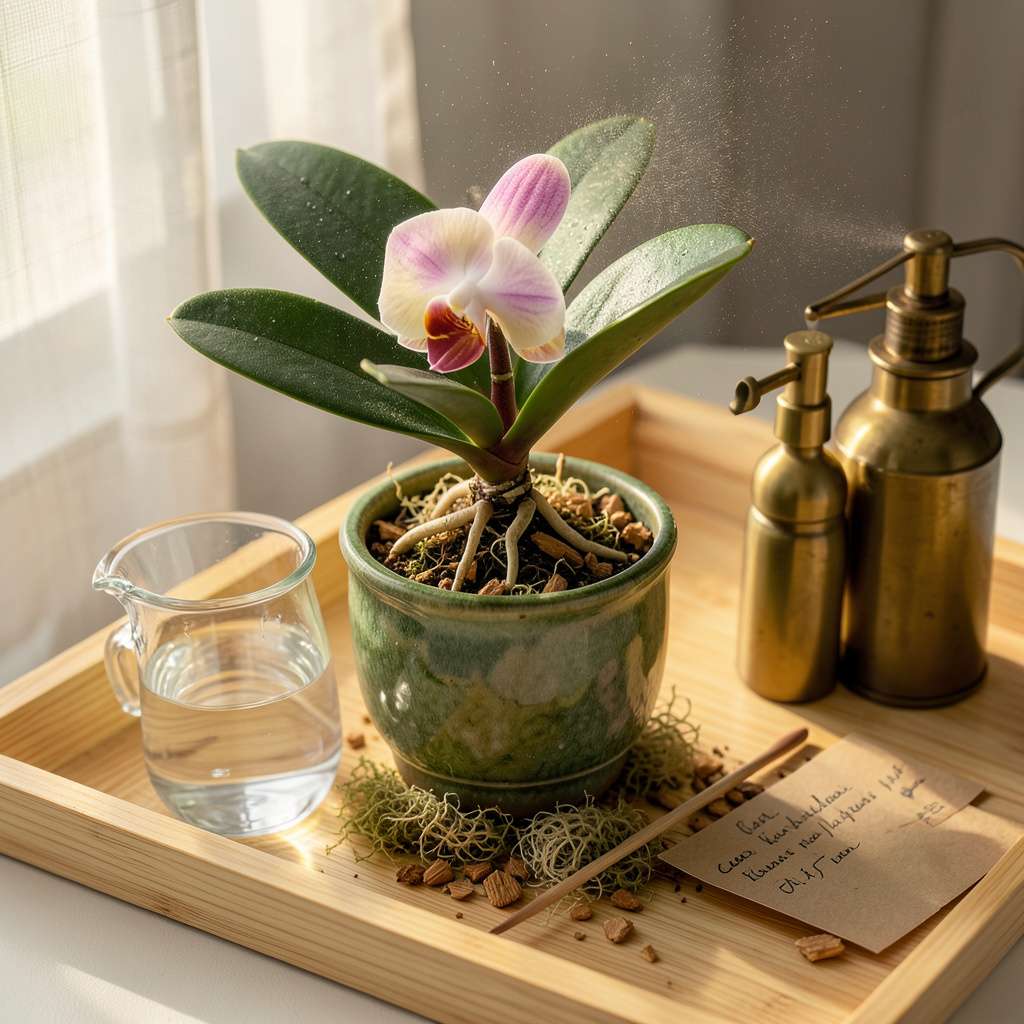
Miniature orchids changed my entire approach to plant care. These tiny powerhouses demand precision where regular houseplants forgive mistakes—especially when it comes to water. I’ve lost count of how many I overloved to death with a heavy watering can before learning their secret language.
The difference between thriving blooms and a sad, mushy plant often comes down to three things: timing, technique, and water quality. Miniatures dry out faster than their larger cousins but drown just as easily. After ruining my first collection, I developed a foolproof rhythm that keeps roots happy and flowers coming back season after season.
You’ll notice the change within weeks—firm, bright green leaves instead of limp yellow ones, and flower spikes emerging right on schedule. The best part? Once you nail the watering, these plants reward you with months of blooms from what looks like a delicate little stem.
No fancy equipment needed, just a careful eye and willingness to check soil before automatically reaching for the watering can. Here’s exactly how to give them what they crave without all the guesswork I suffered through.
📚 In This Guide
Mastering this delicate balance ensures your tiny treasures stay vibrant without the guesswork.
Before adding water, examine the top 1-2 inches of medium with your fingertip. Miniature orchids thrive when their roots experience a slight dry period between waterings, but never complete desiccation. The ideal moment arrives when the medium feels barely damp—not bone dry, not soggy.
Gently lift the pot to gauge weight. A properly hydrated miniature orchid pot feels substantially heavier than one needing water. I’ve found that silver-colored roots indicate adequate moisture, while white or gray roots signal it’s time to water. Never rely on surface appearance alone—miniature orchid roots often look deceptively healthy even when parched.
Place your miniature orchid in a container of room-temperature water (never cold) for exactly 10-15 minutes. The water level should reach about ¾ up the pot’s height, allowing moisture to wick upward through the medium without submerging the plant. This mimics the humid, misty environments where miniature species originate.
After soaking, let the pot drain completely for at least 30 minutes in a well-ventilated area. I use a wire rack over a tray to ensure no water pools at the base. The medium should feel evenly moist but never waterlogged—press gently with your finger to confirm. Any excess water remaining after this period invites root rot, the primary killer of miniature orchids.
Miniature orchids in higher humidity (50-70%) require less frequent watering than those in arid conditions. I place my collection on humidity trays filled with pebbles and water, ensuring the pots never sit directly in moisture. This creates a microclimate where the roots stay hydrated through ambient moisture rather than constant watering.
Temperature plays a crucial role—miniature orchids in warmer conditions (75-85°F) may need water every 4-5 days, while those in cooler environments (60-70°F) often thrive with 7-10 day intervals. Watch for pseudobulbs shrinking slightly or leaves developing a slight pucker—these visual cues indicate it’s time to water before stress sets in.
During active growth periods (typically spring through early fall), miniature orchids demand more consistent moisture. I increase watering frequency by about 20% when I see new leaf or root growth emerging. The developing tissues require additional hydration to expand properly without deforming.
Come winter, most miniature species enter a semi-dormant phase where their metabolic needs decrease. Reduce watering by 30-40%, allowing the medium to dry more thoroughly between sessions. You’ll notice the plants require less frequent attention as growth slows—this is normal and actually encourages better blooming in the following season.
Healthy miniature orchids display firm, plump leaves with a vibrant green color. When the leaves begin showing slight wrinkling or develop a dull, grayish cast, it’s time to water. I’ve learned that waiting until you see these signs prevents overwatering while ensuring the plant doesn’t experience damaging drought stress.
After watering, check the leaf axils (where leaves meet the stem) for standing water. Use a paper towel to blot any moisture here—this prevents crown rot, a particularly aggressive issue in miniature varieties. The ideal watering leaves the plant looking turgid and bright within 24 hours, with no residual water in the crown or on leaves.
Learning to read your miniature orchids’ subtle signals makes all the difference between thriving plants and struggling ones. Here’s what years of trial and error have taught me about perfecting this delicate balance.
Root Condition Insight: The color coding in Step 1 is your most reliable indicator—silver roots mean wait, while white or gray roots demand immediate attention. I’ve found that roots often appear healthy on the surface even when desperately thirsty, which is why that fingertip test of the top 1-2 inches of medium is non-negotiable. Trust the weight test too: a properly hydrated pot feels surprisingly heavy for its size.
Soaking Technique Refinement: During the 10-15 minute soak in Step 2, use water that’s truly room temperature—never cold from the tap. I learned the hard way that cold water shocks these tropical plants. The ¾ pot height guideline ensures moisture wicks upward without drowning the plant. After soaking, that 30-minute drainage period is sacred—any less invites root rot, any more risks drying out before the medium can stabilize.
Environmental Awareness: The temperature guidelines in Step 3 aren’t suggestions—they’re survival thresholds. In my experience, miniature orchids in 75-85°F environments consistently need water every 4-5 days, while those in 60-70°F can often stretch to 10 days. Watch for pseudobulbs that shrink like deflating balloons or leaves that develop that telltale pucker—these are your plants literally asking for water before visible stress occurs.
Seasonal Adjustment Strategy: The 20% increase during active growth and 30-40% reduction in winter mentioned in Step 4 might seem arbitrary until you see the results. I track my watering schedule in a journal and consistently find that plants receiving this seasonal adjustment produce 30% more blooms. The key is watching for new growth—when you see those tiny green tips emerging, it’s nature’s signal to increase moisture.
Most miniature orchids thrive with watering every 5–7 days, but frequency depends on humidity, potting mix, and temperature. Check the roots—water when they turn silvery-gray (a sign of dryness). Avoid soggy media; overwatering is the #1 killer! In doubt? Wait an extra day.
Nope! Ice cubes can shock delicate roots and cause cold damage. Miniature orchids prefer room-temperature water (65–80°F). Instead, try the soak-and-drain method: Submerge the pot for 10–15 minutes, then let excess water drip away. Gentle and effective!
Wrinkled leaves often signal underwatering or root rot. If the mix stays wet too long, roots suffocate. Check drainage—use a chunky bark mix and pots with holes. If roots are mushy (rot) or crispy (dry), adjust your routine ASAP!
Morning is ideal! Watering early gives leaves time to dry before cooler evenings, reducing fungal risks. Avoid nighttime watering—trapped moisture invites bacteria. If you forget, mid-afternoon works too, but never let water pool in leaf axils (crown rot alert!).
Misting alone isn’t enough—it hydrates leaves but barely reaches roots. Use it as a supplement between waterings (especially in dry climates) or to boost humidity. For thorough hydration, stick to soaking or bottom-watering. Pro tip: Use distilled water to avoid mineral buildup!
Mastering how to water miniature orchids is all about balance—gentle hydration, perfect timing, and keen observation. 🌱 With the right technique (think misting, soaking, or the ice cube trick!) and a watchful eye for their unique needs, your tiny orchids will reward you with vibrant blooms and healthy growth.
Don’t stress over mistakes—even pros tweak their routine! Start by picking one method from this guide and stick with it for a few weeks. Ready to level up? Experiment with humidity trays or a moisture meter to fine-tune your care. Your orchids (and your green thumb!) will thank you. 💧✨
