
Beautiful Plants For Your Interior
Beautiful Plants For Your Interior
Hanging orchids transform any space with their elegant blooms, but watering them correctly is where most people struggle. After years of trial and error (and a few lost plants), we’ve perfected a method that keeps orchids thriving in their suspended environment. The key lies in understanding their unique needs—different from potted orchids—while avoiding the common […]
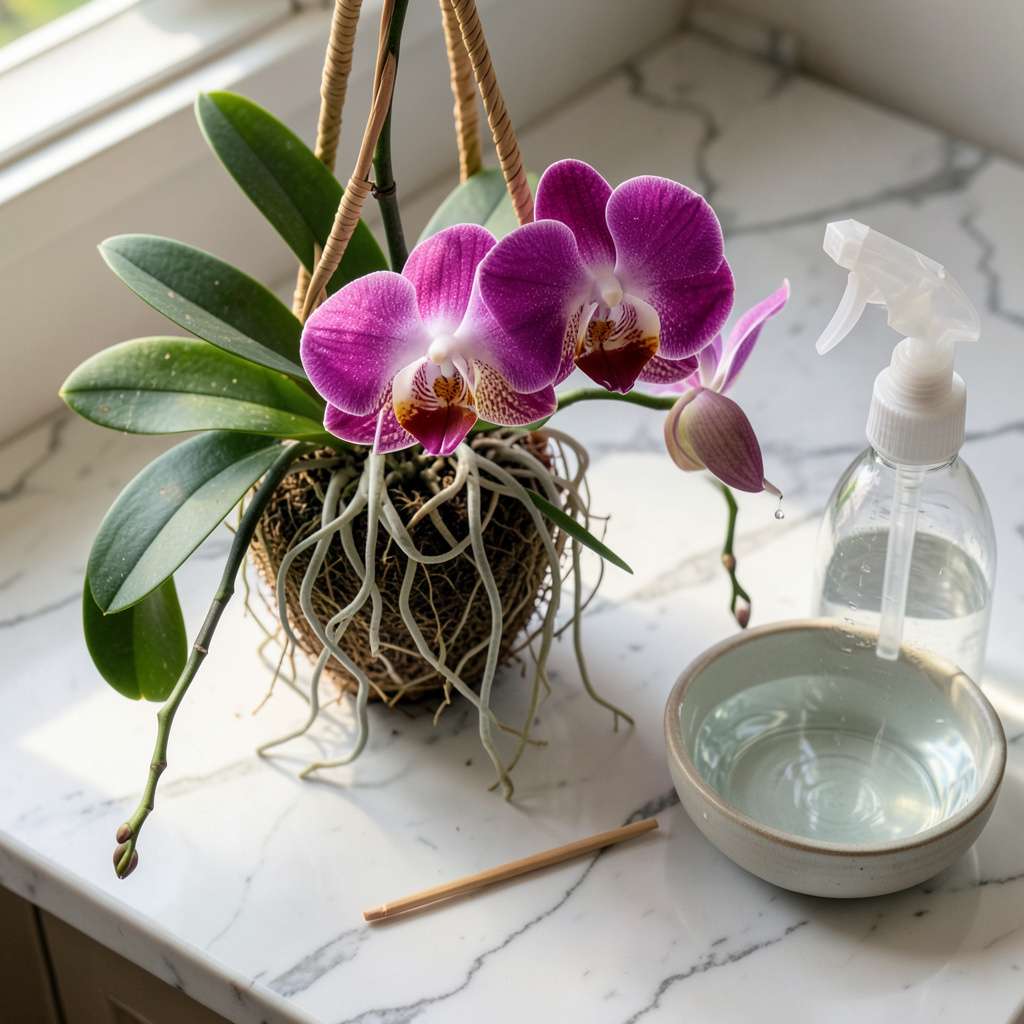
Hanging orchids transform any space with their elegant blooms, but watering them correctly is where most people struggle. After years of trial and error (and a few lost plants), we’ve perfected a method that keeps orchids thriving in their suspended environment. The key lies in understanding their unique needs—different from potted orchids—while avoiding the common pitfalls that lead to root rot or dehydration.
What makes this approach foolproof is its simplicity: no complex tools, just observation and consistency. We’ve found that orchids in hanging baskets dry out faster than those in pots, requiring a different schedule and technique. The method accounts for airflow, humidity, and the plant’s natural growth cycle, ensuring vibrant blooms without the guesswork. It’s about working with the plant’s biology, not against it.
You’ll notice the difference within 2-3 weeks—firm, green roots and new growth emerging from the crown. The blooms last longer, and the plant’s overall health improves dramatically. This isn’t about rigid rules but learning to read your plant’s signals, which becomes intuitive with practice. Even those who’ve struggled with orchids before will see measurable improvement.
The technique adapts to any hanging orchid variety, from Phalaenopsis to Cattleya, and works in different climates with minor adjustments. Whether you’re growing them in a sunny kitchen or a shaded porch, the principles remain the same. Here’s how to implement it effectively, with clear steps to avoid the most common watering mistakes.
📚 In This Guide
This is the no-fail approach I’ve used for years—your orchids will thank you with bigger, longer-lasting blooms.
Before adding a single drop, check the root color and texture. Healthy orchid roots should be silver-green when dry and bright green when properly hydrated. Stick your finger into the growing medium—if it feels even slightly damp 1 inch below the surface, wait another day.
I always lift the pot too. A properly dry orchid feels noticeably lighter than one that still holds moisture. This tactile check prevents the number one killer of hanging orchids: root rot from overwatering. Remember, these plants evolved clinging to trees in tropical downpours—they tolerate drought far better than soggy conditions.
Fill a basin or clean sink with room-temperature water (never cold). The ideal soaking temperature matches your indoor air: 65-75°F. I add a splash of rainwater or distilled water if my tap water runs hard—orchids despise mineral buildup that clogs their specialized root structures.
Remove the orchid from its decorative hanger and place it in the basin. The water level should reach about 3/4 up the pot’s height, never submerging the leaves or pseudobulbs. This partial immersion mimics natural rainfall while preventing crown rot. Let it soak for 10-15 minutes—you’ll see the roots transform from silver to vibrant green as they drink.
After soaking, lift the pot and let it drain completely for at least 5 minutes. I tilt mine at a 45-degree angle against the sink edge to encourage every drop to escape. Watch the water running from the bottom—if it’s still dripping after 10 minutes, your medium has broken down and needs replacing.
While draining, examine the roots. Healthy ones feel firm and plump like cooked spaghetti. Mushy roots (or those that slip off when touched) signal rot—trim these with sterilized scissors immediately. Black or brown roots often indicate fungal issues requiring hydrogen peroxide treatment (1 part 3% peroxide to 4 parts water).
Once fully drained, return the orchid to its hanger. Position it where it receives bright, indirect light—east-facing windowsills work beautifully. I rotate mine quarter-turn weekly to prevent lopsided growth. The first sign you’ve watered correctly? New root tips will emerge within 7-10 days, appearing as bright green nubs.
Check the medium’s surface daily for the first week. It should dry completely within 5-7 days in average home conditions (longer in high humidity). If it stays damp beyond a week, your medium has compacted—repot with fresh orchid-specific bark mix at your next watering cycle. The weight test becomes your best friend: a properly watered orchid feels satisfyingly heavy for about 48 hours post-soak.
After years of trial and error (and killing more orchids than I’d like to admit), I’ve learned these are the make-or-break details that separate thriving plants from sad, wilted ones.
Root Color Clues: In Step 1, don’t just glance at those roots—examine them under good light. The silver-green color when dry is your green light to water, but here’s what nobody tells you: if roots stay grayish even after soaking, your medium has become waterlogged. Healthy roots should plump up visibly during that 10-15 minute soak, like sponges absorbing water. I keep a magnifying glass handy to spot early signs of trouble.
Water Temperature Wisdom: The 65-75°F range in Step 2 isn’t just a suggestion—it’s critical. Cold water shocks orchid roots, causing them to contract instead of absorb. I learned this the hard way after watching my orchids sit in lukewarm water for 15 minutes with zero root color change. Now I use a kitchen thermometer to verify water temp matches my room’s ambient temperature before soaking.
Drainage Discipline: That 5-minute drain time in Step 3 is non-negotiable, but here’s the pro move: after the initial drain, I gently press my palm against the pot’s sides to encourage trapped water to escape. If you’re still seeing drips after 10 minutes, your bark mix has decomposed into peat-like mush. Between us, I’ve started adding a handful of fresh orchid bark to the top layer every few waterings to maintain proper drainage.
Light Rotation Hack: The quarter-turn weekly rotation in Step 4 prevents lopsided growth, but I’ve found an even better system. Mark your pot with a dot where it faces the light source. Each watering day, rotate just until that dot moves to the next “quarter” position. This gradual rotation mimics how orchids grow on tree branches, receiving light from slightly different angles each day.
Most hanging orchids (like Phalaenopsis or Dendrobium) thrive with watering every 7–10 days. Check the roots first—water when they turn silvery-gray or the potting mix feels dry. Overwatering is riskier than underwatering, so when in doubt, wait a day!
While some growers swear by the ice cube method (1–3 cubes per week), it’s not ideal for hanging orchids. Cold water can shock roots, and uneven melting may leave some areas dry. Stick to room-temperature water for even hydration and happier plants.
Yellow leaves often signal overwatering or poor drainage. Hanging orchids need airflow around roots—ensure your pot has slits and water drains fully. If roots look mushy or smell foul, trim damaged areas and repot in fresh bark mix.
Water in the morning to give leaves time to dry before evening. This prevents fungal issues like botrytis. Avoid midday sun (which can scorch wet leaves) or nighttime watering (which traps moisture too long).
Misting alone isn’t enough—it hydrates leaves but barely reaches roots. Use misting between waterings to boost humidity (especially in dry climates), but always pair it with thorough soaking every 1–2 weeks for deep hydration.
Mastering how to water hanging orchids doesn’t have to be complicated! 🌸 With the right technique—soaking roots thoroughly, avoiding waterlogging, and sticking to a consistent schedule—your orchids will reward you with lush, vibrant blooms. Remember, observation is key: adjust based on your plant’s needs and environment.
Now that you’re equipped with the know-how, grab your spray bottle or soaking tray and give your orchids the TLC they deserve. For even healthier plants, explore fertilizing tips or best orchid varieties for hanging baskets next! 🌿✨
