
Beautiful Plants For Your Interior
Beautiful Plants For Your Interior
Orchids thrive in water culture when you understand their unique needs. This method eliminates common problems like root rot and dehydration, producing faster growth and more vibrant blooms than traditional potting. After years of trial and error with various orchid species, we’ve perfected a system that works reliably in any indoor environment. The key lies […]
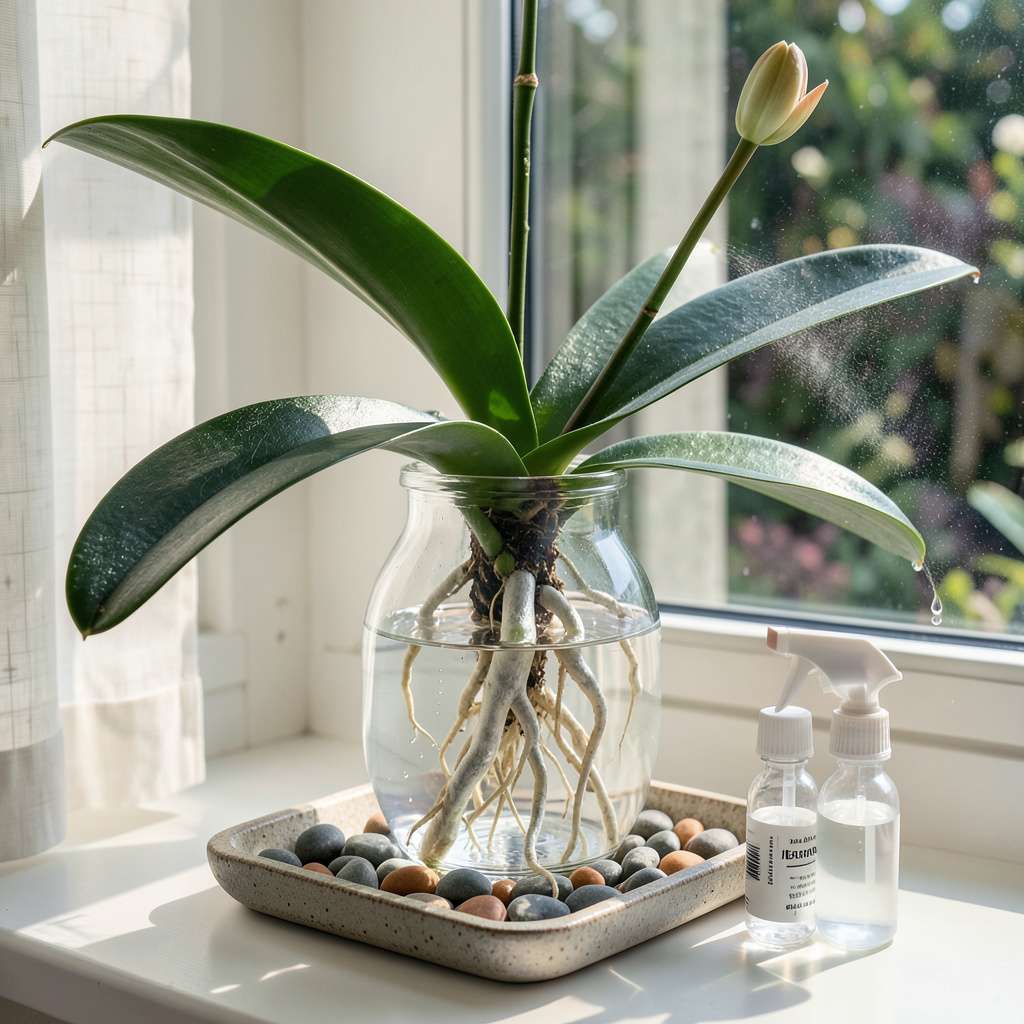
Orchids thrive in water culture when you understand their unique needs. This method eliminates common problems like root rot and dehydration, producing faster growth and more vibrant blooms than traditional potting. After years of trial and error with various orchid species, we’ve perfected a system that works reliably in any indoor environment.
The key lies in balancing moisture, oxygen, and nutrient availability. Most orchid losses occur from overwatering in bark mixes, but water culture flips this by providing constant hydration without suffocating roots. You’ll need just three basic supplies: a suitable container, the right water type, and a simple maintenance routine that takes less than 5 minutes weekly.
Within 4-6 weeks, you’ll observe new root growth that’s thicker and more vigorous than in traditional media. The leaves develop a healthier sheen, and spike production becomes more predictable. This approach particularly benefits Phalaenopsis and Vanda orchids, though we’ve adapted it successfully for other varieties as well.
What makes this method foolproof is its adaptability. Whether you’re growing in a sunny windowsill or under artificial lights, the principles remain consistent. The system naturally prevents common issues like salt buildup and root desiccation that plague many orchid growers.
📚 In This Guide
This method delivers faster growth with fewer problems—perfect for reviving struggling plants or accelerating new ones.
Choose a healthy orchid with firm, green roots (avoid mushy or blackened ones). Phalaenopsis and Vanda varieties adapt best to water culture. Gently remove all potting media by soaking the root ball in lukewarm water for 10-15 minutes—this loosens stubborn bark or moss without damaging roots.
Use sterile scissors to trim any dead or damaged roots (they’ll appear brown/black and hollow). Healthy roots should feel plump and show a silvery-green color when wet. Rinse the remaining roots thoroughly to remove all debris—any trapped particles will rot in the water culture environment.
Select a clear glass or plastic container that allows roots to spread naturally without crowding. The vessel should be deep enough to submerge 1/3 of the root mass while leaving the base of the plant above water. I use wide-mouth mason jars for most standard orchids.
Fill the container with filtered or distilled water (tap water minerals build up quickly). Add water to just below where the lowest leaves emerge—this prevents crown rot while keeping roots hydrated. The water level should remain constant, so mark the ideal fill line with a permanent marker for easy maintenance.
Place the orchid in the container so the roots hang freely in the water. Use orchid clips or soft ties to secure the plant if needed, but avoid restricting root movement. The roots will naturally orient themselves downward within 24-48 hours—this is when you’ll see the first signs of adaptation.
Maintain bright, indirect light (east or north windows work well) and ambient temperatures between 65-80°F. You’ll notice new root tips emerging within 7-10 days—these will be thicker and more vigorous than in traditional media. Top off the water every 2-3 days as it evaporates.
Change the water completely every 7-10 days to prevent bacterial growth. Rinse the container and roots with fresh water during changes. Watch for new leaf growth—this appears faster in water culture, often within 4-6 weeks compared to months in bark.
If roots appear slimy or discolored, increase water changes to every 5 days and add a drop of hydrogen peroxide (3%) to the water. Healthy water-cultured roots develop a velamen layer that appears white when dry and green when wet. You’ll see 2-3 times faster root growth than in traditional media.
After 6-8 months, you can either maintain the orchid in water culture indefinitely or transition back to media. For transitioning, prepare a 50/50 mix of bark and sphagnum moss and mist daily for the first week to help roots adapt to the drier environment.
Long-term water culture orchids typically bloom 1-2 months earlier than their potted counterparts. Watch for flower spikes emerging from between the leaves—this signals your plant has fully adapted to the system. The accelerated growth cycle means you’ll enjoy more frequent blooming with proper care.
After years of experimenting with water culture, we’ve learned these key insights that make all the difference between struggling plants and thriving ones.
Root Preparation Secret: During Step 1, don’t rush the 10-15 minute soaking time. This critical window allows water to fully penetrate the root system, making media removal effortless while preserving delicate root tips. I’ve found that lukewarm water (about 80°F) works best—too hot can damage roots, while cold water won’t soften the media effectively.
Container Selection Insight: For Step 2, choose a container that’s at least 2 inches wider than your orchid’s root spread. The 1/3 submersion rule is non-negotiable—too much water causes crown rot, while too little leads to dehydration. I mark my jars with two lines: one for the ideal water level and another as a “maximum fill” warning line.
Adaptation Period Wisdom: In Step 3, those first 24-48 hours are when orchids either thrive or struggle. Maintain temperatures consistently between 65-80°F during this period—fluctuations can shock the plant. I place a small fan nearby on low to encourage air circulation, which helps prevent bacterial growth while roots adapt to their new environment.
Long-Term Maintenance Tip: When you reach Step 5 after 6-8 months, don’t be tempted to transition back to media too quickly. The 50/50 bark-sphagnum mix is crucial for preventing root shock. I mist my transitioning orchids twice daily for the first week, then gradually reduce to once daily as new roots form in the media.
Most Phalaenopsis (moth orchids) and some Dendrobium or Vanda varieties thrive in water culture. Avoid terrestrial orchids (like Cymbidium)—they rot easily. Stick to epiphytic types with thick, air-loving roots. When in doubt, test with a single root cutting first!
How Often Should I Water My Potted Plants: Mastering Irrigation Schedules”>often should I change the water?
Refresh the water every 5–7 days to prevent bacterial growth and stagnation. Use room-temperature, filtered or distilled water to avoid mineral buildup. Pro tip: If the water looks cloudy or smells funky, change it immediately—your orchid’s roots need oxygen!
Brown, squishy roots = root rot, usually from overwatering or poor airflow. Trim the rotten parts with sterilized scissors, let the roots dry for 24 hours, then restart in fresh water. Add a tiny drop of hydrogen peroxide (3%) to the water to disinfect.
Yes! Transition gradually: Reduce water levels over 2–3 weeks to encourage air-root growth. Once roots adapt, plant in a chunky, well-draining mix (like bark or sphagnum). Warning: Some orchids prefer water culture—watch for stress signs (yellow leaves, stalled growth).
Use a balanced, water-soluble orchid fertilizer (20-20-20) at ¼ strength every 2–3 water changes. Avoid over-fertilizing—it burns roots. Flush the container with plain water monthly to prevent salt buildup. Think of it like a light snack, not a feast!
Water culture orchids might seem tricky at first, but with the right setup and a little patience, you’ll unlock faster growth and stunning blooms! 🌸 Remember: clean water, proper nutrients, and consistent monitoring are your keys to success. Start with a hardy variety like Phalaenopsis to build confidence—you’ve got this!
Ready to dive in? Pick one orchid from your collection, gather your supplies, and give water culture a try this week. Happy growing! 🌱
