
Beautiful Plants For Your Interior
Beautiful Plants For Your Interior
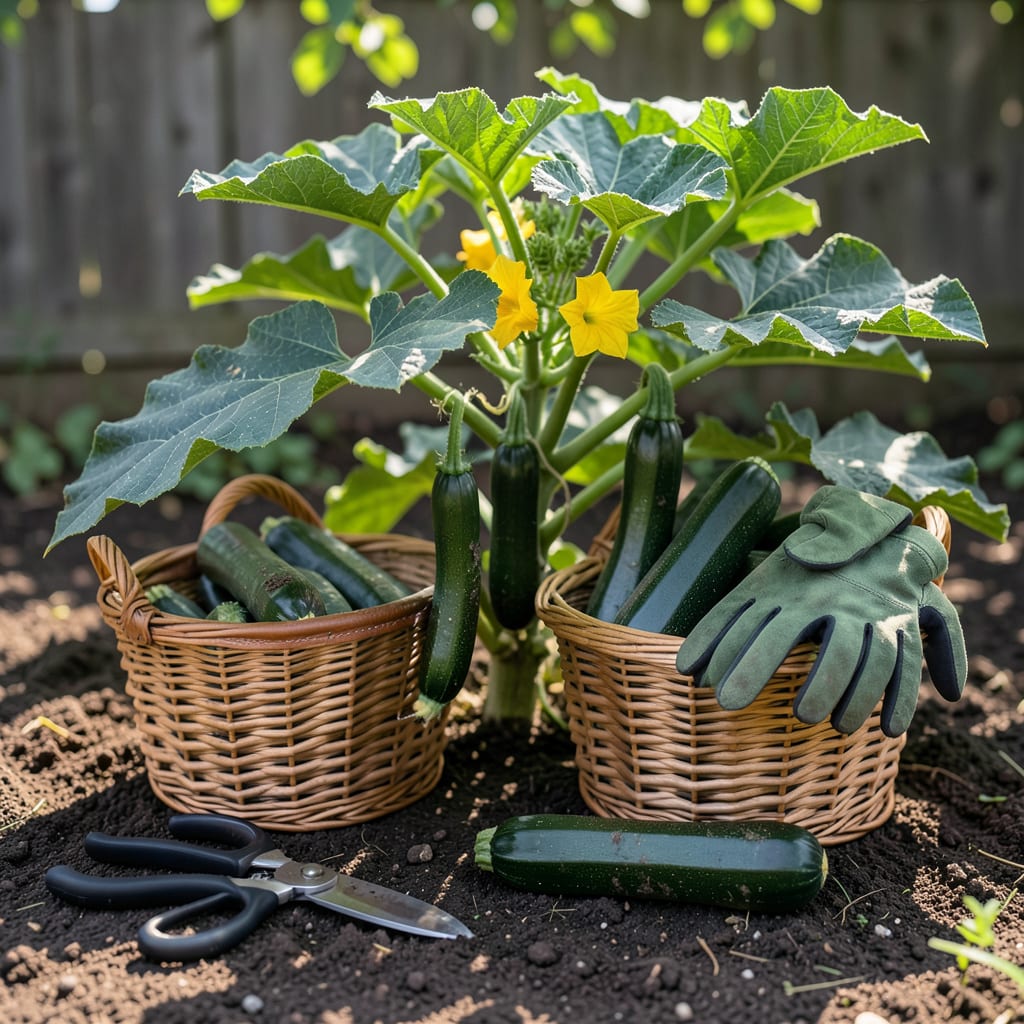
There’s nothing worse than watching your 🥒 zucchini transform from tender garden treasures into oversized, seedy baseball bats overnight. That perfect window between “not quite ready” and “whoops, too late” is shorter than you think—sometimes just 24 hours in peak season.
I’ve lost count of how many gardeners I’ve seen struggle with this exact timing dilemma. The good news? Your zucchini plants actually give you five unmistakable signals when they’re at peak flavor and texture. Let me show you exactly what to look for—so you’ll never second-guess your harvest again.


When your zucchini plants start producing, timing becomes everything. That perfect 6-8 inch window is where the magic happens—too small and you’re sacrificing yield, too large and you’re chewing on seeds. I’ve found that morning checks work best because that’s when plants are most hydrated.
The first thing I look for is uniform color. A ready zucchini should have that deep, consistent green hue without any pale patches. Think of it like checking a ripe avocado—you want that rich, even tone that says “I’m at my peak.”
Let’s talk about that thumbnail test—it’s my favorite trick. Gently press your nail into the skin. If it leaves a tiny indentation that springs back, you’re golden. No mark means it’s underripe; a deep mark means it’s overripe. This works because zucchini skin softens slightly at perfect ripeness.
The blossom end tells a surprising story. When zucchini are ready, this area should feel slightly pliable—not hard as a rock (too early) or squishy (too late). I like to compare it to the heel of a fresh loaf of bread—just the right amount of give when you squeeze gently.
Here’s a pro tip: Check daily during peak season. Zucchini can grow 1-2 inches per day in warm weather! I set a phone reminder for my morning garden walk because I’ve had zucchini go from perfect to baseball-bat-sized in just 24 hours. That daily check prevents heartbreak.
Color variations matter more than you think. While most zucchini are dark green, some varieties like ‘Golden Zucchini’ should be bright yellow when ripe. Always check your seed packet for variety-specific cues. I keep mine in a garden journal for quick reference during harvest season.
The weight test is my secret weapon. A ripe zucchini should feel surprisingly heavy for its size. When I pick one up and think “Wow, that’s solid,” I know it’s packed with moisture and ready to harvest. Underripe ones feel light and hollow, while overripe ones feel dense but seedy.
Remember that first harvest sets the tone. Picking that first zucchini at the right time encourages your plant to produce more. I’ve seen plants double their output when that initial harvest is timed perfectly. It’s like telling your plant, “Great job! Now give me more of these perfect ones!”
Finally, trust your instincts. After checking a few zucchini, you’ll develop that gardener’s intuition for when they’re just right. I still get excited when I find that perfect specimen—it’s like discovering hidden treasure in your own backyard. Now go check your plants—I bet you’ve got some ready right now!
🪴Timing your zucchini harvest is like walking a tightrope—miss the mark either way and you’ll pay the price. I’ve seen gardeners lose half their potential yield just by waiting a day too long. The difference between perfect and problematic can be as little as 12 hours in warm weather.
When you harvest too early, you’re robbing yourself of both quantity and quality. Those tiny zucchini might look cute, but they lack the full flavor development and substantial texture that makes zucchini so versatile. I once picked a batch at just 4 inches and ended up with enough for one sad stir-fry.
The overripe zucchini problem is even worse. Those baseball-bat sized monsters aren’t just unappetizing—they actually steal energy from your plant that could be producing new fruit. I once left a zucchini on the vine for 5 days too long and it grew to 18 inches, completely stalling new production.
Here’s what happens inside an overripe zucchini: the seeds become large and hard, the flesh turns fibrous, and the flavor develops bitter compounds. That perfect tender-crisp texture you want? Gone. The skin also gets so tough you’ll need a chef’s knife to cut through it.
There is one silver lining: salvaging overripe zucchini. While they’re no good fresh, you can scoop out the seeds and use the flesh for zucchini bread or compost them to return nutrients to your soil. I keep a “zucchini rescue” bin in my garden shed for exactly this purpose.
For underripe zucchini, try this trick: let them sit on your counter for 24-48 hours. They won’t grow larger but may develop slightly better flavor. I’ve had success with this method when I accidentally picked a batch too small—just don’t expect miracles.
The real secret? Daily monitoring during peak season. Set a reminder to check your plants every morning. I use my coffee time to do a quick zucchini inspection—it takes less than 5 minutes and saves me from harvest disasters all season long. 🌿
Getting that first perfect zucchini is exciting, but the real magic happens when you turn your plants into production powerhouses. I’ve found that how you harvest makes all the difference between a one-time harvest and weeks of steady production. The key? Treat each picking like you’re training your plant for a marathon.
Your harvesting technique matters more than you think. Always use clean, sharp pruners or a knife—never just twist and pull. I make a clean cut about 1 inch above the fruit to avoid damaging the stem. This simple step prevents bacterial entry points that could shorten your plant’s productive life.
Morning harvests yield the crispiest zucchini because plants are fully hydrated after cool nights. I carry a small bucket of cool water to immediately submerge fresh-picked zucchini—this preserves texture for days.
The 2-day rule changed my zucchini game completely. During peak season, I harvest every 24-48 hours without fail. Zucchini grow so fast that missing just one check can mean going from perfect to oversized. I set phone alarms labeled “Zucchini Patrol” to keep me on track during busy weeks.
Here’s my secret weapon for extended production: after harvesting, I do a quick fertilizer boost. A light application of balanced 10-10-10 around the base (not touching stems) gives plants the energy to push out new fruit. I’ve seen this add 2-3 weeks to my harvest season when combined with consistent watering.
Don’t overlook the leaf management trick. When plants get bushy, I selectively prune older leaves to improve air circulation. This isn’t just about disease prevention—it lets sunlight reach developing fruit and makes spotting ready zucchini easier. Just never remove more than 1/3 of foliage at once, or you’ll stress the plant.
🌿Check your zucchini plants daily during warm weather. They can grow 1-2 inches per day in ideal conditions! Morning inspections work best when plants are fully hydrated. Set a phone reminder if needed.
Use clean, sharp pruners or a knife. Cut about 1 inch above the fruit to avoid stem damage. Never twist and pull—this can create entry points for disease. Morning harvests yield the crispiest results.
Scoop out the large seeds and use the flesh for zucchini bread or muffins. The flavor is still good, though texture may be softer. You can also compost oversized ones to return nutrients to your soil.
Check your seed packet for variety-specific cues. For example, ‘Golden Zucchini’ should be bright yellow when ripe, not green. Always note the expected mature size—some varieties stay smaller than the standard 6-8 inches.
Yes! Regular harvesting signals the plant to produce more. I’ve seen plants double their output when harvested consistently. Leave oversized fruit on the vine too long, and it will actually reduce new growth.
