
Beautiful Plants For Your Interior
Beautiful Plants For Your Interior
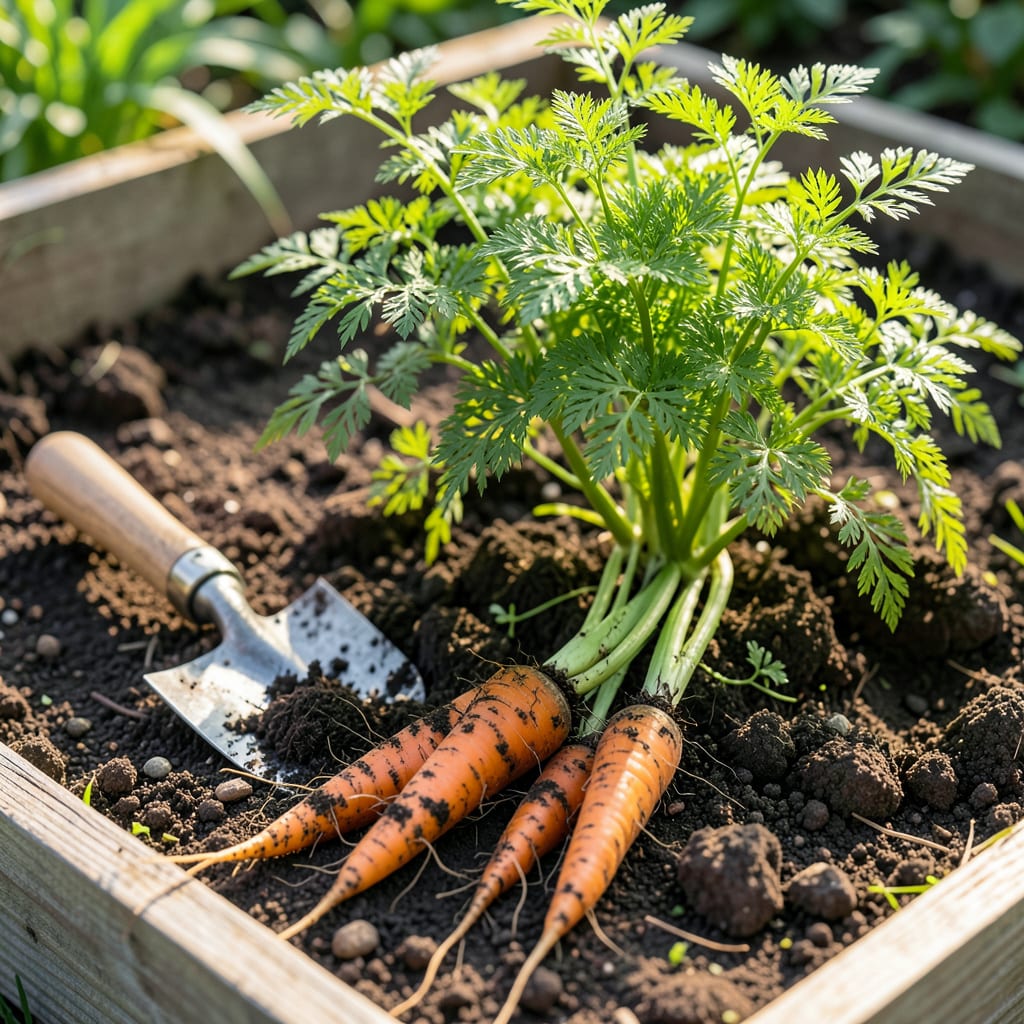
Knowing the perfect moment to pull 🥕 Carrot from the soil can mean the difference between sweet, crisp roots and tough, bitter disappointment. Timing is everything.
I’ll show you the key visual signs to look for, from color intensity to foliage health. Let’s make sure your harvest is a success.


I always check for shoulder visibility first—when the top of the carrot crown peeks above the soil line, it’s a clear sign. The color should be a vibrant orange, not pale or dull.
Another giveaway is the foliage health. Healthy, lush tops mean the roots are still growing, but when the leaves start yellowing, it’s time to pull them up.
| Sign | Description |
|---|---|
| Shoulder Diameter | Reaches 0.75-1 inch wide |
| Color Intensity | Deep orange hue, not pale |
| Foliage Health | Leaves begin yellowing at base |
| Exposed Crown | 1-2 inches visible above soil |
The exposed crown size is a great indicator. If you see 1-2 inches of the carrot’s top poking out, it’s likely mature. Gently brush away soil to check without disturbing the roots.
For baby carrots, I harvest when they’re about 0.5 inches in diameter. They’re tender and sweet at this stage, perfect for fresh eating. Just be sure the color is bright and even.
If the carrots feel firm when gently squeezed through the soil, they’re ready. Softness usually means they’re either underripe or overripe, so aim for that Goldilocks firmness.
I’ve found that maincrop varieties like ‘Nantes’ or ‘Danvers’ often take 70-80 days to reach peak readiness. Early types, such as ‘Paris Market’, may be ready in as few as 60 days.
Don’t forget to consider growing conditions. Cool weather can slow maturity, while warm soil speeds it up. Always cross-check visual signs with the expected days to harvest for your variety.
Finally, if you’re unsure, pull one test carrot to check its size and flavor. If it meets your expectations, the rest of the crop is likely ready too. This simple trick saves me from harvesting too early every time.
☀️I’ve learned that carrot varieties have different harvest windows. Early types like ‘Paris Market’ mature in 60-70 days, while maincrop varieties such as ‘Nantes’ need 70-80 days.
Storage carrots, like ‘Danvers’, often take 80-90 days to reach full size. Always check your seed packet for the expected days to maturity as a starting point.
| Variety | Days to Harvest | Best For |
|---|---|---|
| Early | 60-70 days | Fresh eating |
| Maincrop | 70-80 days | General use |
| Storage | 80-90 days | Winter storage |
Growing conditions play a huge role too. In cool climates, carrots may take 10-14 days longer to mature. Warm soil speeds growth, but too much heat can cause bitterness.
If you planted in loose, well-drained soil, roots grow faster and straighter. Heavy or rocky soil slows progress and may cause forked carrots, so always prep your beds well.
I also watch the planting date. Spring-sown carrots often mature faster than fall-planted ones due to warming temperatures. Adjust your expectations based on when you sowed.
For the most accurate timing, combine the expected days to harvest with the visual signs we discussed earlier. When both align, you’ll know it’s time to pull those sweet, crisp roots from the ground. ☀️
I’ve seen many gardeners make the mistake of harvesting too early. Pulling carrots before they reach 0.75-1 inch in diameter often results in underdeveloped roots that lack sweetness and crunch.
Another common error is waiting too long. Over-mature carrots become woody and bitter, especially in hot weather. Once the shoulders exceed 1.5 inches, they may start to crack or lose flavor.
⚠️ Warning: Avoid twisting or yanking carrots—this can break the roots. Always loosen soil first, then gently pull by the foliage.
Improper harvesting techniques can damage the crop. I always use a garden fork to gently lift the soil around the carrots before pulling. This prevents snapped roots and preserves the plant’s integrity.
Don’t overlook soil moisture either. Harvesting when the soil is bone dry makes pulling difficult and increases the risk of breakage. I water the bed the day before to soften the earth.
Finally, avoid leaving carrots in the ground after they’ve matured if the weather turns cold and wet. This can lead to rot or pest damage. If frost is forecast, I harvest all remaining carrots immediately. ☀️
Most varieties are ready when they reach 0.75-1 inch in diameter. Baby carrots can be pulled at 0.5 inches for tender, sweet roots. Always check the seed packet for variety-specific sizes.
Pale color means they’re not fully mature. Wait until they develop a deep orange hue and the shoulders are visible above soil. Cool weather can slow color development, so be patient.
Light frost won’t harm mature carrots, but hard frost can damage them. Harvest before temperatures drop below 28°F or mulch heavily to protect them. Pull any overmature ones immediately.
Loosen the soil around each carrot with a garden fork first. Gently grasp the foliage and pull straight up. Avoid yanking—this often snaps the roots.
