
Beautiful Plants For Your Interior
Beautiful Plants For Your Interior
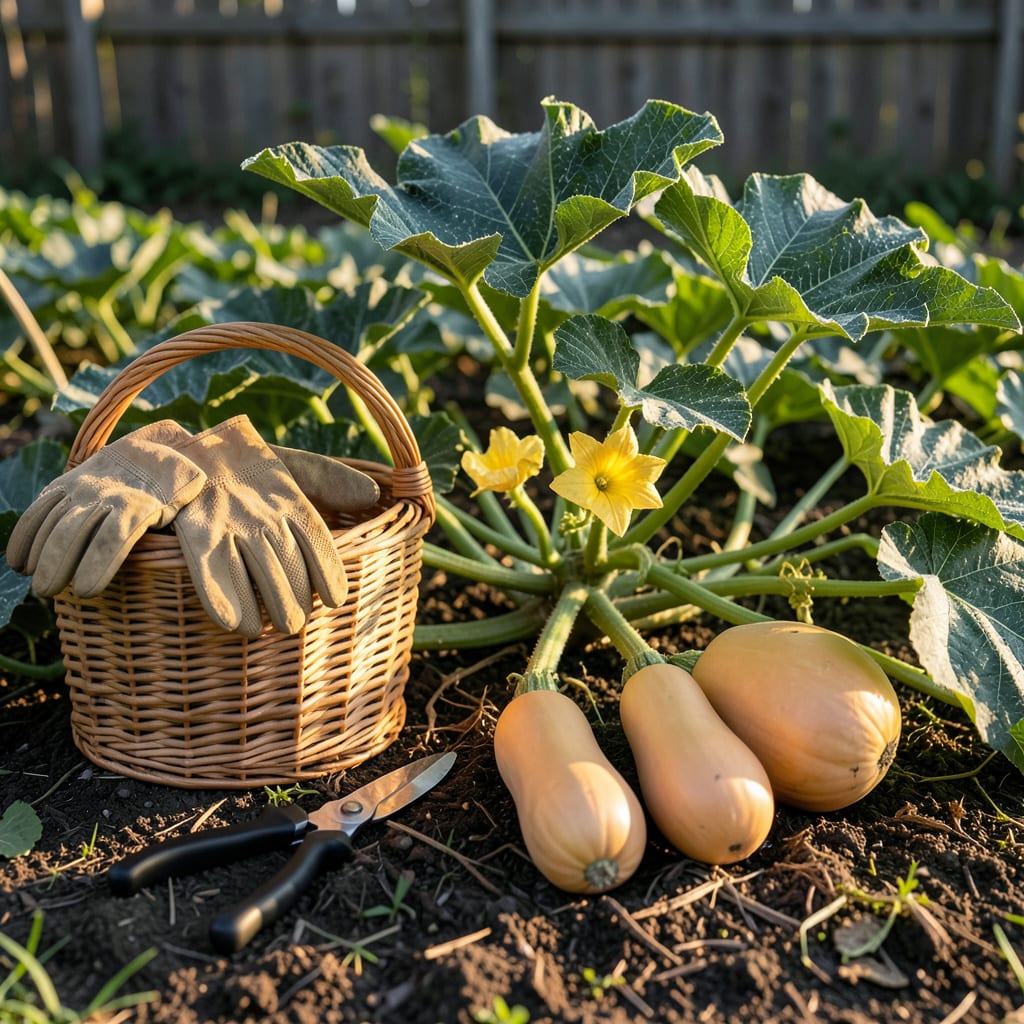
There’s nothing worse than cutting into a butternut squash only to find it’s either rock-hard and tasteless or mushy and overripe. Timing your harvest is everything—pick too soon, and you’ll miss out on that sweet, nutty flavor; wait too long, and you risk spoilage before you even get it to the kitchen.
After years of trial and error in my own garden, I’ve narrowed it down to five foolproof signs that take the guesswork out of the process. Whether you’re a first-time grower or a seasoned gardener, these visual and tactile cues will ensure you harvest your squash at its peak—every single time.


Knowing when to harvest your butternut squash can feel like solving a puzzle, but the plant actually gives you clear signals. The first thing I check is the skin color—it should transition from pale green to a deep, uniform tan or beige. This color change happens as the squash matures and sugars develop inside.
Next, run your fingers over the rind texture. A ripe butternut squash will feel hard and smooth, almost like the shell of a pumpkin. If your fingernail leaves a mark when you press gently, it needs more time. This thumbnail test is my go-to for confirming readiness without damaging the fruit.
| Stage | Skin Color | Stem Condition | Texture |
|---|---|---|---|
| Unripe | Pale green | Soft, green | Easily dented |
| Perfectly Ripe | Deep tan/beige | Dry, brown, corky | Hard, smooth |
| Overripe | Dull, orange-tinged | Brittle, cracked | Soft spots |
The stem tells another important story. When your squash is ready, the stem will turn from green to brown and become dry and corky. If it’s still flexible or moist, give it more time. I always check where the stem meets the vine—this junction should look slightly shriveled when fully mature.
Don’t overlook the vines and leaves either. As butternut squash ripens, the vine nearest the fruit often starts to die back, turning brown and crispy. This is nature’s way of redirecting energy from growth to maturation. If the vine is still lush and green, your squash likely needs more time.
Size matters too—most butternut varieties reach 8-12 inches long and weigh 2-5 pounds when mature. Check your seed packet for specifics, but generally, if it’s stopped growing and feels heavy for its size, it’s ready. I like to compare mine to a standard football for quick reference.
Finally, give it the thump test. Tap the squash lightly—if it sounds hollow, that’s a good sign of maturity. Unripe squash will sound dull and solid. This works best for larger specimens where the cavity has fully developed.
Remember that days to maturity (usually 80-100 days from planting) is just a guideline. Weather, soil conditions, and variety all play roles. In my experience, late summer heat waves can speed up ripening, while cool spells may delay it.
If you’re growing in a short-season climate, watch the forecast. I always aim to harvest before the first frost, as cold temperatures can damage the fruit. When in doubt, harvest slightly early and let it cure indoors rather than risking frost exposure.
Once picked, handle your squash carefully to avoid bruising. I use clean pruners to cut the stem, leaving about 1-2 inches attached. This helps prevent rot during storage. Never carry squash by the stem—it can break off and create an entry point for bacteria.
For the sweetest flavor and longest storage, I cure my butternut squash in a warm (80-85°F), dry place for 10-14 days. This hardens the skin and concentrates the sugars. After curing, store in a cool, dark place where they’ll keep for months.
🪴Timing your harvest wrong can turn your butternut squash from a garden triumph into a disappointment. Pick too soon, and you’ll end up with squash that’s starchy instead of sweet, with underdeveloped seeds and thin skin that won’t store well. I’ve made this mistake before—trust me, it’s not worth the early harvest.
On the flip side, leaving squash on the vine too long leads to overripe fruit with stringy texture and oversized seeds. The skin may develop soft spots or cracks, making it prone to rot during storage. In my garden, I’ve noticed overripe squash often attracts pests like squash bugs looking for an easy meal.
If you accidentally harvest early, don’t panic. I’ve had success curing underripe squash in a warm, dark place for 10-14 days. This won’t fully develop the flavor, but it can improve the texture and extend storage life slightly. Just don’t expect the same rich taste as properly matured squash.
For overripe squash, your best bet is to use it immediately. The flesh might be perfect for soups or purees where texture matters less. I once turned an overripe harvest into delicious roasted squash cubes—just cut away any soft spots first.
Watch for frost warnings in your area. I learned the hard way that even a light frost can damage squash left on the vine. If frost threatens and your squash isn’t fully ripe, harvest anyway and cure indoors. It’s better than losing your entire crop to cold damage.
The stem condition often reveals harvest timing issues. If you pick too early, the stem may still be green and moist. Too late, and it might be brittle and cracked. I always check the stem first—it’s the most reliable indicator of true maturity.
Remember that variety matters. Some butternut squash cultivars mature faster than others. Check your seed packet for the expected days to maturity (typically 80-100 days) and adjust your expectations accordingly. In my garden, I keep a planting calendar to track these dates.
🪴When I’m checking my butternut squash for ripeness, I always start with the thumbnail test. Gently press your fingernail into the skin—if it leaves a mark, the squash needs more time. A mature squash will have skin so hard your nail won’t penetrate it. This simple test saves me from harvesting too early every season.
Another trick I swear by is the thump test. Tap the squash lightly with your knuckles—ripe ones sound hollow, while unripe ones make a dull thud. It takes a bit of practice to recognize the difference, but once you hear that hollow echo, you’ll know exactly what to listen for next time.
The stem inspection is my favorite foolproof method. A ripe butternut squash will have a stem that’s completely brown, dry, and corky to the touch. If there’s any green color or flexibility, wait a few more days. I’ve found this is the most reliable indicator, especially when combined with the skin color check.
For the most accurate results, I combine all three tests: skin hardness, hollow sound, and stem condition. When all three signs point to ripeness, I know it’s time to harvest. This triple-check system has never failed me, even with tricky weather conditions that can affect maturation rates.
After harvesting, I always cure my squash to extend storage life. Place them in a warm (80-85°F), dry location for 10-14 days. This process hardens the skin and concentrates the sugars. I use a spare room with good airflow—never the refrigerator, as cold temperatures can damage the flesh.
Remember that proper handling prevents bruising. I always carry squash with two hands, supporting the bottom. Never use the stem as a handle—it can break off and create an entry point for bacteria. With these techniques, my butternut squash regularly stores for 3-6 months without issue.
🪴Use the squash immediately, as the broken stem creates an entry point for bacteria. Store it in the fridge and cook within a week. For future harvests, cut stems with clean pruners, leaving 1-2 inches attached to prevent this issue.
Technically yes, but it won’t be sweet or flavorful. Underripe squash has starchy, bland flesh and thin skin that spoils quickly. For best results, let it cure in a warm spot for 10-14 days to improve texture slightly.
Properly cured butternut squash keeps for 2-3 months in a cool, dry place (50-55°F). Check weekly for soft spots. Once cut, refrigerate and use within 5-7 days. Whole squash should never be refrigerated before cutting.
Excess moisture or poor airflow often causes premature rot. Ensure vines have good spacing and water at the base, not the leaves. Harvest immediately if frost threatens, as cold damage accelerates decay. Remove any squash showing soft spots to protect others.
Size alone isn’t reliable—always combine it with other signs. A mature butternut should be 8-12 inches long AND have hard skin, dry stem, and deep color. Some varieties stay small but develop full flavor. When in doubt, perform the thumbnail test for confirmation.
